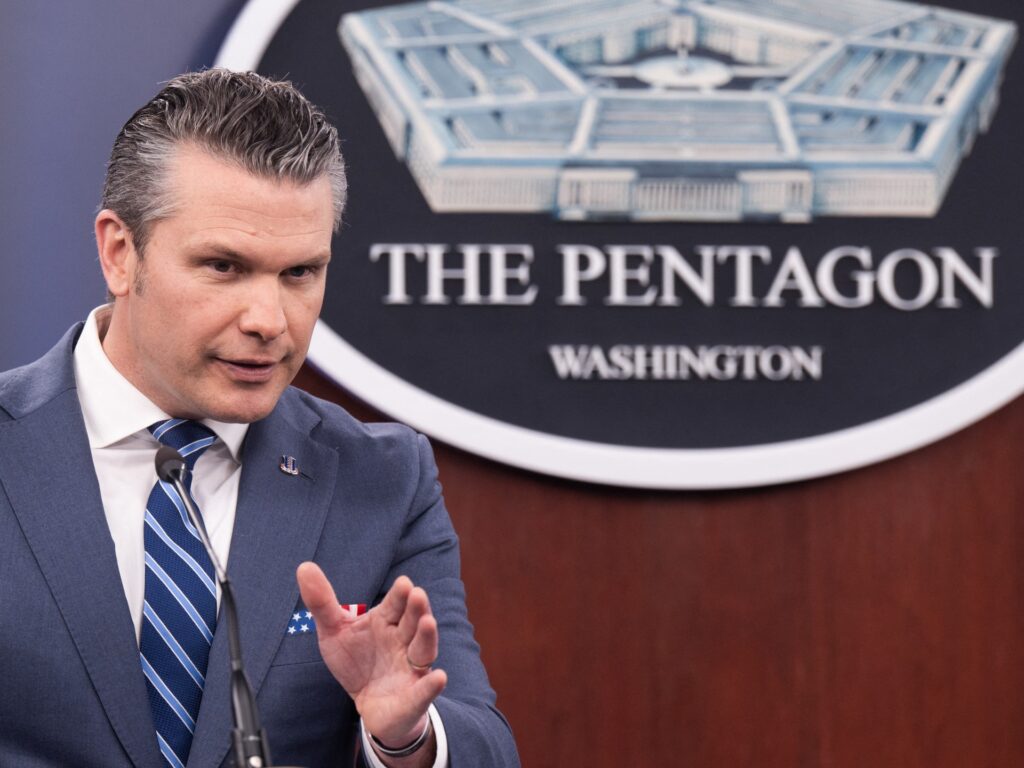
In a significant shift in policy, the US military chief has announced that the flu vaccine will no longer be mandatory for soldiers. This decision is grounded in the principle of ‘medical autonomy’, reflecting a new approach towards personal health decisions within the armed forces.
Pete Hegseth, the military chief, emphasized that the change respects individual rights and freedoms, allowing soldiers to make their own informed choices regarding vaccinations. He criticized the previous mandate as ‘overreaching’, suggesting that it imposed unnecessary constraints on service members.
The flu vaccine mandate had been a longstanding policy aimed at protecting soldiers from seasonal influenza outbreaks, which can impact readiness and operational capability. However, the shift indicates a broader reevaluation of how health policies are enforced in the military context.
Supporters of medical autonomy argue that personal choice in health matters fosters trust and morale among troops. Critics, however, caution that vaccines are vital in maintaining force health and preventing outbreaks that could jeopardize missions.
This move aligns with a growing trend in various sectors prioritizing individual rights in medical decisions. The military’s decision signals a balance between collective safety and personal freedom, a topic of ongoing debate.
Despite the policy change, military health officials continue to endorse vaccination as a key preventive measure. Soldiers are encouraged, but not compelled, to receive the flu vaccine based on their personal assessment and consultation with medical professionals.
The implications of this decision are being closely watched by public health experts and military leadership, as it may influence future policies on other vaccines and medical treatments within the armed forces.
As influenza remains a recurrent threat, the military’s approach will likely focus on education and voluntary compliance to mitigate health risks while respecting individual choice.
In conclusion, the announcement by Pete Hegseth heralds a new era in military health policy, where the principle of medical autonomy takes precedence, marking a clear departure from mandatory health mandates of the past.