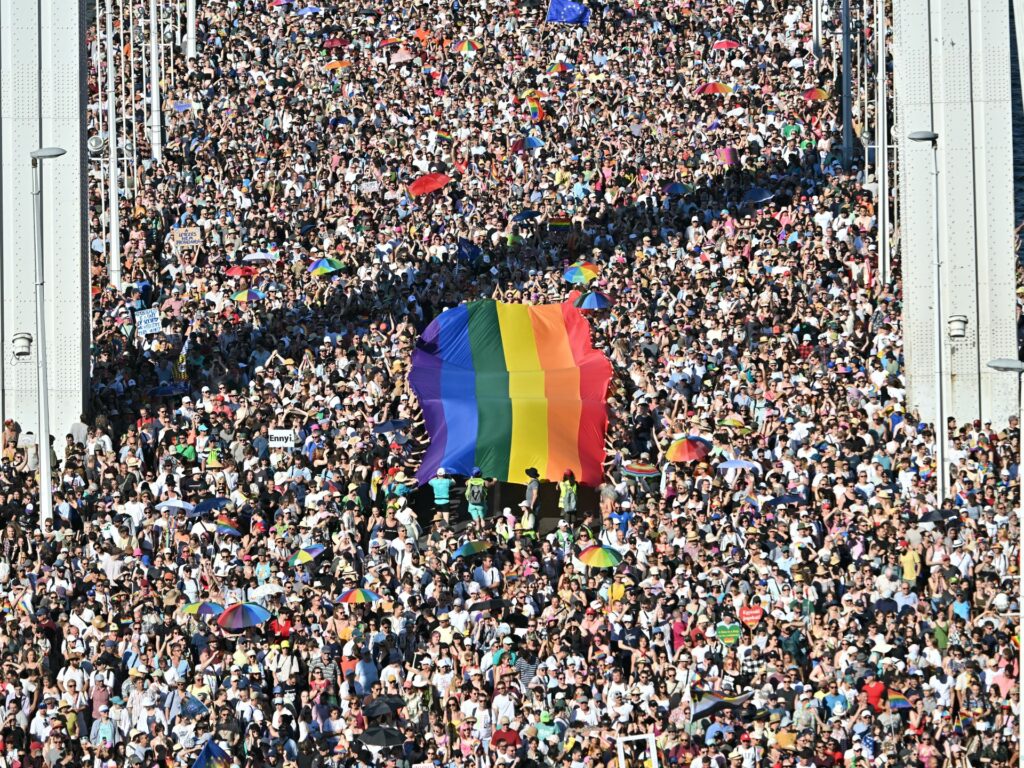
The European Court of Justice (ECJ) has delivered a landmark ruling declaring that Hungary’s controversial LGBTQ law violates fundamental human rights and breaches several EU laws. This decision marks a significant rebuke of the Hungarian government, led by Prime Minister Viktor Orban, which introduced legislation widely criticized for discriminating against LGBTQ individuals.
Hungary’s law, passed in 2021, restricts the depiction of LGBTQ topics and issues in educational materials, media, and advertisements accessible to minors. Supporters of the legislation argued it was designed to protect children, but critics contended that it effectively stigmatizes LGBTQ people and infringes on freedom of expression and equality principles enshrined in EU law.
The ECJ ruling found that the Hungarian law violates the EU Charter of Fundamental Rights by discriminating against LGBTQ persons and limiting their access to information and the protection of their dignity. The Court highlighted that the legislation infringes on the rights to freedom of expression, non-discrimination, and the freedom to receive and impart information.
In its judgment, the Court noted a series of breaches across multiple chapters of EU legislation, emphasizing that member states must comply with shared values, including respect for human dignity, equality, and the rule of law. Hungary’s law contradicts these principles, the Court stated.
The ruling requires Hungary to amend or repeal the offensive parts of the legislation to ensure its legal framework aligns with EU standards protecting individual rights and non-discrimination.
The case was brought to the ECJ by the European Commission, the executive arm of the EU, which had launched legal action against Hungary earlier, citing violations of EU treaties and fundamental rights. The ECJ’s judgment bolsters the Commission’s position and highlights the EU’s commitment to uphold human rights despite resistance from some member countries.
Prime Minister Viktor Orban’s government has consistently argued that the law protects children and traditional values, rejecting accusations of discrimination. However, this EU ruling places pressure on Hungary and sends a broader message about the limits of national sovereignty when national laws clash with fundamental EU human rights standards.
Human rights organizations and LGBTQ advocacy groups across Europe have welcomed the Court’s decision, viewing it as a critical step towards defending minority rights and ensuring that discriminatory laws face judicial review at the highest levels.
The ruling underscores ongoing tensions between the European Union’s legal framework and member states that pursue nationalist and conservative policies, particularly regarding LGBTQ rights and freedom of expression.
As a result of this decision, Hungary may face increased scrutiny and legal challenges if attempts are made to enforce the law unchanged. The ECJ ruling also sets a precedent that could influence similar cases in other countries regarding minority rights and anti-LGBTQ legislation.
Overall, the European Court of Justice’s condemnation of Hungary’s LGBTQ law signals the EU’s firm stance on protecting human rights and equality for all citizens, reaffirming its legal protections against discriminatory policies within member states.