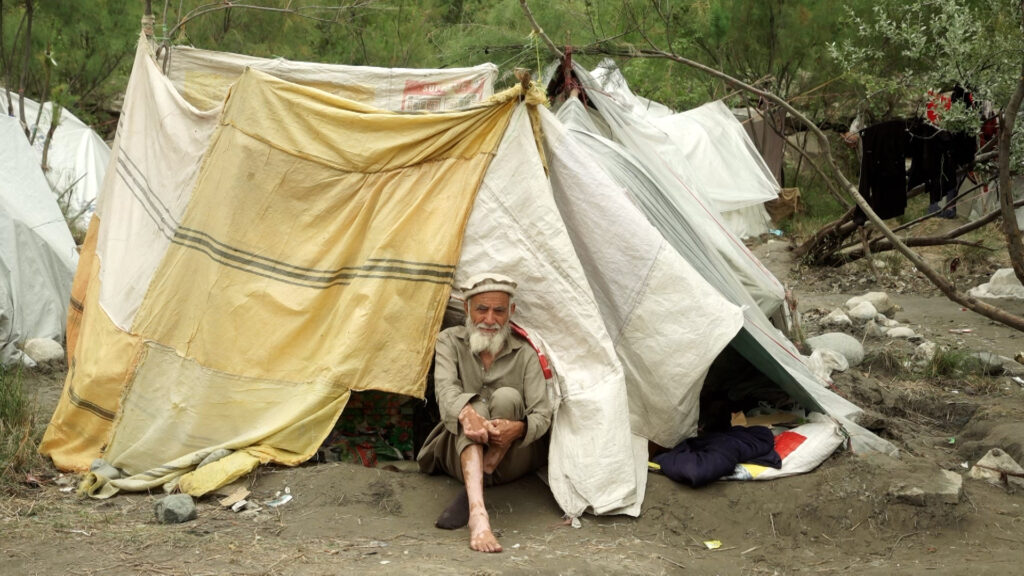
Recent fighting along the Pakistan-Afghanistan border has resulted in the displacement of tens of thousands of Afghans. This ongoing conflict has forced many families to flee their homes, seeking refuge in makeshift tent camps near the border region.
The escalation of violence has created a humanitarian crisis, with displaced Afghans facing harsh living conditions. In these tent camps, residents endure overcrowding, a lack of clean water, inadequate sanitation facilities, and limited access to medical care. Many of the displaced include vulnerable groups such as women, children, and the elderly, all struggling to meet their basic needs.
Aid organizations have been working to provide relief, but the scale of displacement has stretched resources thin. The camps are often located in remote areas, complicating the delivery of food, water, and emergency medical services. Additionally, the cooler weather has heightened the risk of illness among camp inhabitants.
Local authorities and international agencies have appealed for increased humanitarian aid and a peaceful resolution to the conflict to prevent further displacement. Despite the challenges, community members in the camps have shown resilience, organizing support networks to assist those most in need.
The conflict’s root causes are complex, involving long-standing political tensions and cross-border security concerns. Efforts to address these issues continue, but the immediate priority remains the safety and well-being of displaced Afghans.
As the situation develops, there is an urgent need for sustained international attention and support to improve living conditions in the camps and to facilitate durable solutions for those displaced by the conflict. The plight of these families highlights the broader regional instability and the human cost of ongoing armed confrontations.