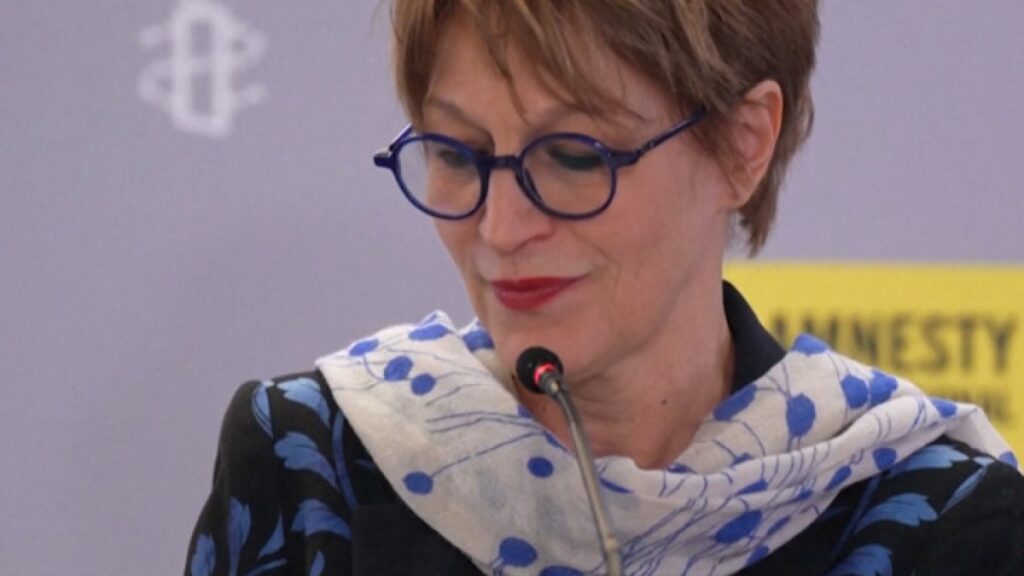
Amnesty International’s Secretary General has issued a strong condemnation of what he describes as a ‘predatory world order’ dominated by the United States and Israel, with Russia also implicated in systemic abuses. The statement highlights how these powerful nations have waged wars on civilians with impunity, causing widespread suffering and fatalities.
According to Amnesty International, the actions of the US, Israel, and Russia represent a troubling trend wherein major powers conduct military operations and pursue geopolitical goals without sufficient regard for international law or humanitarian principles. This behavior has led to devastating consequences for countless innocent victims caught in the crossfire.
The Secretary General emphasized that the repeated use of force against civilian populations underscores a failure of accountability mechanisms and international governance. These countries allegedly continue to evade consequences for violations of human rights and humanitarian law, undermining global efforts to uphold justice.
This critique comes amid ongoing conflicts where civilians are disproportionately affected by military campaigns. Amnesty International calls for urgent reforms to the international system to prevent such abuses and to hold violators accountable regardless of their political or military influence.
The organization’s leadership urges a reevaluation of global power dynamics to ensure that the rights and safety of vulnerable populations are prioritized. The current trajectory is described as unsustainable, with the risk of further escalations and humanitarian crises if unchecked.
Amnesty International’s denunciation serves as a wake-up call to the international community about the dangers posed by hegemonic wars and the need for greater transparency, justice, and protection of human rights worldwide.
In conclusion, the Secretary General’s remarks highlight the imperative for collective action against predatory practices by dominant states, promoting peace and respect for human dignity across all regions affected by conflict.