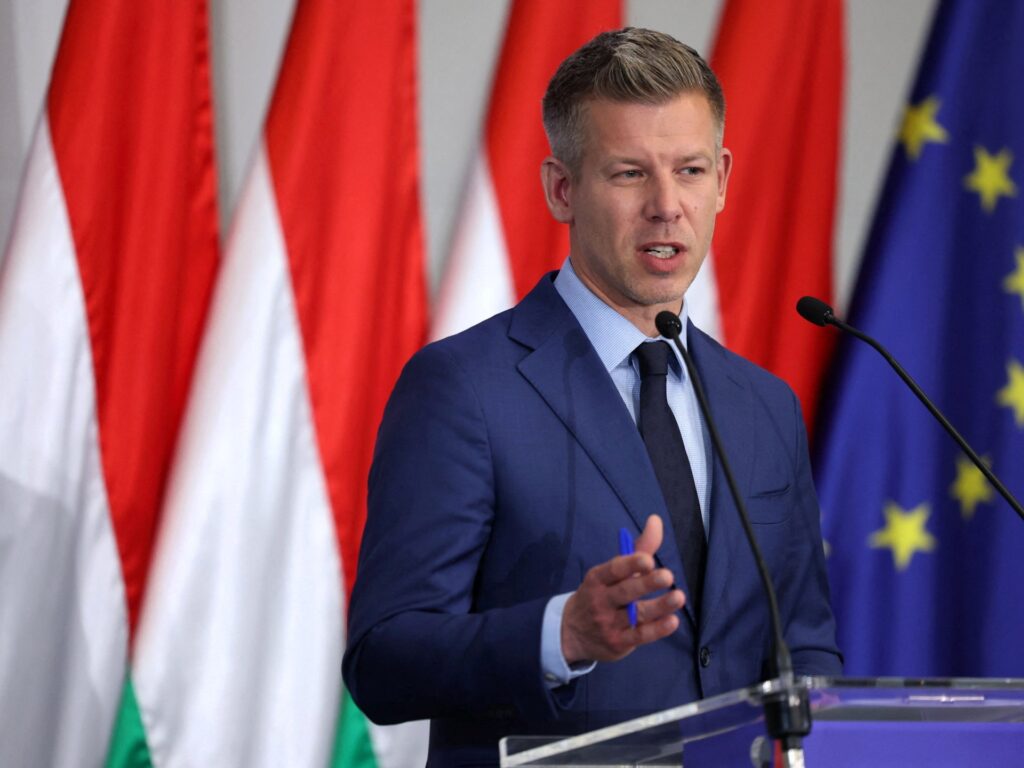
In a development that has sparked international attention, Hungary’s incoming Prime Minister has stated that Israeli Prime Minister Benjamin Netanyahu would face arrest if he sets foot in Hungary. The election winner made a bold claim that he would enforce an outstanding International Criminal Court (ICC) arrest warrant against Netanyahu and detain him.
This statement comes as a surprise given the traditionally strong relations between Hungary and Israel. The incoming Prime Minister’s stance marks a significant departure from Hungary’s usual diplomatic approach and points to a more assertive position regarding international justice and accountability.
The ICC warrant referenced relates to allegations against Netanyahu concerning actions taken during his tenure. Although details of the warrant have not been elaborated upon by the Hungarian official, the announcement signals Hungary’s readiness to align its policies closely with decisions made by international legal bodies like the ICC.
Netanyahu, who has served multiple terms as Israel’s Prime Minister, has faced scrutiny and legal challenges in various jurisdictions over his policies and leadership. However, Israel is not a party to the ICC, which complicates enforcement of such warrants beyond international boundaries.
The incoming Prime Minister’s declaration is expected to stir diplomatic tensions, potentially affecting Hungary’s foreign relations within the European Union and with the United States, both of which have strategic and political interests in the Middle East.
Political analysts suggest that this move could be part of a broader realignment of Hungary’s foreign policy priorities under the new government. It may also reflect a domestic political agenda aimed at projecting a strong stance on international law and ethics.
The international community is watching closely as Hungary prepares to transition its leadership. Should the arrest warrant be enacted upon Netanyahu’s potential visit, it could trigger a diplomatic crisis with profound implications for regional and global politics.
As of now, there has been no official response from the Israeli government regarding the incoming Hungarian Prime Minister’s statement. Observers anticipate that Israel might respond diplomatically or legally to counteract any attempts to detain Netanyahu.
The situation remains fluid, and further developments are expected as both countries navigate this unfolding scenario. The international community will likely urge restraint and dialogue to prevent escalation and promote peaceful resolution of disputes.
In conclusion, Hungary’s incoming Prime Minister’s announcement to arrest Israeli PM Benjamin Netanyahu if he visits Hungary underscores the complex intersection of international law, diplomacy, and politics. It serves as a reminder of the challenges faced in enforcing international legal decisions and the potential consequences such enforcement can have on bilateral relations and global stability.