A recent comprehensive report released by joint efforts from the European Union (EU) and United Nations (UN) has shed light on the critical and extensive challenges facing Gaza, underscoring the urgent need for over $71 billion in funding over the next ten years to facilitate recovery and development. The Gaza Strip, a Palestinian enclave, has been severely impacted by recurrent conflicts, economic blockades, and social hardships, leading to widespread devastation across multiple sectors.
The report details that the sectors most affected include housing, health, education, commerce, and agriculture. These areas form the backbone of Gaza’s economy and social welfare, and their recovery is essential for improving living conditions and fostering sustainable growth.
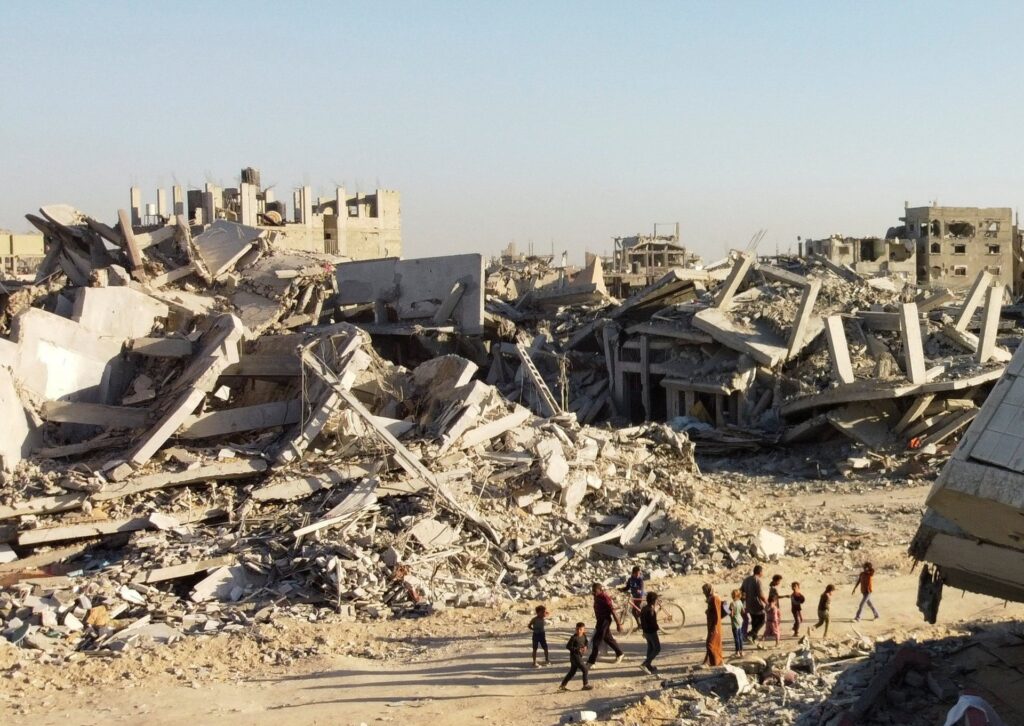
Housing has borne the brunt of destruction, with thousands of homes damaged or destroyed, displacing families and exacerbating the existing humanitarian crisis. Rebuilding efforts require substantial investment not only to restore infrastructure but also to ensure homes meet safety and quality standards.
The healthcare sector faces overwhelming challenges as facilities struggle to keep pace with demand amid shortages of medical supplies, equipment, and trained personnel. The report advocates for significant funding to renovate hospitals, enhance medical training, and improve access to essential health services.
Education is another critical sector in distress, with many schools damaged or operating in compromised conditions. Restoring and upgrading educational facilities, along with investing in teachers and learning materials, are highlighted as key priorities to enable children and youth to access quality education.
Commerce and agriculture, pivotal for economic stability and food security, have been weakened by restricted movement of goods and labor, limited access to markets, and destruction of farmland and infrastructure. Revitalizing these sectors is crucial for creating employment opportunities and ensuring sustainable livelihoods.
The report emphasizes that recovery efforts must be inclusive, incorporating community voices and promoting resilience to address both immediate needs and long-term development goals. It calls on the international community to increase financial aid, remove barriers to reconstruction, and support initiatives that foster economic diversification and social cohesion.
Moreover, the findings underscore the importance of coordinated action among humanitarian agencies, governments, and local stakeholders to maximize the impact of resources and avoid duplication of efforts.
In conclusion, the report serves as a stark reminder of the scale of investment required to rebuild Gaza effectively. It presents a strategic framework to mobilize resources and guide recovery initiatives that could transform the socio-economic landscape of the region. Without substantial and sustained support, the cycle of destruction and hardship in Gaza is likely to persist, jeopardizing the future of its inhabitants and regional stability.
This call for over $71 billion highlights both the challenges and opportunities for Gaza’s path to recovery, signaling a pivotal moment for international cooperation and commitment to peace and development in the region.