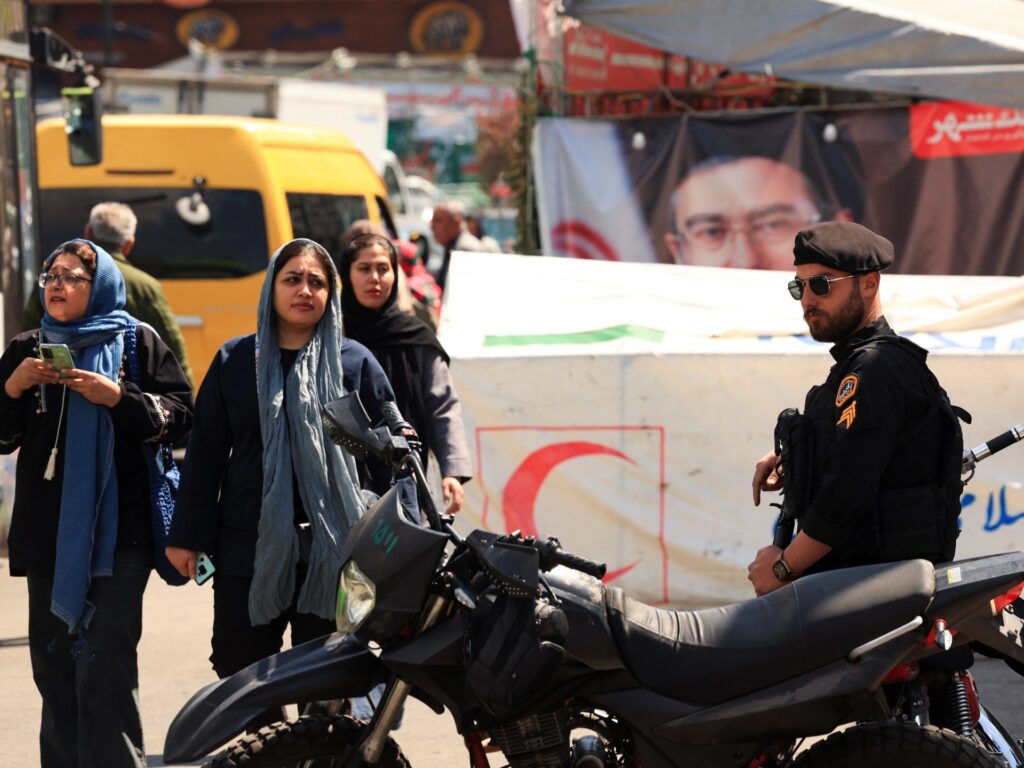
Iran has recently expanded the availability of limited internet access to a larger segment of its population, marking a notable development in the nation’s digital landscape. While more Iranians are now being offered a ‘privilege’ of constrained internet connectivity, a substantial portion of the population continues to face significant restrictions that limit their online experiences.
The government’s move to broaden limited internet access is seen as a cautious step towards easing previously strict controls. This limited access often involves restricted connectivity where users can only access certain approved domestic websites and services, while access to the broader global internet remains heavily curtailed.
Despite this expansion, the majority of Iranians remain in the digital dark, unable to utilize the full potential of the internet due to firewall restrictions and government censorship policies. These measures are designed to control information flow and restrict exposure to foreign content considered undesirable by the authorities.
The term ‘privilege’ used in this context reflects the uneven nature of internet accessibility in Iran. While some people, often in urban areas or with particular affiliations, are granted the advantage of partial connectivity, others, especially in rural or marginalized communities, continue to be severely limited in their digital engagement.
Iran’s internet restrictions have long been criticized by international observers as a means of suppressing dissent, controlling political discourse, and limiting freedom of expression. The limited expansion of internet access therefore represents only a partial shift, without addressing the core issue of open and unrestricted internet access for all citizens.
Experts argue that while the move could foster some economic and educational opportunities by connecting more people to government-approved digital platforms, the fundamental surveillance and content control mechanisms remain intact. This creates an environment where users are wary of violating terms and are hesitant to engage openly online.
The Iranian government’s stance on internet regulation is influenced by concerns over national security, cultural preservation, and political control. The restricted internet ecosystem aims to prevent the spread of information deemed harmful or destabilizing by authorities while promoting content aligned with state ideologies.
In summary, the recent expansion of limited internet access in Iran is a step forward but offers only a narrow window of connectivity amidst a broader context of digital suppression. The majority of Iranians still experience heavy restrictions and limited interaction with the global internet, impacting their social, economic, and civic life opportunities. Advocates for internet freedom continue to call for more inclusive policies that grant all citizens full access to the internet without discriminatory barriers or excessive controls.