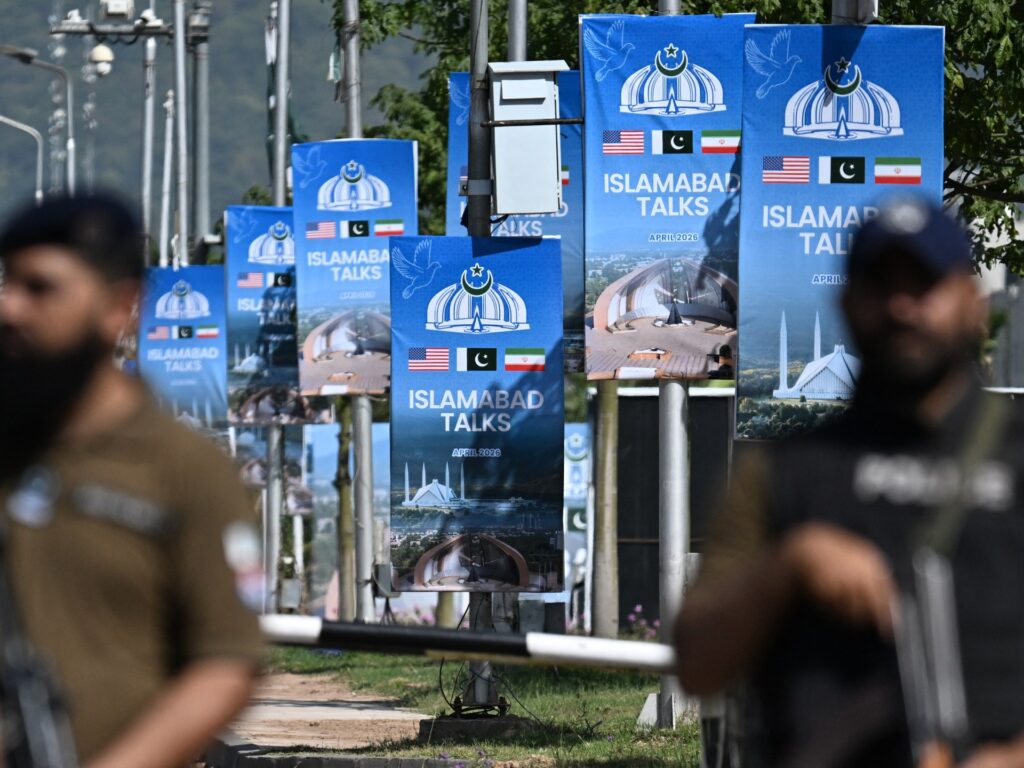
The announcement of renewed talks between the United States and Iran by former President Donald Trump has stirred both hope and apprehension in diplomatic circles. This development comes at a critical juncture, as a fragile ceasefire brokered by Pakistan adds new dimensions to the ongoing geopolitical tensions and negotiations.
The US-Iran talks aim to address a multitude of longstanding issues that have kept the two nations at odds for years. Despite the optimism surrounding the talks, several key sticking points threaten the progress and success of these negotiations.
Firstly, the nuclear program remains a core issue. The United States insists on strict limitations and verification protocols to prevent Iran from developing nuclear weapons capabilities. Meanwhile, Iran demands the lifting of economic sanctions that have severely impacted its economy, viewing these as unjust hindrances to their sovereign rights.
Secondly, regional security concerns also complicate dialogue. Iran’s support for various proxy groups in the Middle East is a major point of contention. The US views these groups as destabilizing forces, while Iran argues that its involvement is a defense mechanism against external threats.
Another significant sticking point is the role of Pakistan in the ceasefire and its implications for the talks. Pakistan’s successful brokered ceasefire has raised regional stakes and opened space for diplomatic engagement, but it also introduces new challenges. Both the US and Iran are wary of Pakistan’s influence, fearing potential biases and the sustainability of the ceasefire.
Human rights issues and Iran’s missile development program add further layers of complexity. The US aims to address these concerns as part of a broader strategy to ensure regional stability and counterbalance Iran’s military capabilities.
The international community watches keenly, recognizing that while these talks offer a pathway to de-escalation, the path forward is fraught with challenges. With Trump’s announcement, negotiations have gained fresh momentum, but the road to a comprehensive agreement will require bridging deep divides on multiple fronts.
In conclusion, the US-Iran talks are overshadowed by fundamental disagreements over nuclear policy, sanctions relief, regional security, and political influence. The fragile ceasefire mediated by Pakistan presents both an opportunity and a challenge. As both nations navigate this complex landscape, the global community remains hopeful yet cautious about the outcomes of these critical negotiations.