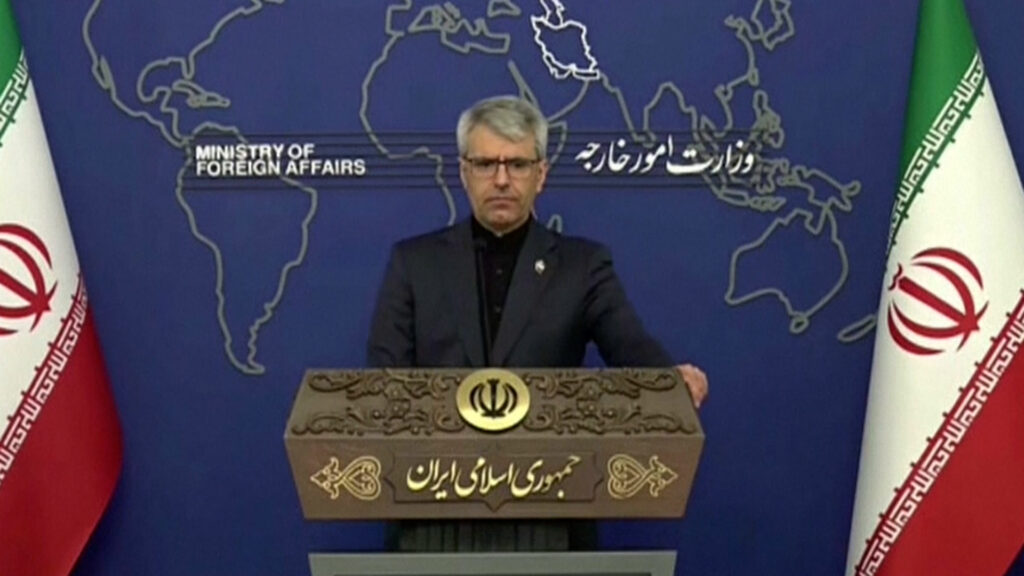
In a recent and firm statement, Iran announced that it currently has no plans to engage in negotiations with the United States. This declaration marks a continuation of the tense diplomatic relations between the two countries, which have been strained over various geopolitical and nuclear issues for years.
Iran’s stance reflects its ongoing resistance to what it views as American pressures and sanctions aimed at curtailing its nuclear program and regional influence. The Iranian government has repeatedly emphasized its sovereignty and right to pursue its policies without external interference.
The United States, for its part, has maintained a position of requiring Iran to comply with international agreements, particularly regarding its nuclear activities, before any substantial dialogue can resume. Various international actors have expressed concern over the lack of engagement between the two nations, fearing that continued hostility could destabilize the broader Middle East region.
Diplomatic experts note that while direct talks are currently off the table, indirect communications and mediated discussions through international organizations or allied countries could still occur. These channels may serve as a means to reduce tensions or prepare groundwork for future negotiations.
Observers also point out that domestic political dynamics in both countries play a significant role in this impasse. In Iran, hardline elements often dominate the political landscape, advocating for resistance against U.S. influence. Conversely, in the U.S., political divisions and the approach of upcoming elections contribute to a tough stance on Iran.
The international community continues to monitor the situation closely, urging both sides to consider dialogue as a path to resolving their differences. The potential consequences of prolonged estrangement between Iran and the United States include increased regional conflicts, economic disruptions, and a setback in non-proliferation efforts.
In summary, Iran’s announcement of having no plans for negotiations with the U.S. underscores a period of diplomatic deadlock and signals that any future reconciliation will require substantial shifts in policy and approach from both nations.