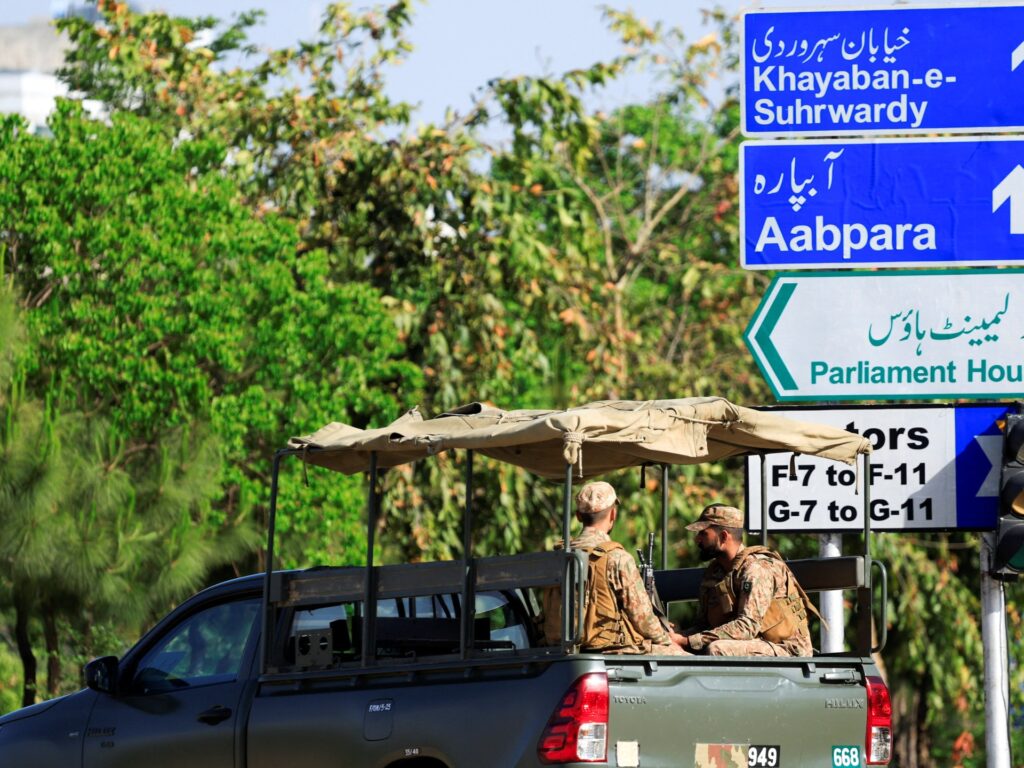
On Monday, Iran declared it would not be sending negotiators to engage in talks with the US in Pakistan, putting Pakistan’s mediation efforts in doubt amid growing regional tensions. The announcement comes at a time when diplomatic channels are deemed critical for easing escalating issues between Tehran and Washington.
The refusal by Iran to participate in the scheduled negotiations has cast a shadow over Pakistan’s role as a facilitator in potentially resolving strained ties. Pakistan had been slated to host the talks, intended to open a dialogue between the two countries amid a backdrop of heightened political and security concerns.
Iran’s decision underscores the complex geopolitical landscape in the region, where multiple interests and historical rivalries often impede diplomatic progress. The refusal may also reflect deeper strategic calculations by Iran, indicating hesitance to engage directly with the US at this juncture.
This development comes after a period of increased tensions due to sanctions, military posturing, and conflicting interests in various Middle Eastern hotspots. Experts suggest that Iran’s no-talk stance could be a response to current US policies or conditions that Tehran finds unacceptable.
Pakistan’s government expressed disappointment but remains hopeful that dialogue can eventually resume. Officials emphasized the country’s commitment to facilitating peace and stabilizing regional relations despite the setback.
International observers note that Iran’s stance complicates broader efforts to de-escalate tensions in the Middle East. Diplomatic channels remain open elsewhere, but the absence of direct talks between Iran and the US is a significant hurdle.
Analysts also warn that the absence of negotiations increases the risk of miscalculations and misunderstandings that could exacerbate conflict. The lack of communication channels reduces opportunities for confidence-building and may intensify hostile rhetoric.
Many hope that international pressure and continued diplomatic engagement by other global players could encourage Iran to reconsider its position. Meanwhile, the situation remains tense and unpredictable.
In conclusion, Iran’s refusal to engage in talks with the US in Pakistan has cast uncertainty over the regional peace process and Pakistan’s mediating role. It highlights the fragile nature of diplomacy in a volatile region and the ongoing challenges in fostering meaningful dialogue between adversaries.