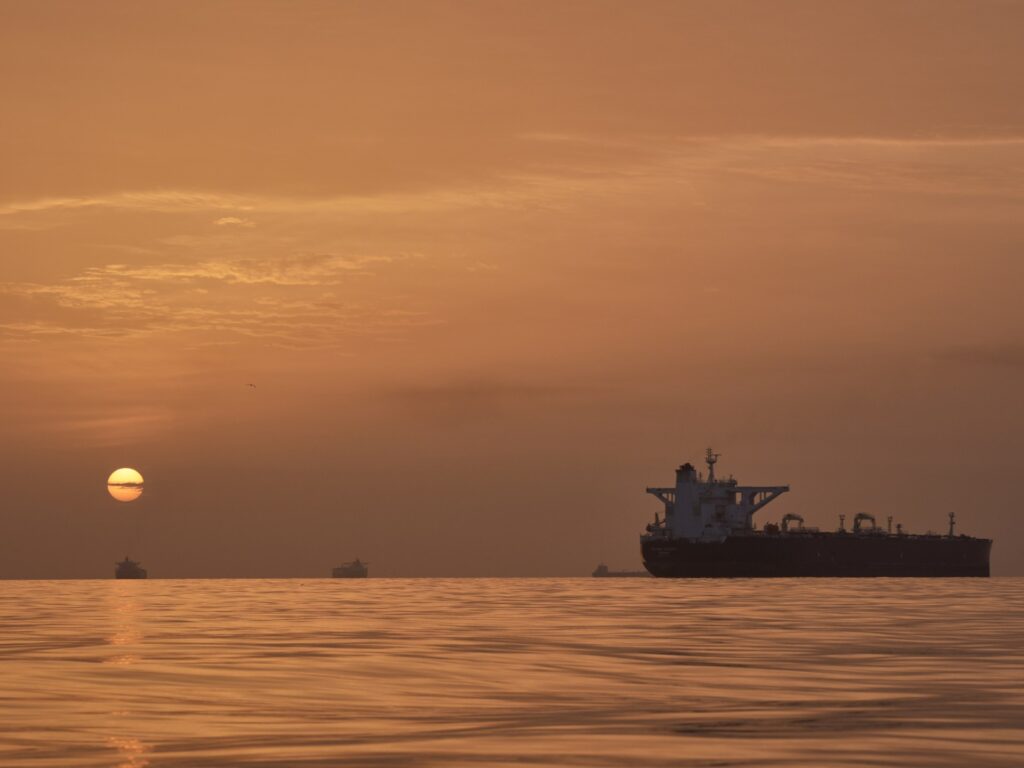
Tensions between Iran and the United States have sharply escalated following the U.S. seizure of an Iranian ship, which Tehran denounced as an act of ‘piracy.’ The incident comes amid ongoing geopolitical strains and increased military maneuvers in the region.
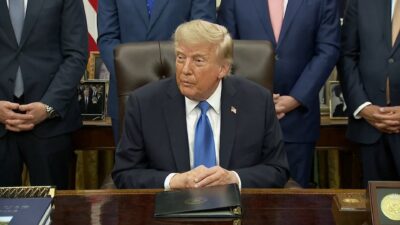
On the day of the seizure, U.S. President Donald Trump announced plans to dispatch a diplomatic team to Islamabad to explore potential negotiations, highlighting the complex backdrop of regional diplomacy and conflict.
Iranian officials sharply criticized the move, with Tehran labeling the seizure an illegal act and a blatant violation of international law and maritime rights. According to Iranian authorities, the ship was operating within its legal rights in international waters before U.S. forces intercepted it.
In response to the U.S. action, Iran vowed a firm and deliberate response, signaling a possible intensification of hostilities. The exact nature of Iran’s retaliation remains undisclosed, but officials warned it would be proportional and aimed at upholding national sovereignty.
The seizure worsens an already volatile situation in the Middle East, where a series of confrontations and proxy conflicts have heightened tensions between Tehran and Washington. These developments come after months of sanctions, military threats, and mutual accusations between the two nations.
International reactions to the incident have been mixed. Some countries have urged restraint and called for peaceful dialogue to avoid further escalation, while others have expressed support for U.S. efforts to enforce sanctions and security measures in the Gulf region.
The U.S. justified the seizure as a necessary measure to prevent the shipment of materials that could fuel Iran’s controversial nuclear and missile programs. U.S. officials argue this action aligns with international efforts to curb Iran’s military ambitions.
Conversely, Iran insists its activities are peaceful and compliant with international agreements, decrying the U.S. approach as aggressive and destabilizing.
This incident intensifies a broader contest for influence in the strategically critical region, involving not only Iran and the United States but also regional powers and global stakeholders.
Analysts warn that ongoing confrontations risk disrupting vital international shipping lanes and escalating conflicts beyond the Middle East.
As diplomatic channels attempt to navigate the crisis, the international community remains watchful for further developments and hopes for a de-escalation of tensions.
The U.S. team’s planned visit to Islamabad could play a crucial role in mediating and potentially opening dialogues for conflict resolution, yet the prospect of direct talks between Washington and Tehran remains uncertain.
This latest episode underscores the fragility of peace and stability in the Gulf region and the persistent challenges to achieving lasting security.
The international community continues to encourage dialogue, adherence to international law, and efforts to prevent further military confrontations.
In summary, the U.S. seizure of the Iranian ship has escalated Iran-U.S. tensions, drawing sharp rebuke from Tehran and threatening further instability in an already volatile geopolitical landscape. The coming days are critical as diplomatic efforts unfold amid heightened risks of conflict.