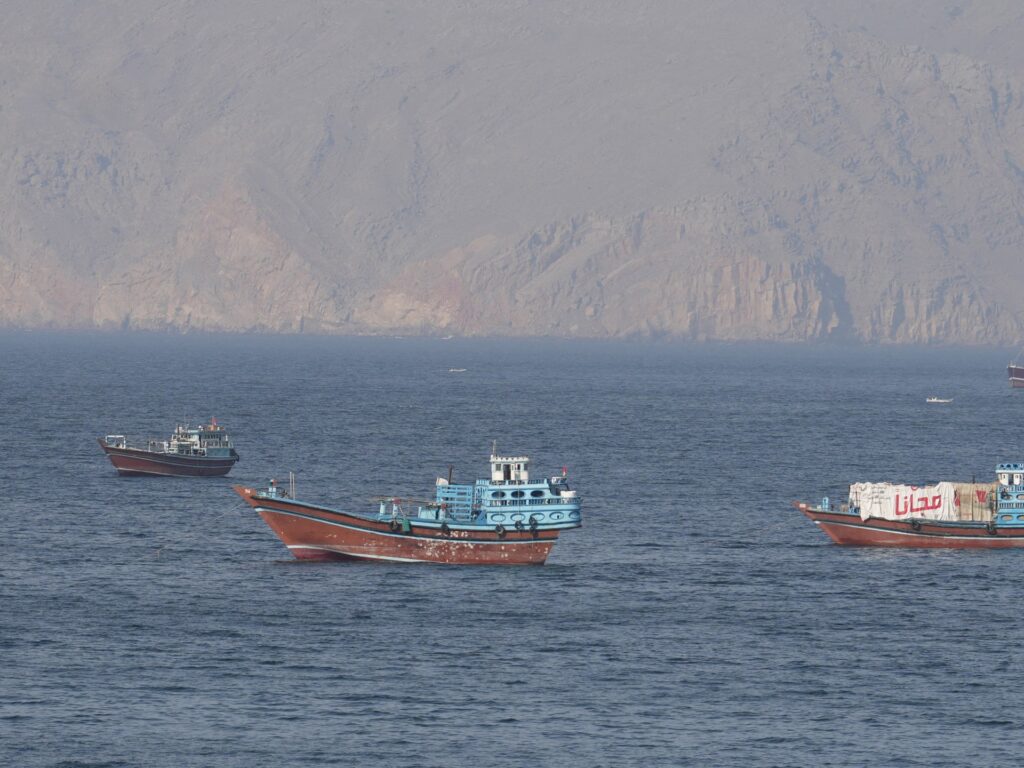
On day 51 of the escalating US-Israeli conflict involving Iran, tensions continue to intensify as Tehran maintains a firm stance regarding the strategic Strait of Hormuz. Iran has declared that it will keep the Strait of Hormuz closed until the United States lifts its blockade of Iranian ports, marking a critical point in the ongoing confrontation.
The Strait of Hormuz is a vital waterway through which a significant portion of the world’s oil supply passes, making its closure a major concern for global energy markets and international politics. Iran’s decision to keep the strait blocked is a direct response to Washington’s blockade, which has severely restricted the movement of goods to and from Iranian ports.
The blockade, imposed by the US, aims to pressure Iran economically and limit its ability to fund and arm groups considered hostile by the US and its allies. However, Iran’s countermeasure in closing the Strait signals an escalation that could impact international trade and regional stability.
Over the last 51 days, the conflict has seen increased military posturing from all parties involved. The US and Israel have conducted joint military exercises and missile defense drills to prepare for potential escalations. Meanwhile, Iran has showcased its missile capabilities and announced strategic partnerships with regional allies.
Diplomatic efforts to de-escalate the situation have so far failed to produce substantial results, with talks between the involved nations stalling amidst mutual distrust. Global calls for restraint and negotiation continue from the United Nations and other international bodies, urging all sides to avoid actions that could lead to full-scale conflict.
Energy markets have felt the strain, with oil prices rising amid uncertainties about supply disruptions through the Strait of Hormuz. Countries dependent on stable oil imports are closely monitoring the situation, concerned about the potential for broader economic repercussions.
The closure of the Strait not only challenges international shipping but also threatens the security of maritime navigation routes essential for global commerce. Many nations have expressed concern over the safety of commercial vessels transiting the area.
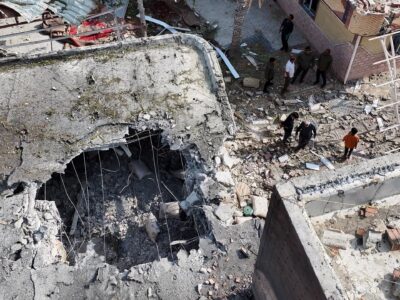
The humanitarian implications are also significant, as escalating hostilities threaten civilian populations in the volatile region. Reports of increased displacement and risks to infrastructure have emerged, drawing international humanitarian attention.
In the broader geopolitical context, the conflict reflects deep-rooted strategic rivalries in the Middle East, involving a complex web of alliances and proxy engagements. The situation remains highly fluid, with developments closely watched by global powers.
As of day 51, the US, Israel, and Iran remain locked in a tense standoff, with the closure of the Strait of Hormuz serving as a symbolic and practical focal point of the crisis. The international community continues to advocate for dialogue and peaceful resolution to prevent further escalation and ensure regional stability.
In summary, day 51 marks a critical juncture in the US-Israeli conflict with Iran, highlighting the strategic importance of the Strait of Hormuz and the high stakes involved in the ongoing confrontation. The coming days will be pivotal in determining whether diplomatic channels can be reactivated or if the conflict will spiral into a broader military engagement.