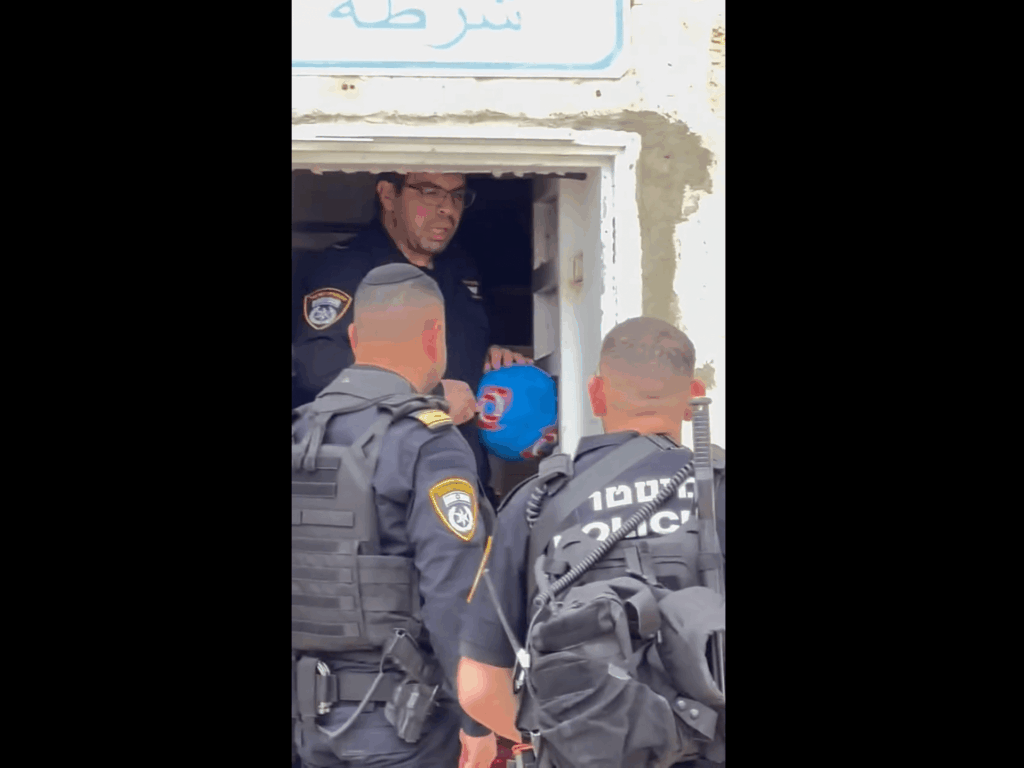
In a recent troubling incident, Israeli police confiscated and destroyed footballs being used by children near the Al-Aqsa mosque, a site of profound religious and cultural significance. The event has sparked concern and condemnation from various communities and human rights organizations.
The Al-Aqsa mosque, located in East Jerusalem, is one of the holiest sites in Islam and frequently a focal point of tensions due to its religious importance and political sensitivity. According to eyewitnesses, several children were playing football around the mosque when Israeli police intervened, removing and subsequently destroying the footballs.
This aggressive action against children engaged in a simple, peaceful activity adds to the charged atmosphere surrounding the mosque. Witnesses reported that no violent behavior occurred before the police response, which many have described as disproportionate and unnecessary.
Human rights groups quickly responded, condemning the act as a violation of basic rights and freedom of movement. They argue that children should be able to enjoy recreational activities without fear of such retaliatory actions, particularly in areas already fraught with conflict.
The destruction of children’s footballs is seen not only as an immediate loss for the kids involved but also as a symbolic act that amplifies the ongoing strain in the region. Critics cite this as another example of how minor incidents can escalate tensions and undermine efforts toward peaceful coexistence.
Community leaders have called for restraint and dialogue to prevent such episodes from deteriorating into further conflict. They stress the importance of allowing children to maintain a sense of normalcy and safety despite the surrounding political unrest.
Israeli police have yet to issue an official statement explaining their rationale for the destruction of the footballs, nor details about any follow-up actions concerning the children or their families.
This incident highlights the complex challenges faced by residents in East Jerusalem, where security measures often intersect with daily life in ways that exacerbate existing frictions.
As international observers watch closely, the hope remains for peaceful resolution and mutual respect that prioritizes the well-being of all children in the region, allowing them opportunities for joy and recreation without fear or interruption.