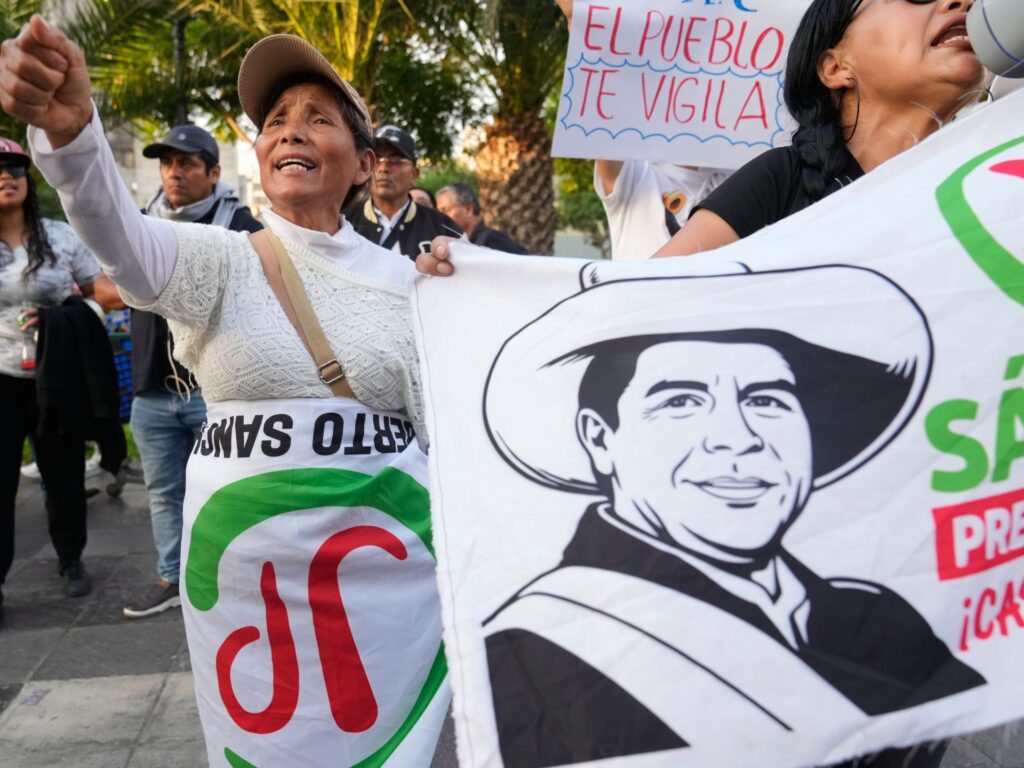
As Peru’s presidential election unfolds, mounting pressure is being directed at the country’s election authorities due to delays in the vote count. The ongoing count is crucial because it will determine who will face the conservative candidate Keiko Fujimori in the upcoming presidential run-off scheduled for June.
The current electoral process has been marked by a slow pace in tallying votes, leading to growing tensions among candidates, supporters, and the general public. The delay has sparked concerns about transparency and the integrity of the election process.
Keiko Fujimori, known for her conservative stance, has secured a position in the run-off, but her opponent remains unclear as electoral authorities work to finalize the results. This uncertainty has added pressure on the election officials, who are tasked with ensuring a fair and accurate count amidst challenging circumstances.
Observers note that the prolonged counting process risks undermining public confidence in democratic institutions and could fuel political instability in Peru. Calls for improved efficiency and transparency in the electoral system have intensified.
The election authorities have responded by emphasizing their commitment to accuracy over speed, reassuring the population that the final results will reflect the voters’ will. They have also implemented measures to address procedural bottlenecks and enhance the counting process.
As the nation awaits the official declaration of the opposing candidate against Fujimori, the spotlight remains on the election authorities to conclude the count promptly and maintain the credibility of Peru’s democratic process. The outcome of this election is seen as pivotal for the country’s political future, determining the direction of governance and policy-making in the coming years.
Ultimately, the integrity and efficiency of Peru’s election system stand as a critical test during this electoral cycle, with widespread attention both domestically and internationally. The resolution of the vote count will not only decide the next leader but also influence Peru’s democratic stability and public trust in electoral institutions.