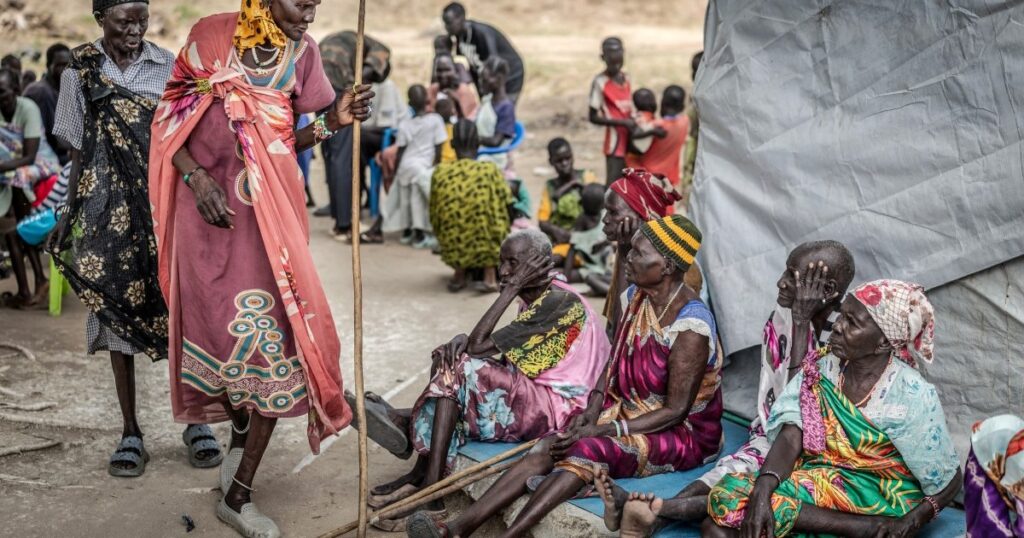
The United Nations has issued a stark warning about South Sudan, highlighting the country’s grave risk of slipping into a full-scale famine as armed conflict escalates. The ongoing fighting has severely disrupted the lives of millions, exacerbating already dire humanitarian conditions and pushing large segments of the population to the brink of starvation.
UN aid chief Tom Fletcher emphasized the growing humanitarian crisis, noting that hunger is tightening its grip amid rising needs. The intensification of conflict across various regions of South Sudan has led to widespread displacement, destruction of agricultural land, and interruption of vital food supplies. As a result, communities are facing unimaginable hardships.
South Sudan, the world’s youngest nation, has struggled with cycles of violence and instability since gaining independence in 2011. The recent surge in clashes among armed groups and government forces has further destabilized the fragile country. These hostilities have led to loss of life, displacement of families, and plunged millions into severe food insecurity.
Fletcher warned that without urgent intervention, the situation could deteriorate rapidly, pushing vulnerable populations into famine conditions. Access to basic necessities such as food, clean water, and medical aid has become increasingly limited in conflict zones. Humanitarian agencies are facing significant challenges delivering assistance due to security risks and logistical barriers.
The UN has called on all parties to the conflict to immediately cease hostilities and allow safe, unhindered access for aid organizations. The international community is urged to increase support for emergency relief efforts to prevent a catastrophic famine.
Efforts are underway to provide food, nutrition, and medical services to affected areas, but the scale of needs is overwhelming. Agriculture, the backbone of South Sudan’s economy, has been devastated in many regions, compounding food scarcity. Displaced populations living in camps or makeshift settlements are particularly vulnerable to hunger and disease.
The UN’s warning underscores the need for a concerted, coordinated approach to address the humanitarian emergency. Alongside immediate relief, long-term peacebuilding and development initiatives are essential to stabilize South Sudan and build resilience against future crises.
As the conflict persists, the plight of millions remains bleak without decisive action. The international spotlight on South Sudan’s unfolding famine crisis serves as a call for urgent global solidarity to avert a humanitarian catastrophe on an unprecedented scale.