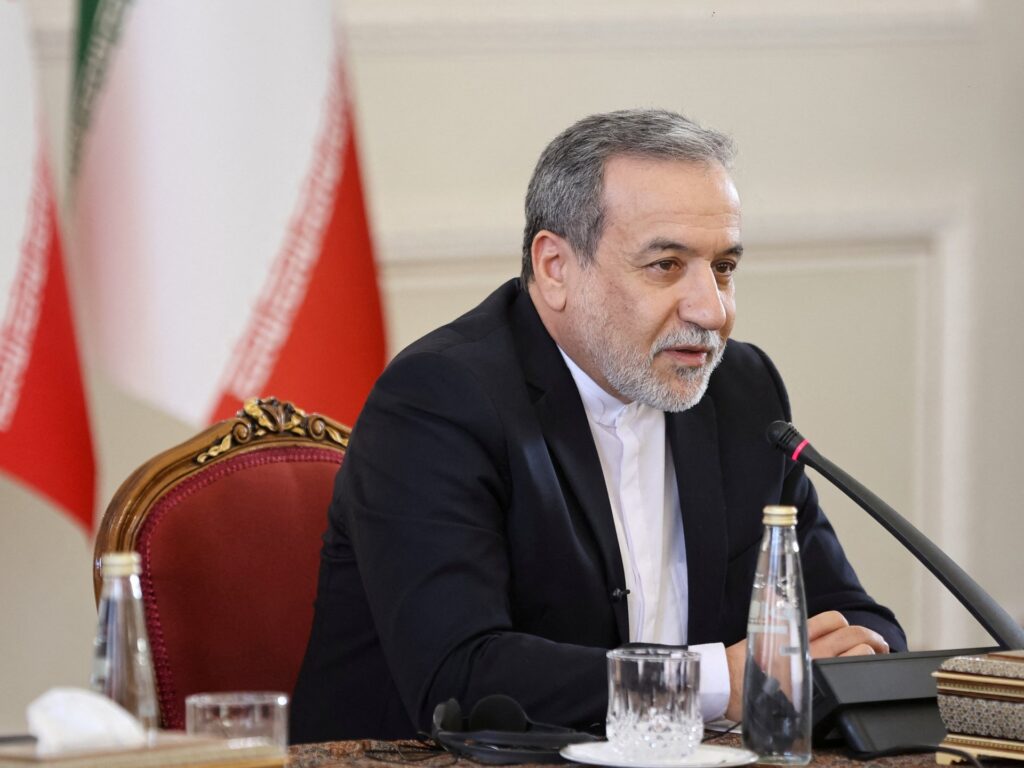
Iran’s Foreign Minister has announced that the Strait of Hormuz remains completely open for navigation, ensuring safe passage for all commercial vessels. This declaration comes during the ongoing ceasefire between Israel and Lebanon, signaling a period of reduced tension in the region. The Strait of Hormuz is a critical chokepoint in global maritime trade, particularly for oil shipments, making its accessibility vital for international markets. Iran’s assurance aims to promote stability and uninterrupted trade through this strategic waterway. The statement underscores Iran’s commitment to maintaining open sea routes despite regional conflicts. Maritime authorities in the region have welcomed the announcement, emphasizing the importance of uninterrupted commercial traffic for economic stability. The ceasefire between Israel and Lebanon has contributed to a more secure environment, facilitating such positive developments in maritime security. Iran’s move also seeks to enhance diplomatic efforts to stabilize the region and support peaceful economic activities. International stakeholders have been closely monitoring the situation, as any disruption in the Strait of Hormuz can have significant global economic repercussions. Iran’s confirmation of unrestricted passage offers reassurance to global traders and shipping companies operating in the area. The Strait of Hormuz, connecting the Persian Gulf with the Gulf of Oman, is one of the world’s most strategically significant maritime passages. It serves as a transit route for a substantial portion of the world’s petroleum supplies, making its security a critical concern for many nations. The assurance of open passage aligns with broader regional efforts to de-escalate conflicts and foster cooperation among neighboring countries. While geopolitical tensions remain in the Middle East, developments like these highlight possibilities for peaceful coexistence and economic collaboration. The foreign minister’s announcement comes amid international calls for maintaining freedom of navigation in critical maritime routes. Iran’s commitment to keeping the Strait of Hormuz open also reflects its interest in sustaining its role as a key player in regional security dynamics. Global markets reacted positively to the news, as uninterrupted flow through the strait helps stabilize oil prices and supply chains. Shipping companies are likely to continue their operations without fear of sudden restrictions or blockades. The international community underscores the need for all parties to respect maritime laws and ensure safety for commercial vessels. Iran’s statement provides optimism for a period of reduced maritime risks, which benefits global trade and energy security. Analysts view this development as a step toward building trust and reducing the likelihood of military confrontations in the area. The ceasefire between Israel and Lebanon plays a pivotal role in creating an environment conducive to such positive announcements. Maintaining open and secure maritime routes remains crucial for economic stability and regional peace. This news may pave the way for further dialogue and cooperation among countries bordering the Persian Gulf and beyond. Iran’s proactive approach in confirming open passage demonstrates its strategic priorities in balancing regional security and economic interests. As tensions fluctuate, such assurances are vital for encouraging continued peace and commerce. The international shipping community continues to monitor developments closely, hopeful that this openness will be maintained. Overall, Iran’s declaration reinforces the importance of the Strait of Hormuz as a lifeline for global energy supply and trade, especially during sensitive geopolitical moments.