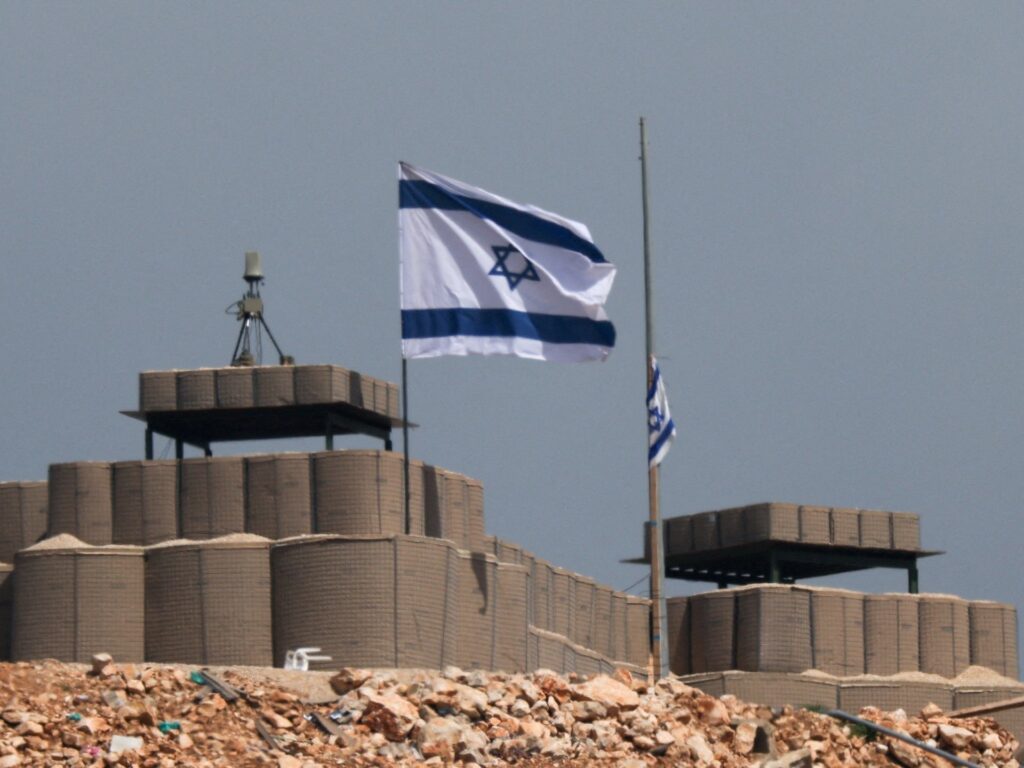
The recent ceasefire agreement between Israel and Lebanon has elicited a variety of reactions across Israeli society and media, reflecting a complex tapestry of opinions and emotions. Al Jazeera’s correspondent Tony Cheng provides an insightful overview of how the ceasefire is being viewed within Israel.
In Israel, the ceasefire brings a cautious relief among many citizens who have endured the stress and uncertainty of conflict. Families in border towns, often the most affected by exchanges of fire, express hope for lasting peace though tempered by skepticism based on past experiences.
The Israeli press has covered the ceasefire extensively, with opinions varying widely. Some media outlets portray the agreement as a necessary step to de-escalate violence and prevent further casualties, emphasizing diplomatic efforts and international pressure that led to this outcome. Editors underline the significance of stabilizing the northern front and allowing the government to focus on other pressing national issues.
Conversely, certain segments of the press and political commentary are more critical, questioning the strategic gains of the ceasefire. There is debate over whether the terms adequately deter future aggression or if they compromise the security interests of Israel. Analysts warn that the fragile ceasefire might serve only as a temporary pause rather than a definitive peace.
Among the Israeli political class, reactions are similarly mixed. Some leaders praise the ceasefire as a testament to Israel’s defense capabilities and successful negotiation tactics, while others call for vigilance and readiness, advocating continuous improvements in military preparedness.
Public opinion polls conducted in the wake of the ceasefire reveal a populace divided by the shadow of conflict but united in desiring stability and security. While many Israelis endorse diplomatic solutions, there remains an undercurrent of anxiety regarding long-term peace prospects with Lebanon and the factions operating there.
Tony Cheng notes that the ceasefire also triggers broader discussions about Israel’s regional strategy and the role of international actors including the United Nations, which often features in ceasefire arrangements and peacekeeping efforts.
In conclusion, the Lebanon ceasefire is a moment of cautious optimism in Israel, shadowed by the complexities of past conflicts and the uncertainties of future relations. The varied reactions reflect a society grappling with hope, fear, and pragmatic considerations as it looks toward a more peaceful future.