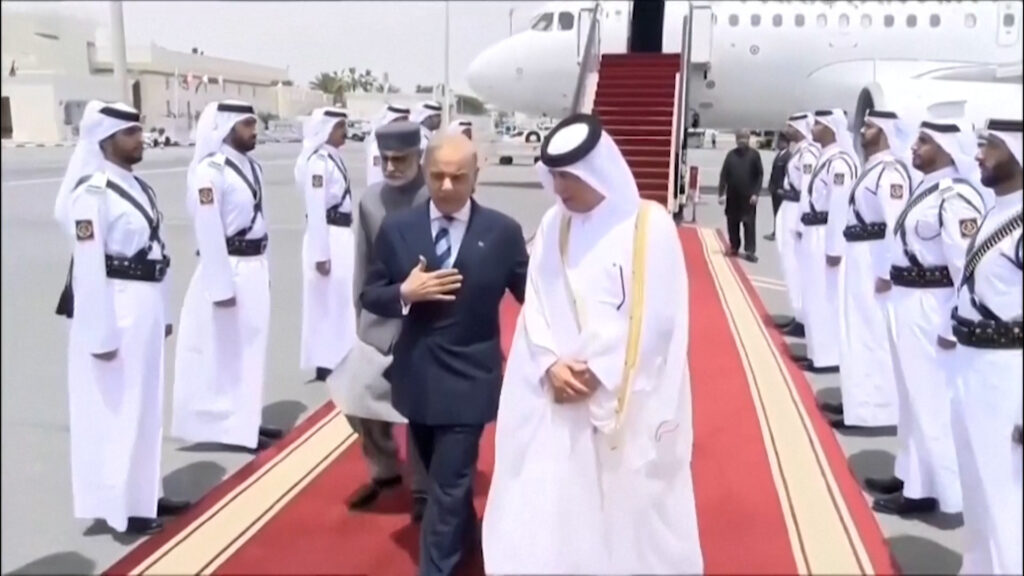
In a significant diplomatic development, Qatar has hosted a series of talks aimed at putting the Iran peace process back on track. The initiative reflects growing regional and international concerns over stability in the Middle East, as Qatar leverages its position as a neutral ground for dialogue.
Pakistan’s Prime Minister arrived in Doha on Thursday, underscoring the high stakes and wide regional interest in the peace process. His participation marks Pakistan’s continued commitment to facilitating peace and fostering cooperation across the Middle East. The talks bring together key regional players and stakeholders with the goal of ending ongoing conflicts and mitigating tensions.
The Iran peace process has faced numerous challenges in recent years, including political disagreements, economic sanctions, and proxy conflicts. Qatar’s hosting of these talks signals a renewed effort to address these complications through diplomacy rather than confrontation.
During the discussions, participants emphasized the importance of dialogue, mutual respect, and adherence to international norms as foundations for lasting peace. The talks also explored possibilities for de-escalation, confidence-building measures, and pathways to resumed formal negotiations involving Iran and other influential regional actors.
Pakistan’s Prime Minister highlighted Pakistan’s role as a bridge-builder in the Muslim world, advocating for peaceful resolutions to conflicts that affect regional security and prosperity. His presence added momentum to the talks, as Pakistan shares historical and cultural ties with many Middle Eastern countries and seeks to promote stability.
Qatar, known for its diplomatic mediation efforts, has previously facilitated negotiations in several regional conflicts. This latest initiative builds upon that legacy, aiming to create a constructive platform where divergent views can be reconciled.
The ongoing war and geopolitical tensions in the Middle East have had far-reaching consequences, affecting global energy markets, refugee flows, and security concerns. The peace talks hosted by Qatar are thus viewed as a crucial step toward mitigating these impacts and fostering a more peaceful regional environment.
Observers note that success in these talks could pave the way for broader international engagement and potentially revive stalled agreements related to Iran’s nuclear program and regional conduct. This would not only benefit the immediate participants but could also contribute to global stability.
Despite challenges ahead, the willingness of regional leaders to come together in Doha signals a collective recognition of the urgent need for peaceful solutions. The talks represent a hopeful moment in the complex and often fraught landscape of Middle Eastern diplomacy.
Qatar’s role as a mediator continues to enhance its profile as a key player in regional peace efforts, demonstrating how smaller states can make a significant impact through strategic diplomacy. The coming weeks will be critical in determining the future trajectory of the Iran peace process and broader Middle Eastern stability.
As the talks progress, stakeholders remain cautiously optimistic that dialogue can overcome differences and that a path toward peace and reconciliation is achievable. The international community watches closely, hopeful that these efforts mark a turning point in one of the world’s most enduring and complex conflicts.