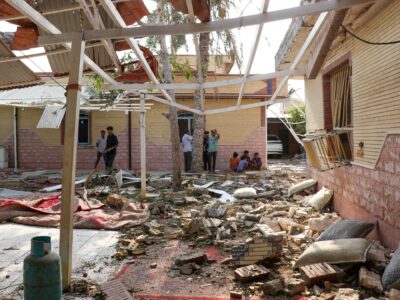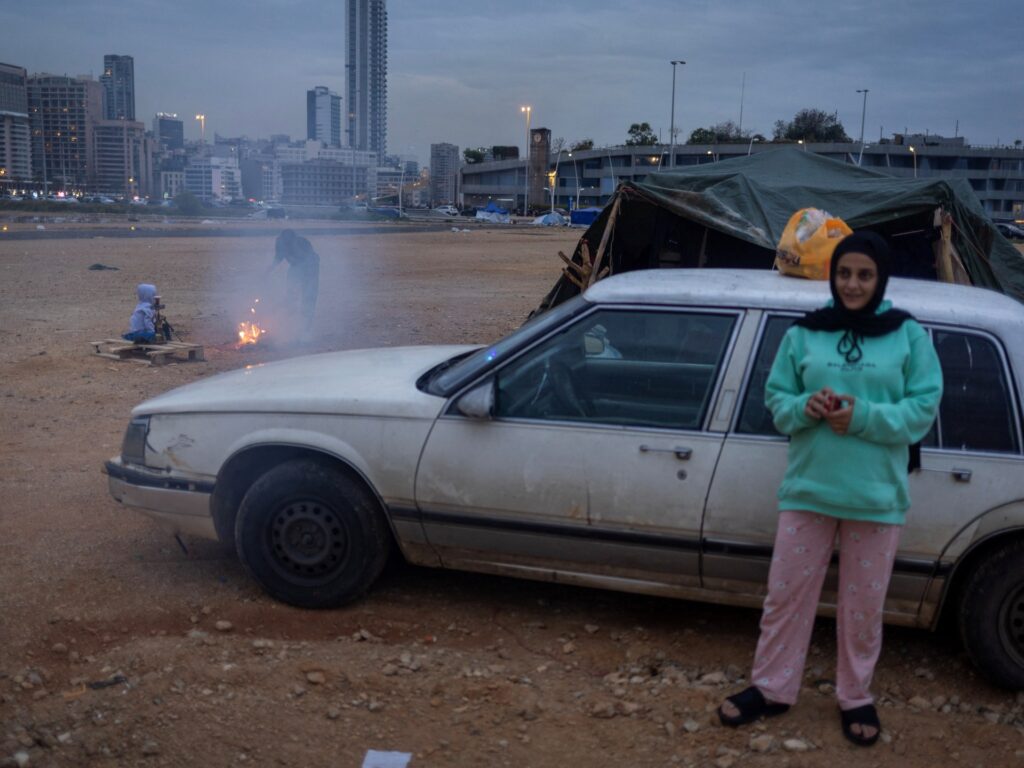
In the diverse and historically complex city of Beirut, Lebanon, sectarian tensions have once again surged, particularly in the Karantina district, following the cancellation of a proposed displacement centre. The decision has sparked fears among local communities and analysts alike, recalling the painful memories of Lebanon’s civil war era, characterized by sectarian conflict and social fragmentation.
Karantina, a neighborhood known for its mixed population of different religious and ethnic groups, was slated to host a displacement centre aimed at providing shelter and aid to vulnerable populations affected by recent upheavals. However, opposition from certain local factions citing fears of demographic changes and sectarian imbalance has led to the abandonment of the project.
Residents and leaders in Karantina expressed deep concerns that the cancellation would hinder effective crisis response strategies and weaken social cohesion efforts in an already fragile environment. They warn that the underlying sectarian anxieties, when stirred, have the potential to exacerbate divisions and lead to outbreaks of unrest reminiscent of the civil war period.
Historically, Karantina has been a flashpoint in Beirut due to its strategically important location and its role as a cultural and economic melting pot. The area witnessed significant violence during Lebanon’s 1975-1990 civil war, driven in large part by sectarian disputes. The rejection of the displacement centre brought these historical wounds back to the surface, stirring public debate on the balance between security, humanitarian needs, and community trust.
Civil society organizations and international observers have voiced concern over the growing sectarian fears and the impact they may have on Lebanon’s fragile peace. Many urge the government and local authorities to engage in open dialogue with residents, promote inclusive policies, and address the root causes of sectarianism to prevent a relapse into conflict.
The cancellation also raises wider questions about the challenges faced by Lebanon in managing refugee and displacement crises amid economic and political instability. Lebanon hosts a large number of refugees from neighboring countries, and the absence of adequate displacement centres complicates efforts to provide humanitarian assistance and maintain social harmony.
Experts emphasize the need for coordinated national strategies that prioritize both security and inclusivity. The case of Karantina underscores how local opposition rooted in sectarian fears can derail important humanitarian projects, ultimately affecting the wellbeing of displaced populations and the broader community.
In conclusion, the cancellation of the displacement centre in Karantina highlights the persistent sectarian anxieties in Beirut that threaten to undermine reconciliation and development efforts. For stable peace and effective crisis management, Lebanon must find ways to bridge sectarian divides, foster trust, and invest in community-building measures that protect all citizens regardless of their background.