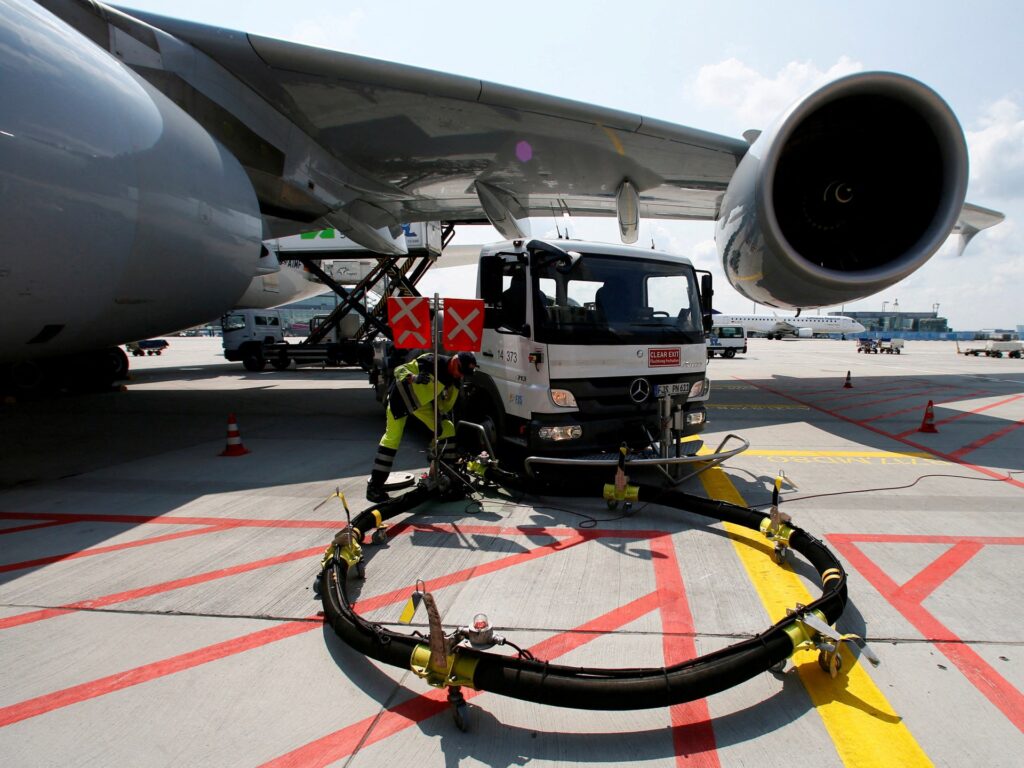
Europe’s aviation industry is bracing for a potential crisis as tensions in the Persian Gulf, particularly near the Strait of Hormuz, threaten to disrupt jet fuel supplies crucial for flights across the continent. Experts warn that escalating conflicts involving Iran could cause significant shortages in jet fuel, grounding flights and severely impacting travel during the peak summer season.
The Strait of Hormuz, a vital chokepoint through which about 20% of the world’s oil passes, has become a hotspot of geopolitical tension. Any disturbances or blockades in this narrow passage can dramatically cut off oil exports from the Middle East, including jet fuel needed for aviation.
European airlines heavily rely on jet fuel imports refined from Middle Eastern crude oil. A disruption in supply chains, triggered by conflicts or sanctions linked to Iran, could lead to a decrease in available jet fuel stocks. This scenario poses a real threat of flight cancellations and operational challenges at major European airports.
The timing could not be worse. The summer season traditionally sees heightened travel demand, with millions of passengers flying for holidays across Europe and beyond. A shortage at this critical period could lead to increased ticket prices, reduced flight frequencies, and greater logistical difficulties for airlines.
Fuel suppliers and airlines are already voicing concerns and exploring contingency plans. These include sourcing fuel from alternative regions, increasing stockpiling efforts, and optimizing fuel usage on existing flights. However, such measures may not fully offset supply disruptions if tensions in the Gulf escalate further.
Moreover, the potential increase in fuel prices resulting from scarcity would add pressure to an industry still recovering from the financial impact of the COVID-19 pandemic. Airlines may pass these costs on to consumers, leading to more expensive airfares during the high travel season.
European governments and aviation authorities are closely monitoring the situation. They are engaging in diplomatic dialogue aimed at easing tensions in the Middle East, while simultaneously assessing the security of fuel supply chains critical for the aviation sector.
In summary, the ongoing geopolitical tensions involving Iran and the strategic significance of the Strait of Hormuz carry the risk of ground flights across Europe due to anticipated jet fuel shortages. This development could profoundly affect travel plans, airline economics, and the broader aviation ecosystem during one of the busiest periods of the year.