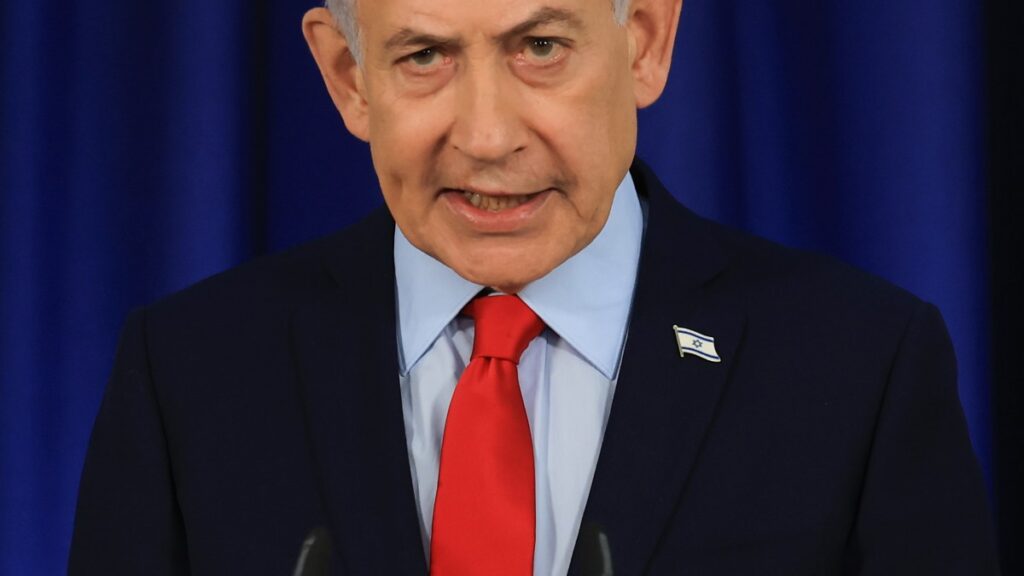
Israel has historically positioned itself as a key defender of Western interests, particularly in the Middle East, aligning closely with the United States and many European countries. However, recent developments suggest a shift in this dynamic, with Israel engaging in broader conflicts while seemingly paying little heed to criticism from its traditional allies, particularly in Europe.
The Israeli government’s approach has included widening its military actions, which some analysts view as disproportionate or unilateral. This strategy has drawn sharp international scrutiny and has exacerbated tensions with neighboring countries in the region.
Despite its strategic partnerships, Israel appears increasingly indifferent to condemnation from European nations, which have expressed concern over its policies and actions. European leaders and diplomatic circles have voiced worries about the impact of Israel’s military engagements on regional stability and civilian populations.
This growing rift reflects a complex geopolitical landscape where Israel’s pursuit of its security objectives seems to be coming at the cost of diplomatic goodwill. The traditional support from the West is not as robust, indicating a potential recalibration of alliances and regional policies.
Critics argue that Israel’s prioritization of security measures and military strength over diplomatic dialogue could further isolate it internationally. Such isolation may influence Israel’s economic and political relations, impacting future cooperation on multiple fronts, including peace initiatives and trade.
On the ground, the widening scope of conflicts has led to increased casualties and humanitarian concerns, which in turn fuel global criticism. Human rights organizations and international bodies have repeatedly called for restraint and adherence to international law.
The Israeli government, however, defends its actions as necessary measures to protect its citizens and maintain national security against perceived threats. Officials emphasize the constant dangers posed by hostile groups and neighboring states, framing their military strategies as defensive rather than aggressive.
This narrative resonates with segments of the Israeli public who prioritize security, but it also polarizes opinions internationally. Supporters argue that Israel’s tough stance is justified given the complex and often hostile environment, while detractors warn that escalating conflicts could trigger broader regional instability.
The divergence between Israel and its Western allies highlights the evolving nature of international relations in the 21st century. Traditional alliances are being tested by changing political realities, divergent national interests, and differing interpretations of security and human rights.
Looking ahead, the challenge for Israel will be balancing its legitimate security concerns with the need to repair and maintain crucial diplomatic relationships. Fostering dialogue and cooperation with European countries and other global partners remains essential for Israel’s long-term security and regional peace.
In conclusion, Israel finds itself at a crossroads—asserting its role as a defender of the West, yet increasingly isolated due to its expanding conflicts and perceived disregard for its allies’ criticisms. How this dynamic evolves will significantly influence the geopolitical landscape of the Middle East and the effectiveness of Western influence in the region.