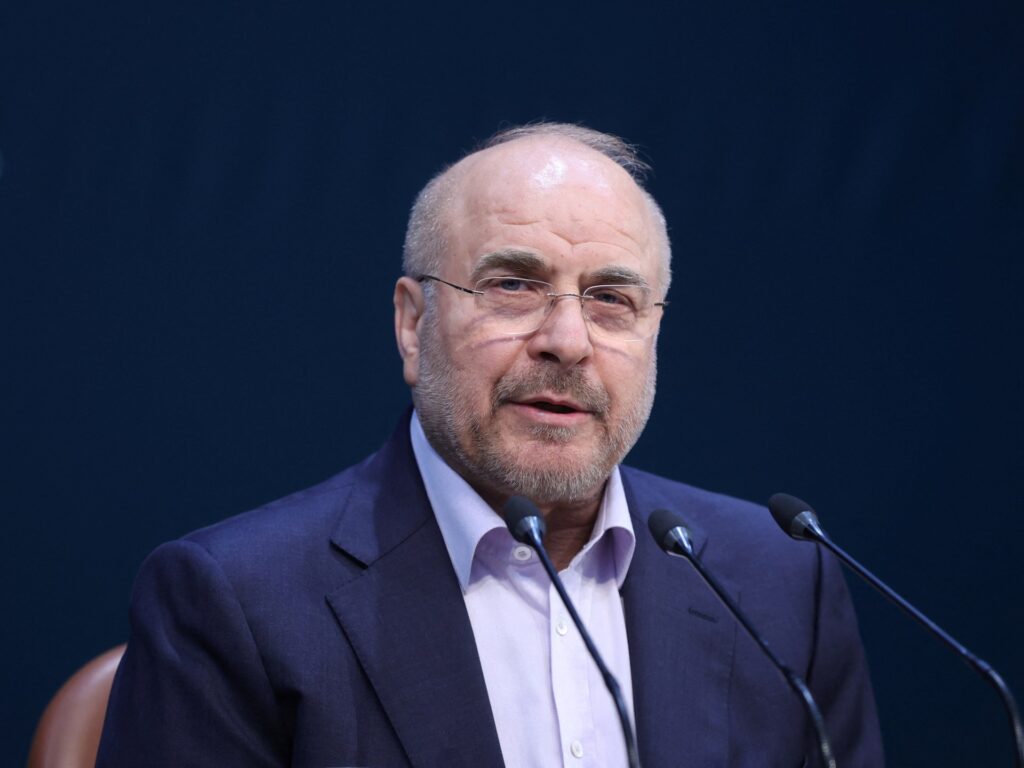
Mohammad Bagher Ghalibaf, Speaker of the Iranian Parliament, has emphasized the significance of a ceasefire in Lebanon, equating it to the importance of achieving one in Iran. In recent statements, Ghalibaf highlighted Tehran’s efforts to drive the United States and Israel towards agreeing to a permanent ceasefire across all conflict zones in the region.
According to Ghalibaf, the ongoing tensions in Lebanon and Iran share a critical need for cessation of hostilities to prevent further destabilization. He noted that Iran is actively striving to compel parties involved, especially the US and Israel, to commit to lasting peace agreements that can halt violence and promote stability in the Middle East.
This call for a ceasefire underscores the broader geopolitical dynamics that have continued to fuel conflict across various Middle Eastern frontiers. Iran’s leadership sees a permanent ceasefire not only as a strategic necessity but also as an essential step towards ensuring regional security and peace.
The Lebanese conflict, often marked by intermittent clashes and the involvement of various factions, poses a significant threat to regional harmony. Ghalibaf’s statements reflect Iran’s broader foreign policy outlook, where the emphasis on ceasefires aligns with its goal of fostering an environment conducive to dialogue and political solutions.
Tehran’s diplomatic posture aims at pressuring Western and Israeli authorities to reconsider their military strategies and hostilities, pushing instead for negotiations that could lead to sustainable peace. By likening the importance of a ceasefire in Lebanon to that in Iran, Ghalibaf stresses the interconnectedness of peace efforts across Middle Eastern nations.
The international community has often called for de-escalation in Lebanon, where various local and regional powers have stakes. Iran’s vocal push for ceasefire could signal increased diplomatic activity aimed at conflict resolution.
Ghalibaf’s remarks come amidst ongoing concerns about escalating violence and the humanitarian toll of conflicts in these areas. His position could influence both Iranian public opinion and foreign diplomatic engagements as Tehran seeks to assert its role in regional stability.
In summary, the call for a permanent ceasefire is presented by Iranian leadership as a critical objective that is equally vital in Lebanon and Iran. It reflects a strategic attempt to reshape the conflict dynamics and encourage lasting peace agreements by involving major powers and stakeholders in the region.