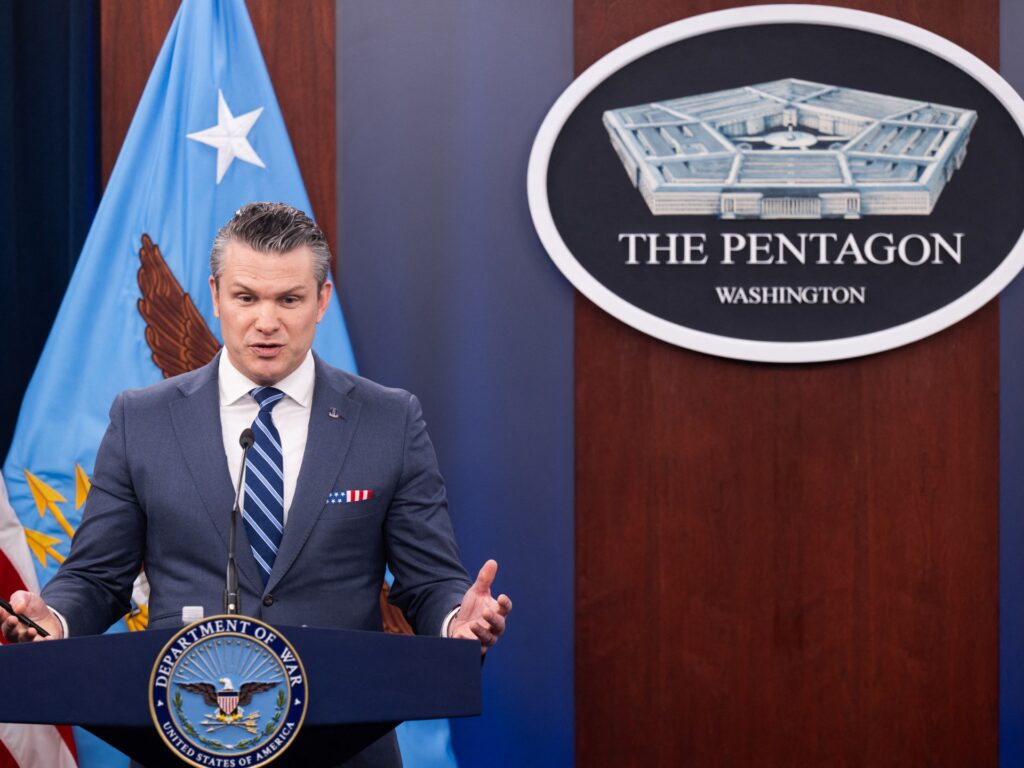
In a recent statement, Pete Hegseth, a prominent US political commentator, confirmed that the United States intends to continue its blockade of Iranian ports located near the strategic Strait of Hormuz. This move underscores Washington’s firm stance amid ongoing tensions in the region. The Strait of Hormuz is a vital corridor through which a significant percentage of the world’s oil supply passes, making it geopolitically critical.
Hegseth emphasized that while the US Government is keen on resolving disputes through diplomatic talks, it remains “locked and loaded,” signaling readiness to resume military actions if deemed necessary. This dual approach of diplomacy backed by military preparedness highlights Washington’s strategic balancing act in maintaining control over the region’s maritime routes.
The US has repeatedly called for de-escalation, urging Iran to engage in meaningful dialogue to resolve issues peacefully. Despite these calls, the continued blockade represents a clear pressure tactic, aimed at curbing Iran’s influence and its program activities.
Analysts suggest that the blockade may disrupt Iranian trade significantly, impacting the nation’s economy. However, it also raises concerns about regional stability and the potential for unintended escalations that could draw multiple countries into conflict.
Iran has condemned the blockade as an act of aggression, arguing it violates international laws related to freedom of navigation. Tehran warns that any aggressive moves in response to the blockade could further destabilize the Gulf region.
International stakeholders are watching closely, with calls from various countries and organizations urging restraint and dialogue. The situation remains fluid, with the possibility of rapid developments depending on both diplomatic and military actions.
The US commitment to maintaining the blockade while advocating for talk-based resolutions reflects broader tensions between Iran and Western powers. As negotiations continue, the international community hopes for a peaceful outcome that secures navigation rights and regional security without escalating military confrontations.
In summary, the US maintains a dual strategy in the Strait of Hormuz: enforcing a blockade to limit Iranian maritime operations while expressing willingness to engage in talks. The balance between these approaches will likely define the near-term trajectory of US-Iran relations and regional stability in one of the world’s most critical maritime chokepoints.