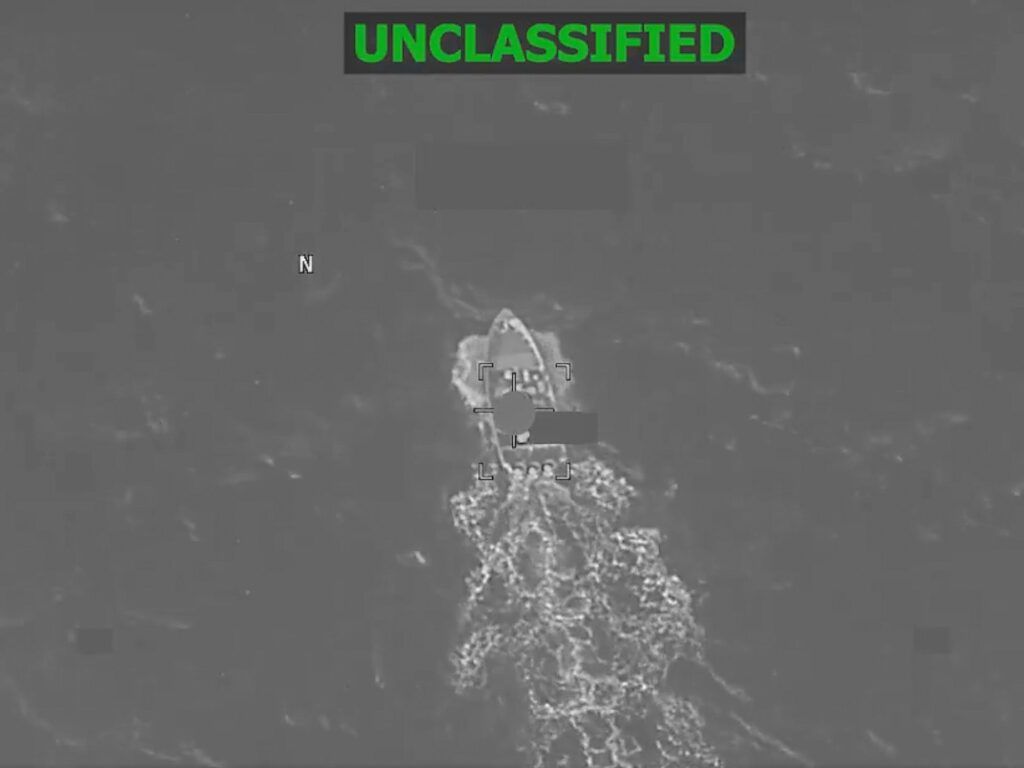
In a recent development that has sparked widespread attention and condemnation from human rights organizations, the United States military conducted a lethal strike on a vessel in the Eastern Pacific, resulting in the deaths of three individuals. This incident marks the latest in a series of military actions by the US in the region that have drawn criticism over their legality and impact on civilian lives.
Details surrounding the strike remain limited, with official sources confirming that the attack targeted a boat suspected of involvement in illicit activities. However, rights groups and international observers have raised concerns about the lack of transparency and the potential for violations of international law.
The Eastern Pacific has become a focal point for maritime security operations, particularly related to drug trafficking and other transnational crimes. The US has increased its military presence and operations in this area to disrupt these activities, leveraging advanced technology and intelligence for precision strikes.
Despite the stated objectives, critics argue that such military actions often lead to civilian casualties and undermine the sovereignty of nations in the region. Human rights organizations have condemned the strikes as “unlawful killings,” calling for greater accountability and adherence to international legal frameworks.
The recent boat strike adds to a growing list of similar incidents where US forces have been implicated in deadly operations. Each case triggers debates over the balance between national security interests and the protection of human rights.
Supporters of the US military actions assert that these strikes are essential to combat organized crime and terrorism, emphasizing the complexity and dangers of the operational environment. They argue that measures are taken to minimize civilian harm and that the strikes are conducted in accordance with the rules of engagement.
However, independent investigations and reports have highlighted inconsistencies and raised questions about the adequacy of these safeguards. Calls for independent monitoring and transparent investigations into all such incidents have intensified.
The geopolitical implications of these operations are significant, affecting US relations with countries in the Eastern Pacific region. Diplomatic dialogues seek to address concerns while balancing security cooperation.
As the dialogue continues, the international community watches closely, advocating for solutions that uphold human rights and the rule of law while addressing the complex challenges of security and sovereignty in maritime domains.
The recent killing of three individuals in the Eastern Pacific boat strike thus stands as a critical moment, underscoring the ongoing tensions and the urgent need for clear policies and accountability in military operations beyond US borders.