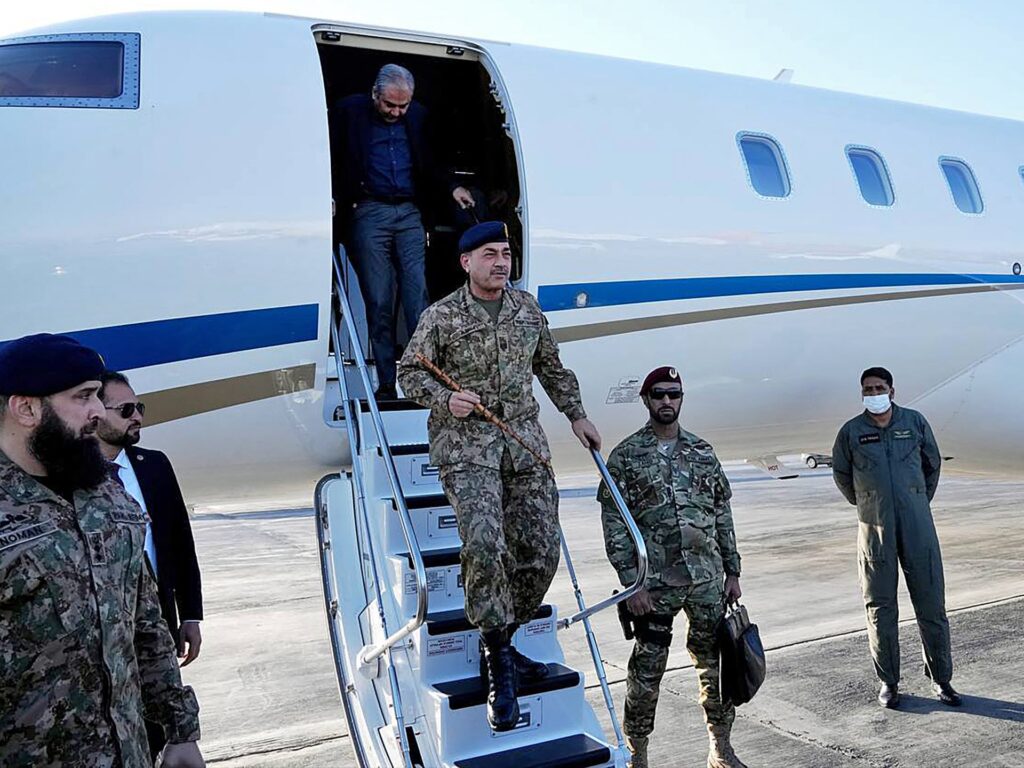
In a significant diplomatic development, the Pakistan Army Chief has arrived in Tehran to engage in discussions aimed at advancing the next phase of US-Iran talks. These talks primarily focus on Iran’s nuclear program, a contentious and critical issue in international relations.
According to sources cited by Al Jazeera, Pakistani mediators involved in the dialogue express optimism about achieving a breakthrough. This hopeful stance comes as tensions over Iran’s nuclear ambitions have persisted, with global powers seeking to ensure that Iran’s program remains peaceful.
Pakistan’s involvement as a mediator underscores its strategic position and willingness to facilitate dialogue between the United States and Iran, two nations with a long history of strained relations. The presence of the Pakistan Army Chief in Tehran highlights the importance Pakistan places on this peace-building effort, signaling a commitment at the highest military level.
The discussions are expected to address various aspects of the nuclear program, including monitoring mechanisms, compliance with international agreements, and assurances from Iran regarding the peaceful nature of its nuclear activities. These talks form part of broader diplomatic efforts to revive and strengthen agreements that limit Iran’s ability to develop nuclear weapons.
Analysts believe that Pakistan’s role could be pivotal in bridging gaps between US and Iranian positions by leveraging its regional influence and diplomatic channels. The move also reflects Pakistan’s interest in regional stability and its desire to prevent escalation of conflict in a geopolitically sensitive area.
The international community has been closely monitoring these talks, viewing them as a potential turning point in the long-standing diplomatic impasse. Success in these negotiations could lead to easing of sanctions on Iran and a reduction of tensions in the Middle East.
The Pakistani military leadership’s direct involvement in this diplomatic process marks a new chapter in Pakistan’s foreign policy, blending military diplomacy with traditional political efforts. It indicates an integrated approach to national security and regional diplomacy.
As talks progress, all parties involved remain cautious yet hopeful that collaborative efforts will yield a constructive outcome. The visit by the Pakistan Army Chief to Tehran serves as a catalyst for renewed dialogue, aiming to foster trust and mutual understanding between the involved nations.
This development also highlights the intricate nature of global diplomacy where military leaders sometimes play crucial roles in peace negotiations. The ongoing US-Iran talks facilitated by Pakistan could redefine regional alliances and contribute to global non-proliferation goals.
The world watches closely as Pakistan continues to navigate this delicate diplomatic terrain, striving to shape a future where peaceful resolution and regional security prevail.
Further updates are expected as the discussions unfold, with the international community eager to see positive results from this strategic engagement.