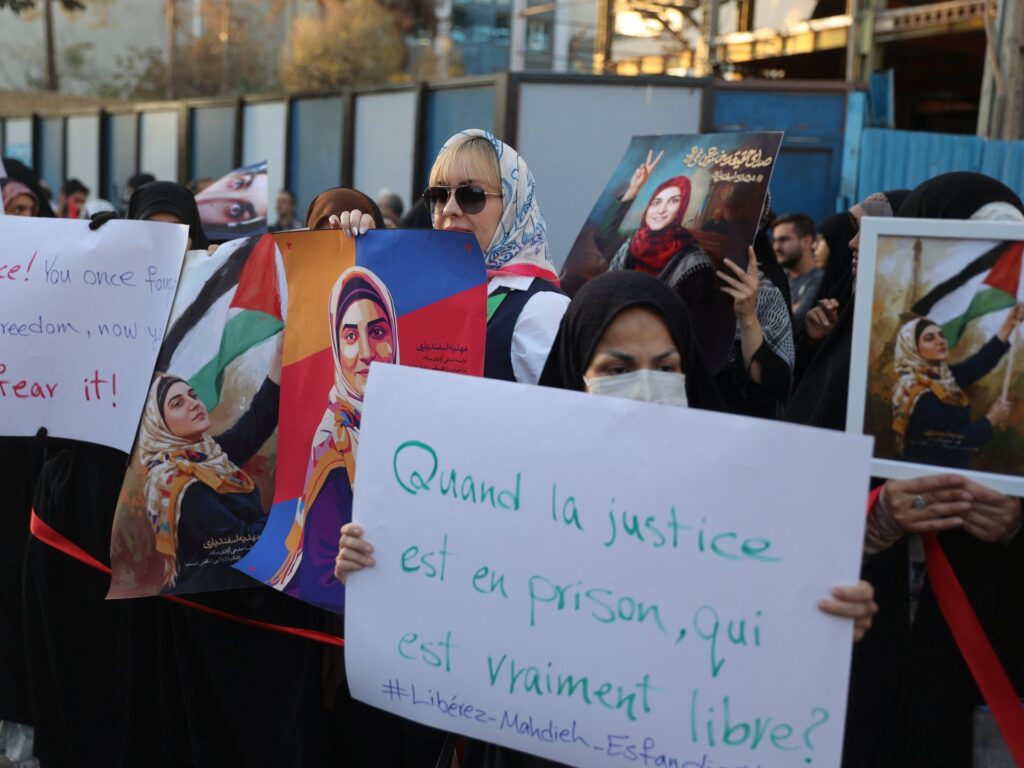
Mahdieh Esfandiari, an Iranian citizen detained in France due to her pro-Palestine comments, has been released and returned to Iran. This development comes shortly after Iran freed two French citizens who were held on espionage charges, signaling a possible easing of tensions between the two countries.
Esfandiari’s arrest in France had attracted considerable attention due to the charged political context surrounding pro-Palestine advocacy and expression rights in Europe. Her return to Iran marks an important moment in a series of diplomatic exchanges between the two nations.
The recent release of the two French nationals from Iranian custody on espionage allegations was seen as a significant goodwill gesture. The reciprocal release of Esfandiari suggests a potential thaw in the often fraught Franco-Iranian relations.
Diplomatic sources indicate that these moves could pave the way for improved dialogue on broader issues, including cultural exchange, security cooperation, and mutual legal assistance.
Observers have noted that the handling of Esfandiari’s case by French authorities highlights the delicate balance Western countries strike when managing free speech and security concerns, especially in the context of Middle Eastern political issues.
The issue of pro-Palestine activism remains highly sensitive globally, reflecting broader geopolitical tensions. Esfandiari’s case underscores the complexities faced by individuals involved in such advocacy, especially when they hold dual or foreign citizenship or reside abroad.
Her release and swift return home have been welcomed by Iranian officials as a positive step towards fostering better bilateral relations. It also serves as an example of how diplomatic negotiations can lead to tangible outcomes in cases involving citizens caught in international disputes.
The broader implications of these releases point towards a tentative easing of hostilities between Iran and France, which have experienced strained diplomatic relations in recent years due to various geopolitical conflicts, sanctions, and espionage allegations from both sides.
Human rights groups and international observers have expressed cautious optimism, hoping that these developments might lead to greater respect for individual rights and improved mechanisms for resolving cross-border legal issues.
Meanwhile, the situation brings renewed focus on the importance of diplomatic engagement in resolving complex legal and political cases involving foreign nationals. It also highlights the interconnectedness of freedom of expression, international relations, and human rights in the contemporary global landscape.
As Esfandiari resumes her life in Iran, her case remains a potent reminder of the challenges faced by activists and citizens navigating the geopolitics of the Middle East and Europe. Her story illustrates the sometimes perilous intersections between personal expression, political activism, and international diplomacy.