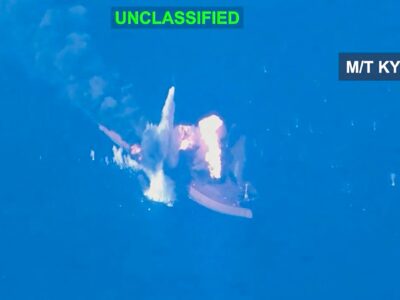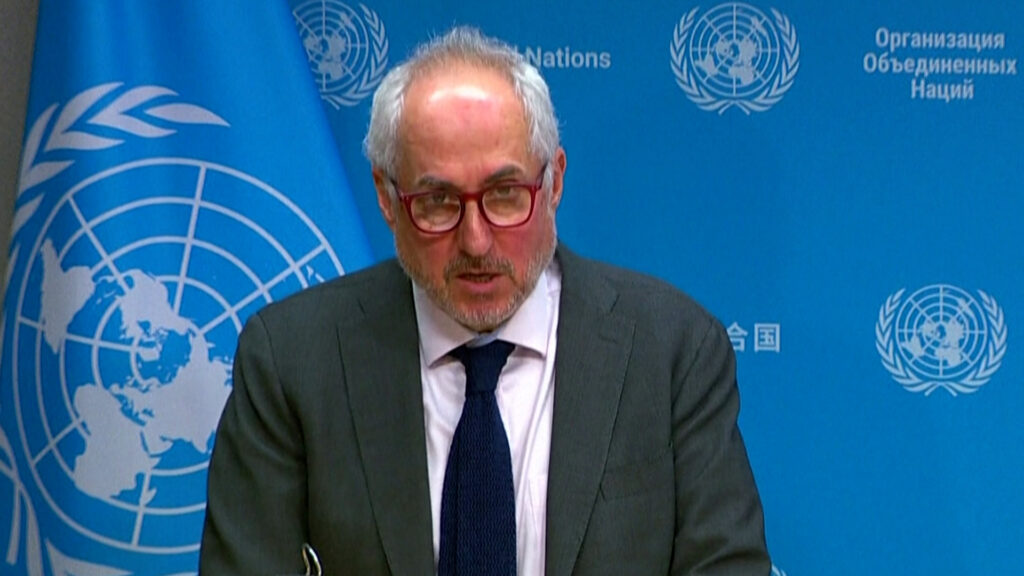
The United Nations Secretary-General has urged all parties involved to respect the freedom of navigation in the Strait of Hormuz, a crucial maritime passageway that links the Persian Gulf with the Gulf of Oman and the Arabian Sea. This call comes amid ongoing tensions in the region, which have raised concerns over the security and stability of this key international waterway. The Strait of Hormuz is one of the world’s most strategically important choke points for global oil shipments, with about 20% of the world’s petroleum passing through it daily. Ensuring the safe and free passage of vessels through the Strait is vital not only for regional economies but also for the global energy market.
The Secretary-General emphasized that the freedom of navigation through international waters is a principle enshrined in international law and must be upheld by all nations and groups operating in the area. He called upon relevant stakeholders, including coastal states and international partners, to engage in dialogue and cooperation to prevent any incidents that could escalate tensions.
In recent years, the Strait of Hormuz has seen several incidents involving naval vessels and commercial ships, escalating geopolitical strains and raising fears of a broader conflict. The UN’s appeal aims to de-escalate the situation and promote peaceful resolution of disputes.
The international community has expressed concern over potential disruptions in this narrow waterway, highlighting the global implications of any interruption to maritime traffic. The call by the Secretary-General reinforces the importance of international maritime law, including the United Nations Convention on the Law of the Sea (UNCLOS), which governs rights and responsibilities in the world’s oceans.
Shipping companies and countries dependent on energy imports have welcomed the UN’s statement, reaffirming their interest in the stability of the Hormuz Strait. Energy security experts warn that any blockage or interference would cause significant economic repercussions worldwide.
The Secretary-General’s statement also underscores the broader UN commitment to peace, security, and international cooperation in resolving conflicts and maintaining global trade routes.
As tensions in the region continue to fluctuate, the UN’s call serves as a timely reminder of the critical importance of respecting navigation freedoms and upholding international maritime regulations in the Strait of Hormuz. All parties involved are encouraged to prioritize diplomatic efforts and to work collectively toward ensuring that this vital corridor remains open, safe, and accessible to all.