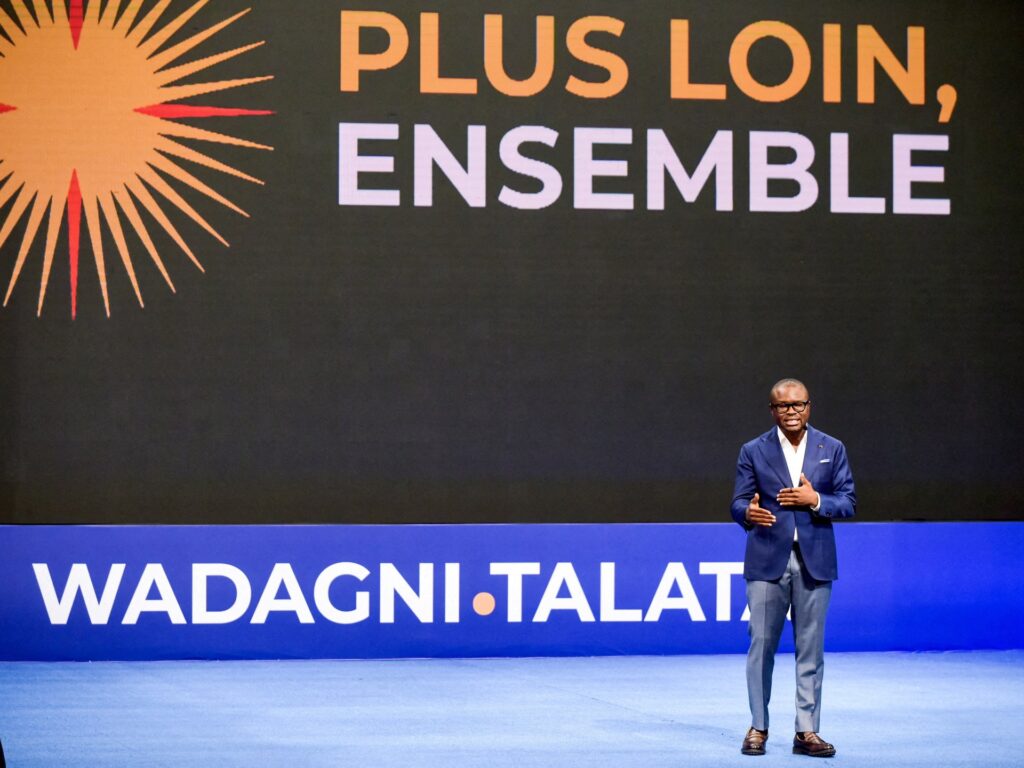
The presidential election in Benin is shaping up with government candidate Wadagni appearing to secure a strong lead towards victory. As the votes are being tallied, indications point to Wadagni becoming the country’s next president. This development is significant not only politically but also in the context of the challenges facing the nation.
Wadagni’s potential presidency comes at a critical time for Benin, which is grappling with several pressing issues. Among the most urgent are the serious security concerns in the northern regions of the country. These areas have been plagued by instability and threats that have heightened tensions and posed a challenge to maintaining peace and order.
In addition to security, the incoming administration will face the complex task of improving living standards for the Beninese population. Economic difficulties, access to basic services, and social welfare are key areas where many citizens are calling for progress and reforms. The government’s ability to address these issues will be crucial in shaping the country’s future.
Wadagni’s background as a government candidate suggests he has experience within the current political framework, which may influence his approach to governance and reforms. The electorate’s choice reflects an expectation that he can navigate the delicate balance between maintaining stability and introducing necessary changes.
The northern security challenges stem from a range of factors, including regional unrest and threats from extremist groups, which require coordinated efforts between local authorities and international partners. Success in improving security will be vital to creating an environment conducive to development and investment.
Economically, Benin faces hurdles such as unemployment and inflation, which impact everyday life for citizens. The incoming president will need to craft policies that stimulate economic growth, encourage entrepreneurship, and improve infrastructure.
Socially, issues such as education, healthcare, and housing remain priorities. Enhancing access and quality in these sectors is essential for raising the overall quality of life and ensuring equitable development across the country.
The election results highlight a political mandate for Wadagni, but they also underscore the expectations and responsibilities that come with leadership. Citizens will be watching closely to see how quickly and effectively the new president addresses these multifaceted challenges.
The international community has expressed interest in Benin’s peaceful electoral process and is hopeful for continued stability and partnership under the new administration. Support from global partners may play a role in assisting the country through its transitional period and supporting development initiatives.
As the situation develops, attention will remain on how Wadagni consolidates power, forms his government, and implements his vision for Benin. The success or failure of his presidency may significantly impact the region’s stability and development trajectory.
Overall, Wadagni’s imminent presidency marks a pivotal moment for Benin, poised at the intersection of opportunity and challenge, with the potential to shape its political and socio-economic landscape for years to come.