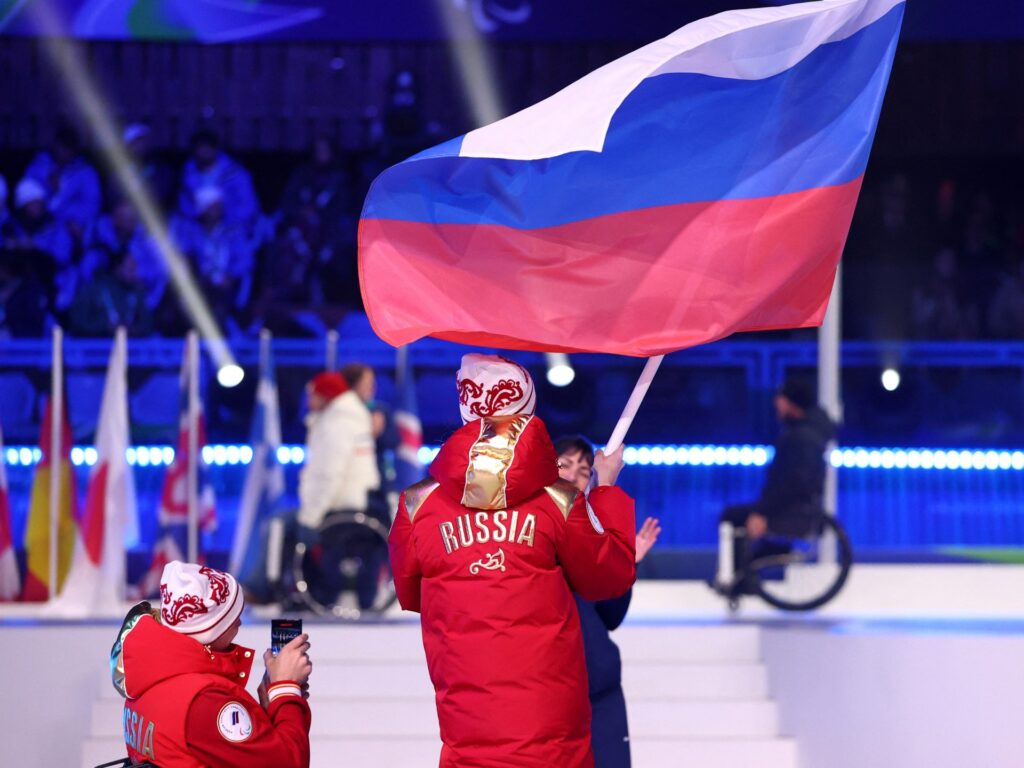
In a significant development in the world of international sports, swimming’s leading bodies have decided to remove flag and anthem restrictions imposed on Russian and Belarusian swimmers. This move marks a further easing of limitations previously enacted due to geopolitical tensions and sanctions.
The decision allows athletes from Russia and Belarus to compete under their national flags and hear their national anthems during medal ceremonies, reinstating a sense of national pride and recognition often considered integral to international sports events.
Background:
Since the onset of political conflicts and subsequent sanctions, many international sports organizations had barred Russian and Belarusian athletes from competing under their national symbols. The restrictions included bans on the display of their flags and the playing of their anthems at competitions. These measures were intended as a response to the geopolitical situation and aimed to maintain neutrality within sports.
Easing Restrictions:
The latest reversal is part of a larger trend where several sports governing bodies are reassessing their stance, signaling a potential softening in the treatment of athletes from these nations. Swimming organizations, known for promoting inclusivity and fair competition, have now allowed these athletes to reclaim the symbols of their nationality.
Implications:
For athletes from Russia and Belarus, this change represents more than symbolic restoration—it is an acknowledgment of their individual dedication and achievements independent of political circumstances. It also allows for a more authentic representation of countries during high-profile international meets.
Community and Global Reaction:
The move has been met with mixed reactions globally. Supporters argue that sports should transcend politics and provide a platform for unity and cultural exchange. Critics, however, believe that lifting restrictions prematurely might undermine ongoing geopolitical concerns.
Looking Forward:
As the international sports community navigates the complex intersection of politics and competition, this decision could set a precedent for other organizations. It raises important questions about the role of sports in diplomacy, athlete representation, and the balance between global political realities and the spirit of competition.
Conclusion:
The removal of flag and anthem restrictions for Russian and Belarusian swimmers not only reinstates national identity for these athletes but also marks a step towards healing divisions within the global sports fraternity. It reflects an evolving perspective on the intersection of sports and politics, highlighting the powerful role of sport as a unifying force across nations.