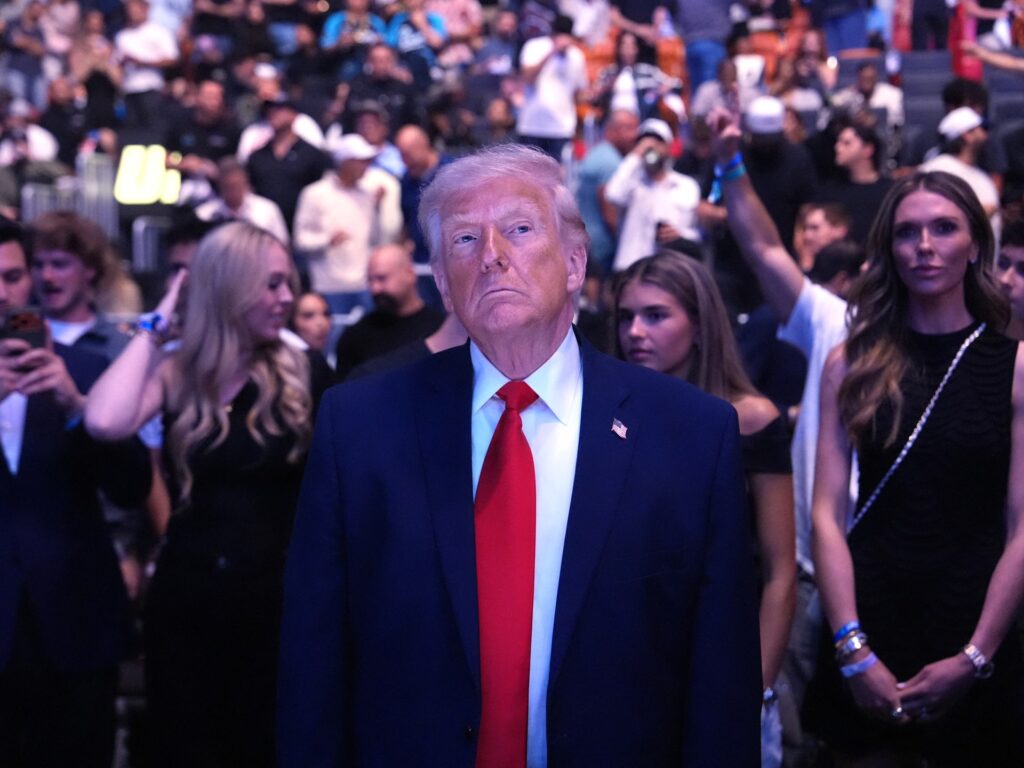
In a significant escalation of tensions in the Middle East, former President Donald Trump has ordered a naval blockade of the Strait of Hormuz after the collapse of peace negotiations between the United States and Iran. Trump condemned Iran for blocking access to this critical waterway, which is vital for global oil shipments, and voiced frustration over the failure to reach a deal in Pakistan, where talks were held but ultimately did not yield an agreement.
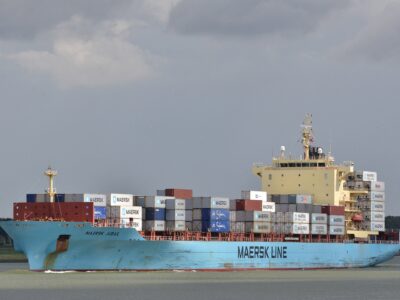
The US Navy will be tasked with enforcing the blockade to ensure the free flow of maritime traffic in the Strait of Hormuz, a strategic chokepoint through which approximately 20% of the world’s petroleum passes. Trump described the situation as being “blown to hell,” highlighting the severity of the dispute and signaling a hardline approach.
The failed peace talks had raised hopes for a diplomatic resolution to ongoing conflicts in the region, but the breakdown now risks further instability. Iran’s previous actions in blocking the waterway had already heightened tensions with the US and its allies, who view free navigation as essential for regional security and the global economy.
Trump’s announcement marks a direct and forceful response to Iran’s provocations, emphasizing US commitment to maintaining control over critical maritime routes. The move is expected to increase military presence in the region and could lead to confrontations at sea.
Experts warn that the blockade and rising tensions may disrupt global oil markets and exacerbate existing geopolitical conflicts. The international community is closely monitoring developments, urging restraint and calling for renewed diplomatic efforts to prevent escalation.
In summary, the US order for a blockade of the Strait of Hormuz is a dramatic shift following unsuccessful peace negotiations with Iran, underscoring the fragile nature of diplomacy in the region and the potential for increased conflict if stability is not restored.