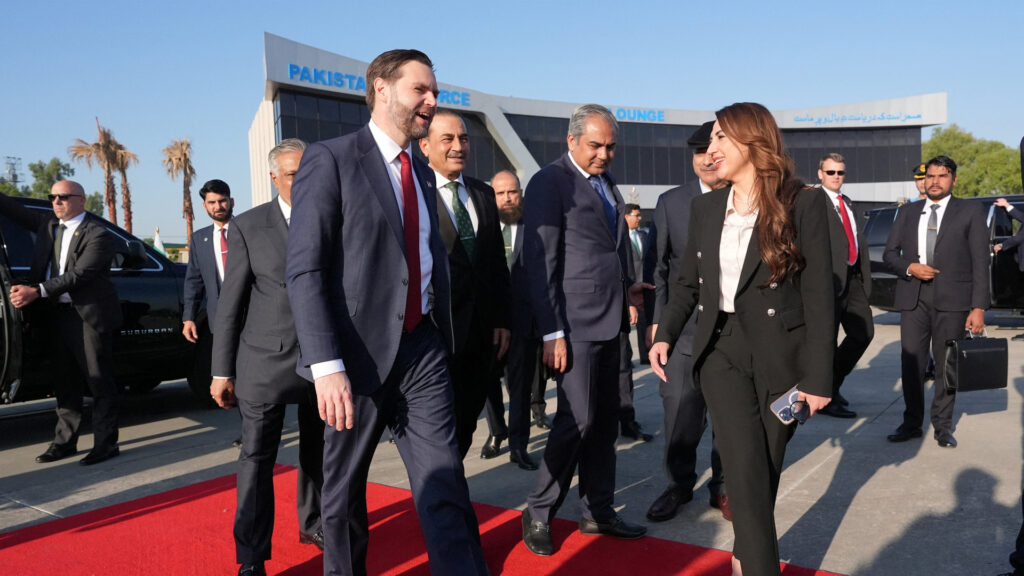
In a significant development, high-level talks between the United States and Iran held in Pakistan concluded recently without reaching an agreement. These discussions marked the first such engagement between the two nations in several years, raising hopes for a resolution to ongoing tensions. Despite the historic nature of the talks, the two parties were unable to find common ground on key issues.
The talks aimed at addressing the increasing hostilities and potential pathways to end conflicts associated with Iran’s regional influence and its nuclear program. US representatives sought concrete commitments from Iran regarding its nuclear activities, aimed at ensuring non-proliferation and reducing regional instability. Iran, on the other hand, demanded the lifting of economic sanctions that have severely impacted its economy, insisting these must be addressed as part of any deal.
Key points of contention included disagreements over the scope and verification mechanisms of Iran’s nuclear program. The United States pushed for stringent inspection rights and a clear timeline to curb nuclear advancements, while Iran resisted measures perceived as intrusive or undermining its sovereignty. Additionally, the US demanded Iran’s curtailment of support for proxy groups in the Middle East, a demand that Iran did not accept easily.
Economic sanctions formed a critical issue in the negotiations. Iran called for the removal of sanctions related to its oil exports and access to international financial systems, which it argued were crucial for the country’s recovery from economic hardship. The US, while open to easing some sanctions, maintained that any relief would be contingent upon Iran’s compliance with nuclear terms and regional behavior.
The talks also highlighted the broader geopolitical complexities, with Pakistan playing the role of host in hopes of facilitating dialogue but facing challenges as both parties remained staunch on their positions. Observers note that underlying distrust and conflicting interests continue to hinder progress.
Although the outcome was disappointing for advocates of diplomacy, the talks represent a critical step in diplomatic engagement after a prolonged hiatus. Analysts suggest that without mutual compromises, future dialogues may also face similar hurdles. The international community continues to monitor developments closely, hopeful that renewed efforts can eventually lead to a peaceful resolution.
In summary, the US-Iran talks in Pakistan ended without an agreement due to fundamental disagreements over nuclear program restrictions, sanction relief, and regional policies. The absence of a deal underscores the ongoing complexities in US-Iran relations and the challenges inherent in resolving decades-long tensions through diplomacy alone.