The United Kingdom has decided to pause its plan to return the Chagos Islands, an Indian Ocean archipelago currently home to the strategically important US-UK military base on Diego Garcia. This decision comes amid strong opposition from the United States, which has expressed concerns over the potential impacts on its military operations.
The Chagos Islands, comprising over 60 small islands, have long been a subject of international controversy. The archipelago was detached from Mauritius by the UK in the 1960s prior to Mauritius gaining independence. This move has been regarded by many in the international community as a violation of international law, particularly following rulings by the International Court of Justice and the United Nations General Assembly, which have called for the islands to be returned to Mauritius.
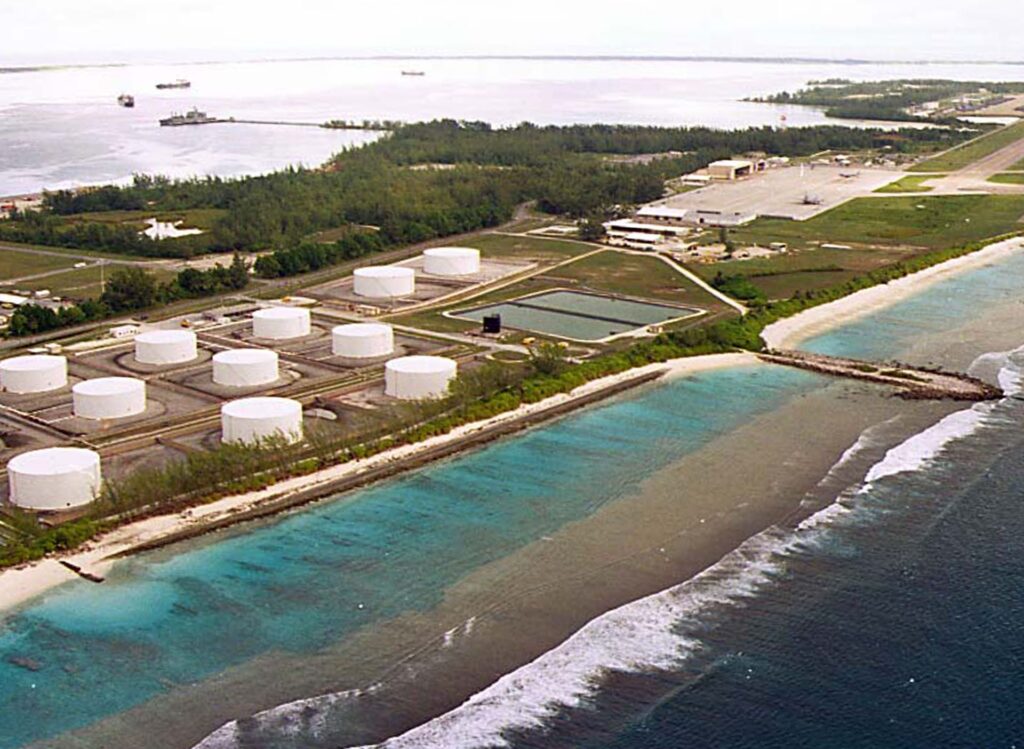
Under the current agreement, the UK administers the islands but leases Diego Garcia to the United States. Diego Garcia is a critical military base used by the US for operations across the Middle East, Africa, and Asia, playing a vital role in global military strategy and intelligence.
The UK government had introduced a bill outlining the plans for the return of the Chagos Islands to Mauritius, aiming to resolve the decades-long dispute and to comply with international legal opinions. However, the bill has now been put on hold following resistance from the US government, which is concerned that changing sovereignty could disrupt military operations and impact security arrangements.
Officials from both countries have engaged in discussions to explore alternative solutions that might address the US security imperatives while honoring the legal and moral claims of Mauritius over the islands. The UK remains committed to seeking a resolution that respects international law and balances the strategic alliance with the US.
While Mauritius has welcomed the UK’s initial plans to return the islands, the delay has led to some frustration among Mauritian leaders and human rights advocates who view the continued UK administration as a denial of sovereignty and displacement of the local Chagossian community.
The United States has communicated the importance of the Diego Garcia base not only for American national security but also for regional stability, humanitarian missions, and counterterrorism efforts. Any transition of control, they argue, must safeguard these strategic interests.
The future of the Chagos Islands remains uncertain as diplomatic negotiations continue. The UK faces the challenge of balancing its international legal obligations and moral responsibilities with its longstanding defense partnership with the United States.
The UK government’s pause on the bill signals a cautious approach as it weighs the geopolitical and military implications alongside the aspirations of the Mauritian people and the displaced Chagossian population. Meanwhile, global attention remains focused on how the situation will unfold and whether a compromise that respects all stakeholders can be achieved.
The Chagos Islands saga underscores broader themes of colonial legacy, sovereignty disputes, and the complexities of modern geopolitical alliances. As international pressure mounts, the UK’s handling of the issue could set a precedent for resolving other territorial disputes with historical and strategic dimensions.
In the meantime, the Chagossian community continues to advocate for the right to return to their homeland, which was depopulated in the late 1960s and early 1970s to make way for the US military base. Their plight has garnered support from various international human rights organizations, adding another layer to the debate.
The coming months are likely to see intensified diplomatic efforts, with stakeholders from the UK, US, Mauritius, and international bodies engaging in dialogues aimed at finding a mutually acceptable solution. The interplay between international law, strategic military interests, and the rights of displaced populations remains at the core of this complex issue.