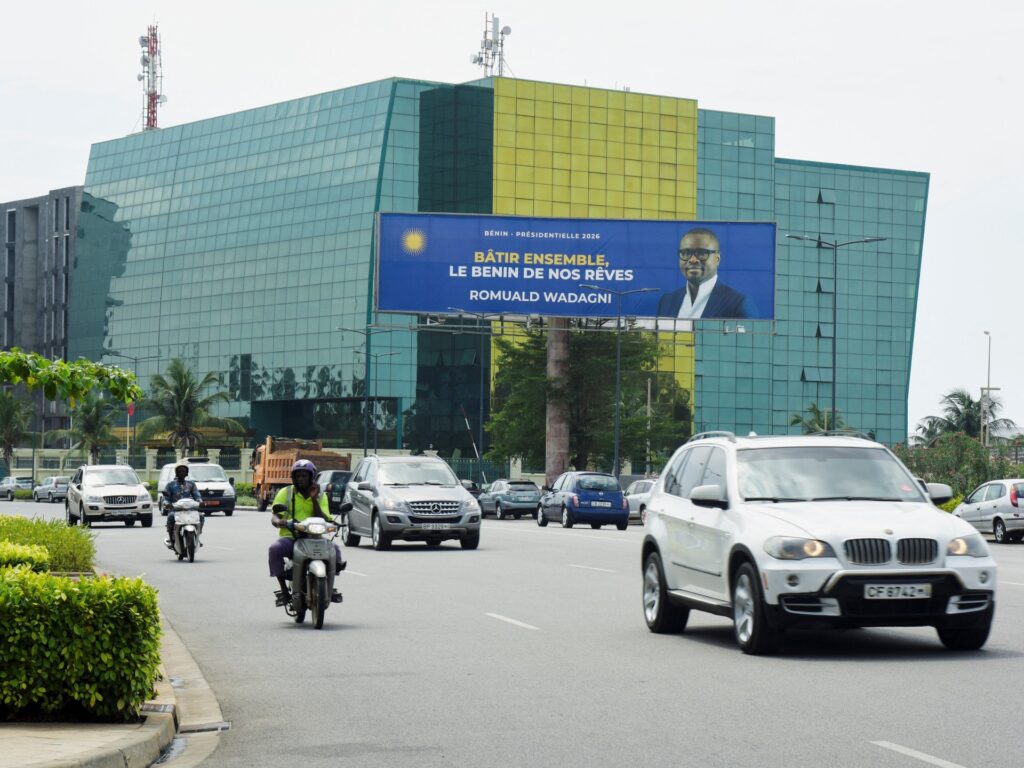
Benin is on the brink of a pivotal presidential election scheduled for Sunday. This election holds significant national and regional implications as President Patrice Talon, who has led the country for the past decade, is stepping down due to term limits. His departure opens the field to new leadership and tests the democratic process in the West African nation.
The front-runner in the race is the current Finance Minister, who has emerged as the favourite among voters. Known for his economic acumen and policy experience, the Finance Minister’s potential victory could signal continuity in economic reforms and fiscal management initiated under Talon’s administration. This would reassure investors and international partners keen on stability and growth in Benin’s economy.
President Talon’s tenure has been marked by efforts to modernize Benin’s infrastructure, stimulate economic growth, and improve governance. However, his time in office has also seen criticisms over democratic backsliding and constraints on political freedoms. With his exit, the election poses questions about the future direction of governance and civil liberties in Benin.
The election is also a test of Benin’s democratic institutions. A peaceful, transparent, and credible election process will reinforce confidence in the country’s political system. Conversely, any irregularities could provoke unrest and challenge the legitimacy of the new administration.
Regional neighbors and international observers are closely monitoring the election, considering Benin’s strategic role in West Africa. The outcome will influence regional stability and the fight against security challenges such as terrorism and trafficking.
Voters are motivated by hopes for sustained development, job creation, and improved social services. The election discourse has highlighted important issues including economic diversification, education, healthcare, and combating corruption.
In summary, Benin’s presidential election is not only a moment of political transition but a critical juncture for the nation’s democratic evolution and socio-economic trajectory. The Finance Minister’s apparent lead makes him the candidate to watch, poised to potentially continue the incumbent’s economic policies while facing the challenge of addressing the democratic concerns that have surfaced during the last decade of leadership.