Israel and Hezbollah have recently witnessed a decrease in the intensity of their exchanges, marking a notable but cautious shift in their ongoing conflict. On Friday, both parties continued to trade attacks, yet the frequency and scale of these incidents were significantly reduced compared to previous days, sparking discussions about the potential for ceasefire negotiations.
The conflict between Israel and Hezbollah has been characterized by sporadic but intense confrontations, deeply rooted in decades of political and territorial tensions. The recent de-escalation, while limited, provides a window of opportunity that some observers believe could lead to dialogue between the warring factions.
Several factors contribute to this moment of relative calm. Both Israel and Hezbollah may be recalibrating their strategies, assessing the costs of continued fighting against the benefits of negotiation. There is also increased international pressure for a ceasefire, as regional and global stakeholders express concerns about the humanitarian impact of the conflict and the risks of broader instability.
Israeli officials have indicated a willingness to consider talks, provided that Hezbollah commits to halting rocket attacks and hostilities along the border. Meanwhile, Hezbollah has not officially declared an openness to ceasefire discussions but has shown signs of moderating its rhetoric, suggesting a pragmatic approach amid mounting casualties and economic strain.
The path to formal ceasefire talks, however, remains complex and fraught with challenges. Deep-seated mistrust between the parties, divergent political objectives, and the influence of external actors all complicate negotiations. Previous attempts at ceasefire have been fragile and short-lived, often unraveling due to incidents that reignite tensions.
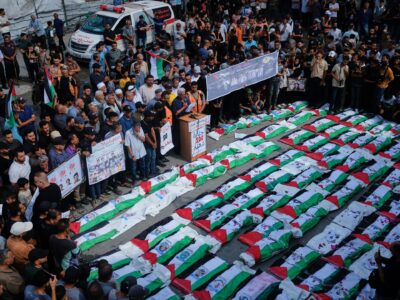
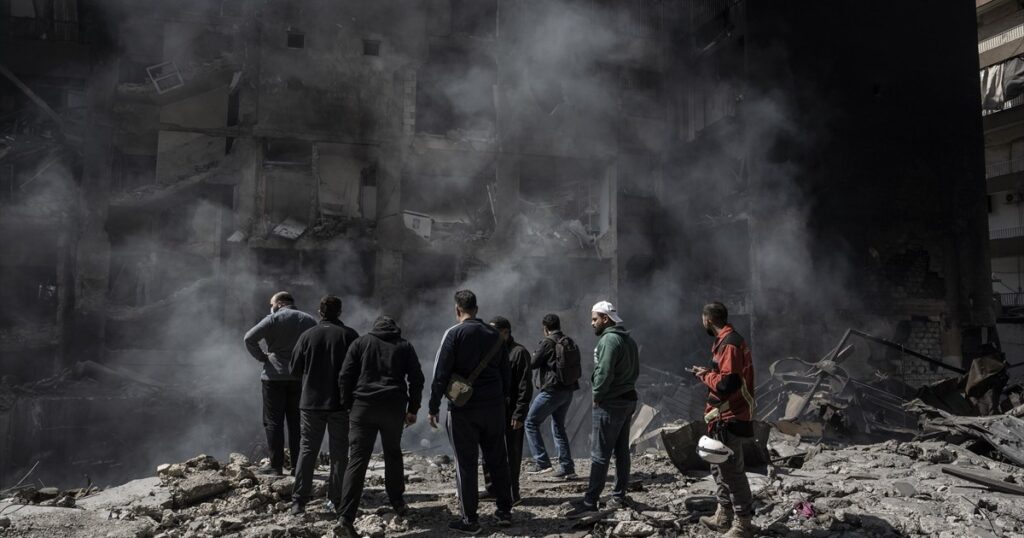
Humanitarian organizations on the ground are advocating for immediate cessation of hostilities to allow for aid delivery and reconstruction. The civilian populations in affected areas suffer greatly from the violence, facing displacement, infrastructure damage, and loss of life.
In addition to the military and political dimensions, economic implications also weigh heavily. The prolonged conflict disrupts trade and regional economies, creating additional incentives for both Israel and Lebanon to explore peaceful resolutions.
Analysts caution that while the reduction in attacks is a positive sign, it should not be mistaken for a lasting peace treaty or comprehensive ceasefire agreement. Instead, it may represent a strategic pause or a prelude to more significant diplomatic engagements.
The coming weeks will likely be critical in determining whether these preliminary signs of de-escalation can be converted into meaningful ceasefire talks. The international community, including the United Nations, continues to monitor the situation closely, offering mediation efforts and support for conflict resolution.
In summary, while Israel and Hezbollah continue to exchange attacks, albeit at a reduced pace, the possibility of initiating ceasefire talks remains on the horizon. Success will depend on a combination of political will, reciprocal concessions, and sustained international diplomacy aimed at breaking the cycle of violence and fostering long-term stability in the region.