Iran has issued a stark warning to the United States, stating it ‘would be dumb’ for Washington to allow Israeli Prime Minister Benjamin Netanyahu to derail efforts at diplomacy. This statement comes amid escalating tensions following Israeli attacks on Lebanon and amid increasing criticism from international figures such as JD Vance.
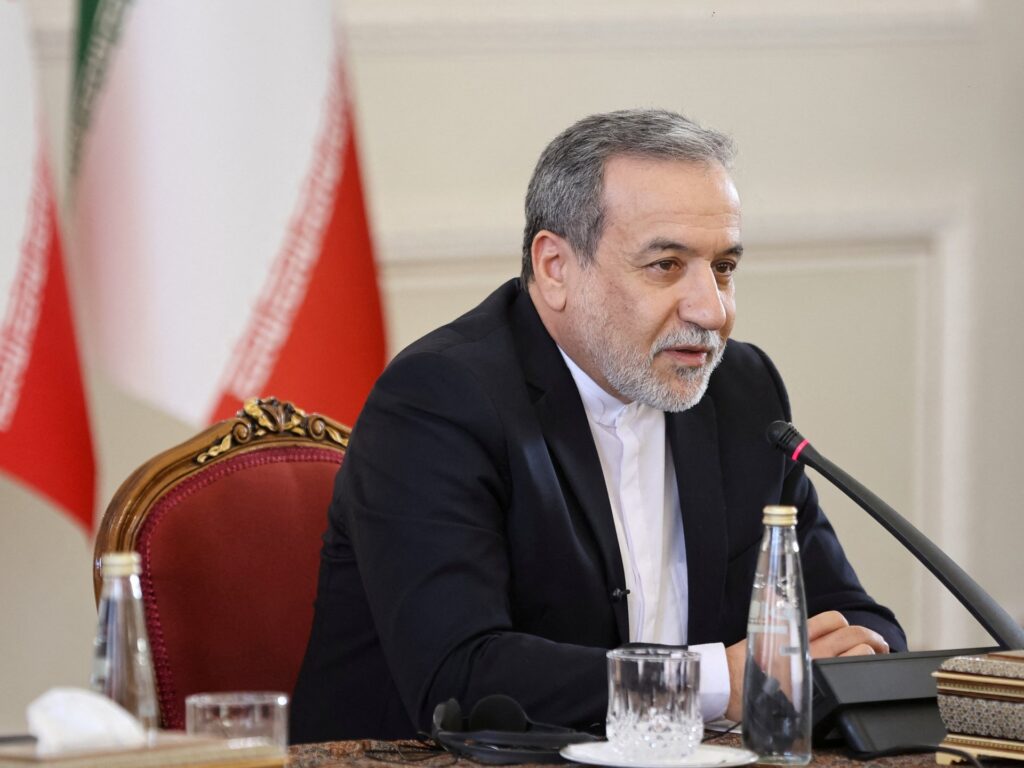
In an implicit response to US political commentary, Iran’s senior diplomat Abbas Araghchi emphasized the serious repercussions that could result from Israel’s military actions against Lebanon. Araghchi’s remarks underscore the precarious nature of the region’s stability and caution against actions that could escalate conflict.
The Iranian warning highlights the complex geopolitical interplay in the Middle East, where the United States and Israel maintain a close alliance, often leading to tensions with Iran, a key regional power. Iran’s assertion points to a potential diplomatic setback if Israel continues its aggressive posture.
Araghchi stressed that allowing such aggression to continue unchecked could undermine years of diplomatic efforts aimed at ensuring peace and stability in the region. He implied that US support or tolerance of Netanyahu’s policies might lead to increased hostilities and negatively impact broader international relations.
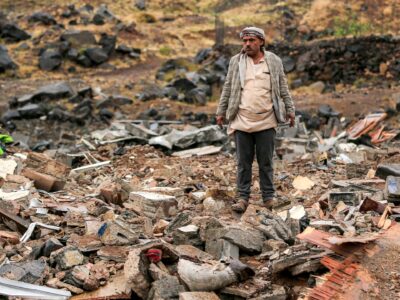
The backdrop to these comments includes recent Israeli military operations targeting Hezbollah positions in Lebanon, which Israeli officials claim are defensive measures against threats along its northern border. However, these actions have drawn international scrutiny and concern over possible escalation.
JD Vance, a US political figure who has commented on Middle Eastern affairs, indirectly drew Iran’s ire by seemingly supporting or justifying hardline Israeli measures. Iran’s response through Araghchi suggests that such positions exacerbate tensions rather than promote peaceful resolution.
Analysts note that Iran’s statement serves as both a caution and a critique of US foreign policy in the region, particularly regarding the close US-Israel relationship and its implications for Lebanon and broader Middle East stability.
The statement by Araghchi also serves to rally Iranian domestic and regional support by projecting a strong stance against perceived aggression from Israel and its allies.
As the international community watches closely, the risk of further conflict looms large, with Iran indicating that any US tolerance of Netanyahu’s strategies could lead to ‘dumb’ outcomes, potentially destabilizing efforts aimed at peace.
Experts suggest that diplomatic channels need reinforcement and that all parties should prioritize dialogue over military action to avoid a broader regional crisis.
This episode highlights the fragile state of Middle East diplomacy and the delicate balance required to manage longstanding conflicts and alliances.
Moving forward, international actors face the challenge of mediating tensions to prevent escalation and preserve the possibility of constructive engagement among Israel, Lebanon, Iran, and the United States.
Iran’s warning underscores the urgency of re-examining strategies in the region and the potential consequences of disregarding diplomatic avenues in favor of military aggression.