Since the recent ceasefire declaration, Lebanon has been struck by a series of devastating Israeli air attacks, resulting in the deaths of more than 250 people. These attacks have sparked widespread condemnation from critics who argue that such actions are deliberately aimed at undermining the fragile peace.
The ceasefire, aimed at halting hostilities and fostering stability in the region, has been severely compromised by the intensity and frequency of these strikes. Analysts suggest that the Israeli military operations are not merely tactical but serve a strategic purpose to weaken Lebanon’s resilience and destabilize any ceasefire momentum.
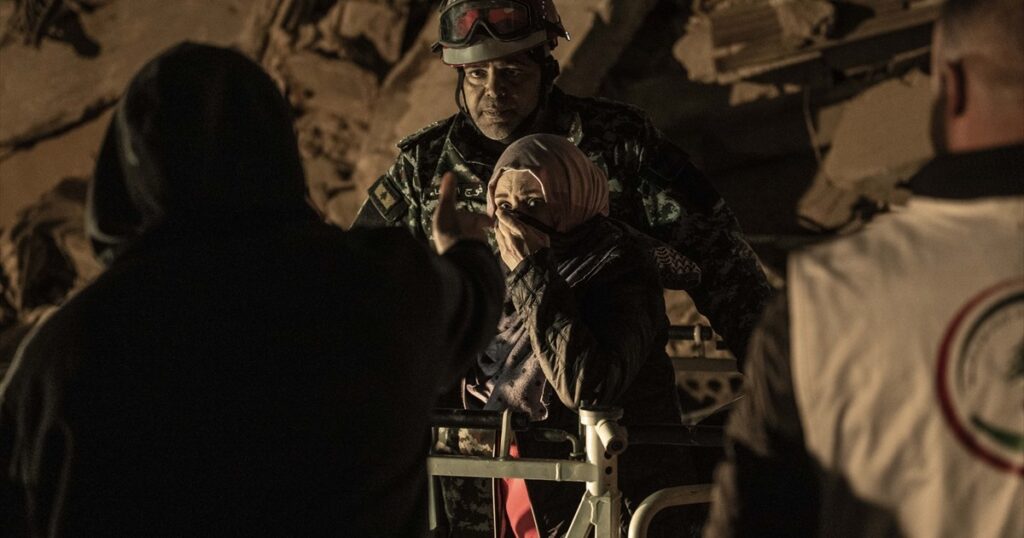
Reports indicate that the air strikes have targeted not only military installations but also civilian areas, exacerbating humanitarian suffering and displacement. The death toll is mounting, with many victims being innocent civilians caught in the crossfire.
International observers and human rights organizations have voiced alarm over the disproportionate use of force and the apparent disregard for civilian safety. They emphasize that such aggressive actions threaten to escalate tensions further, risking a broader regional conflict.
Lebanese officials have condemned the Israeli attacks as violations of international law and called for immediate intervention by the United Nations and other global bodies to enforce the ceasefire terms.
The broader geopolitical implications are significant, with these attacks potentially destabilizing already volatile alliances and undermining ongoing diplomatic efforts. The cycle of retaliation and violence risks dragging neighboring countries deeper into conflict.
The humanitarian crisis is worsening, with hospitals overwhelmed and aid agencies struggling to access affected areas due to ongoing security concerns. This has led to calls for increased international humanitarian assistance and safe corridors for aid delivery.
Critics argue that the continuation of hostilities despite the ceasefire declaration reflects a failure of political leadership and a lack of commitment to lasting peace on both sides. They stress the need for renewed dialogue, accountability, and adherence to ceasefire agreements to prevent further loss of life.
In summary, the Israeli air strikes on Lebanon post-ceasefire have resulted in significant casualties and destruction, drawing widespread criticism for undermining peace efforts. The situation remains volatile, with urgent calls for restraint, humanitarian relief, and reinforced ceasefire enforcement to stabilize the region.