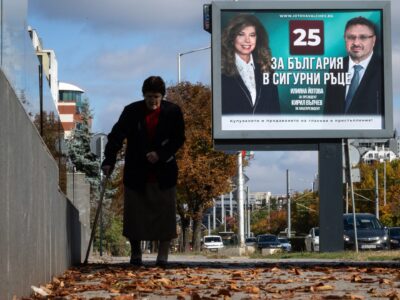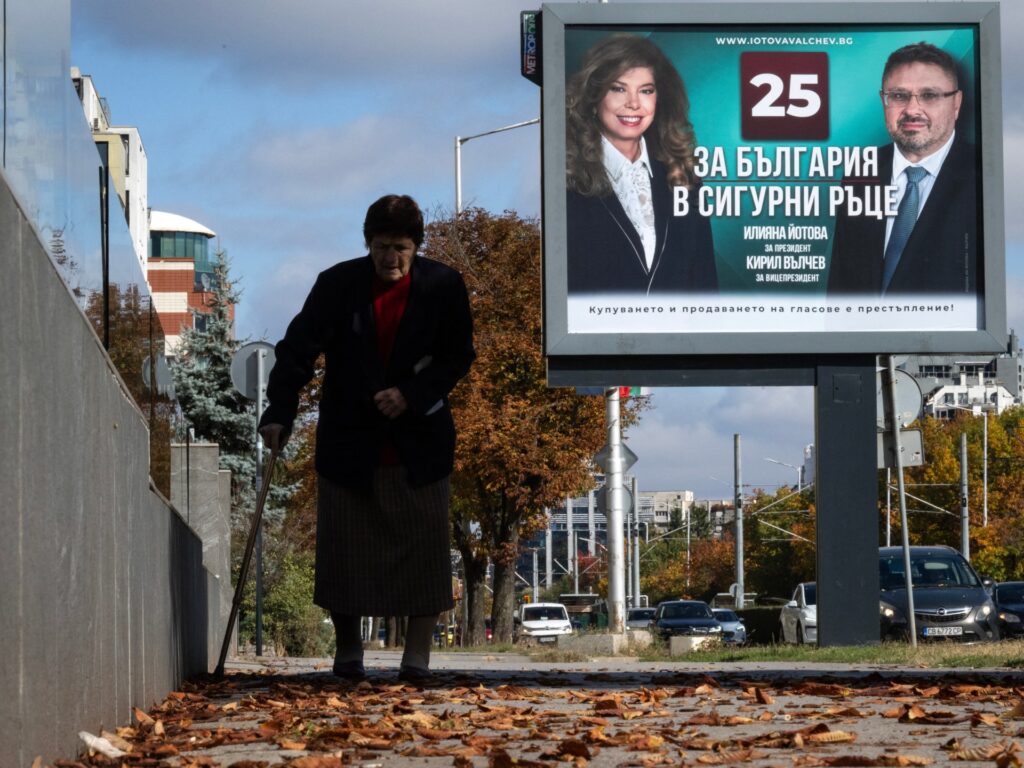
As Bulgaria heads to the polls to elect its president, the ongoing conflict in Ukraine looms large over the election. The two leading presidential candidates have both condemned the recent deadly drone strikes in the Black Sea, an event that has heightened regional tensions. Despite their shared denouncement of these violent acts, the candidates diverge significantly in their perspectives on the broader war in Ukraine.
The conflict, which began in 2022 when Russia launched a full-scale invasion of Ukraine, has not only destabilized Eastern Europe but has also impacted geopolitical dynamics across the continent. Bulgaria, a member of the European Union and NATO, finds itself carefully balancing its political stance, economic interests, and strategic alliances.
One candidate advocates for a strong condemnation of Russia’s actions and supports continuing and even increasing assistance to Ukraine, emphasizing solidarity with democratic values and the defense of sovereignty. This candidate argues that Bulgaria must align closely with EU and NATO policies to ensure regional security and uphold international law.
The other candidate, while condemning the drone attacks, adopts a more cautious approach, expressing concerns about the potential repercussions of deepening involvement in the conflict. This perspective emphasizes diplomatic efforts and cautions against escalating tensions that could adversely affect Bulgaria’s security and economic stability, especially given its geographic proximity to Russia and Ukraine.
The election comes amid increasing public debate and concern over Bulgaria’s role in the conflict. The drone strikes in the Black Sea, which targeted military vessels and resulted in casualties, have intensified fears of the war spilling over and impacting Bulgarian territory or interests.
Public opinion in Bulgaria is divided. Some citizens support a strong, proactive stance against Russia, seeing assistance to Ukraine as a moral and strategic imperative. Others advocate for neutrality, wary of entanglement in a conflict that could bring economic hardship and military risks.
Bulgaria’s historical ties and energy dependencies on Russia further complicate the issue, influencing the candidates’ rhetoric and policy proposals. The nation’s leadership is challenged to navigate these complexities while ensuring national security and supporting European unity.
The presidential election will not only decide Bulgaria’s leadership but also signal the country’s future trajectory in foreign policy amid one of Europe’s most significant conflicts in recent history. As voters cast their ballots, the war in Ukraine remains a central issue—shaping debates, influencing alliances, and defining Bulgaria’s role on the global stage.