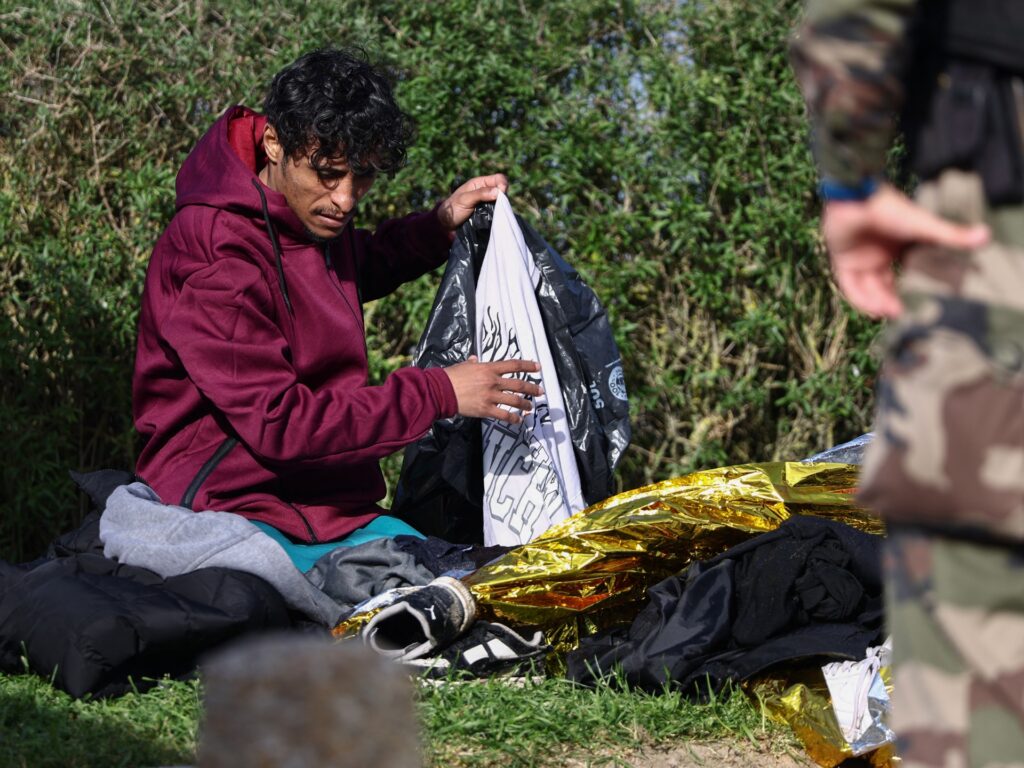
In a tragic incident that highlights the ongoing crisis of asylum seekers attempting to cross the English Channel, four people have died while dozens more were rescued in an attempted crossing from France to the United Kingdom. The event has reignited urgent calls from campaigners and human rights groups for the establishment of safer, legal routes for migrants and asylum seekers.
The English Channel, one of the world’s busiest shipping lanes, has become a perilous crossing point for those fleeing conflict, persecution, and hardship. Each year, thousands risk dangerous journeys in small, overcrowded boats in hopes of reaching the UK. This latest tragedy underscores the high human cost of the absence of safe passage options.
According to authorities, the rescue operation involved multiple agencies responding when distress signals and sightings of overcrowded vessels were reported. Emergency services worked tirelessly to save dozens of people stranded in the Channel’s icy waters. Despite these efforts, four lives were lost, a grim reminder of the perilous conditions endured by migrants.
Campaigners have responded to the news by condemning the policies that they say force vulnerable people into life-threatening situations and calling for comprehensive reforms. They argue that the failure to create safe, legal channels for asylum seekers only drives them towards dangerous routes facilitated by smugglers.
Legal experts and humanitarian organizations emphasize the need for coordinated international responses, highlighting that the Channel crossing is a symptom of broader systemic issues related to migration and asylum policy.
Historically, attempts to curb illegal crossings have included increased surveillance, patrols, and physical barriers, but these measures have not deterred determined migrants. Instead, they have often led to more dangerous attempts and higher fatalities.
The UK government has reiterated its commitment to tackling illegal migration and disrupting smuggling networks but faces criticism for its approach, which some say prioritizes border security over human safety.
France and the UK have agreed to enhance cooperation, including joint patrols and intelligence sharing, to combat illegal crossings, yet the recent deaths highlight the urgent need for solutions that prioritize human life.
International bodies call for expanded humanitarian assistance to support migrants in transit and to improve processing centers’ capabilities where asylum seekers can apply safely.
This tragic event serves as a somber reminder of the urgent need to balance border security with humanitarian obligations and the creation of sustainable, safe migration pathways to prevent further loss of life in the Channel and beyond.