Recent escalations in the Middle East have cast a shadow over the fragile ceasefire between the United States and Iran, as Israel’s military actions in Lebanon threaten to ignite a wider regional conflict. The dispute centers around the exclusion of Lebanon from dialogue channels established by the US and Israel, which has raised serious concerns about the viability of peace efforts in the region.
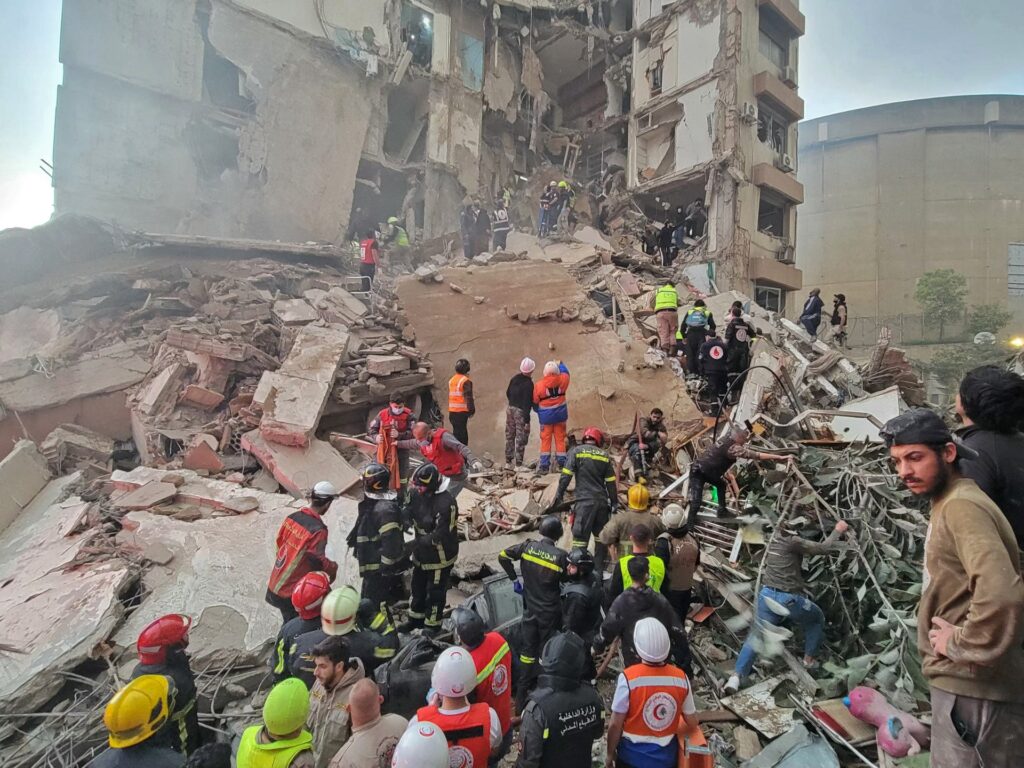
The ongoing Israel-Lebanon tension has intensified with a series of airstrikes and military operations carried out by Israel targeting Hezbollah positions within Lebanese territory. These operations are justified by Israel as necessary for national security and to dismantle threats emanating from militant groups in Lebanon.
However, Lebanon’s exclusion from ceasefire discussions between the US and Iran has fueled frustration and mistrust among Lebanese officials and other regional players. This exclusion is viewed as a strategic blind spot that undermines the comprehensiveness and effectiveness of the ceasefire agreement.
The ceasefire, which was brokered to de-escalate hostilities between the US and Iran, relies heavily on the cooperation of all key actors in the Middle East. By sidelining Lebanon, the agreement risks being perceived as partial and incomplete, potentially provoking retaliatory actions from Lebanese factions.
Moreover, Israel’s unilateral military initiatives could be interpreted as aggressive provocations, undermining diplomatic efforts aimed at stabilizing the region. The potential for these attacks to trigger a broader conflict involving multiple states looms large, threatening to reverse years of diplomatic progress.
Diplomatic analysts warn that the conflict’s escalation could compromise not only regional security but also global economic interests tied to Middle Eastern stability, such as oil supply and trade routes.
Efforts to include Lebanon in the ceasefire negotiations have encountered political and logistical challenges, but experts emphasize that such inclusivity is crucial. Without broad participation, the ceasefire lacks legitimacy and resilience against flare-ups.
At the heart of the issue is a complex network of alliances and enmities that shape Middle Eastern geopolitics. The US seeks to contain Iran’s influence, while Israel pursues security guarantees, and Lebanon grapples with internal political fragmentation influenced by external powers.
To prevent the ceasefire from collapsing, international mediators are calling for renewed dialogue that encompasses all affected parties, including Lebanon. Transparent communication and mutual concessions could create a foundation for a more durable peace.
In conclusion, Israel’s attacks on Lebanon stand as a critical threat to the stability of the US-Iran ceasefire. Resolving this dispute demands a comprehensive approach that integrates Lebanon fully into peace processes, ensuring that regional conflicts do not escalate and jeopardize broader efforts to achieve lasting peace in the Middle East.