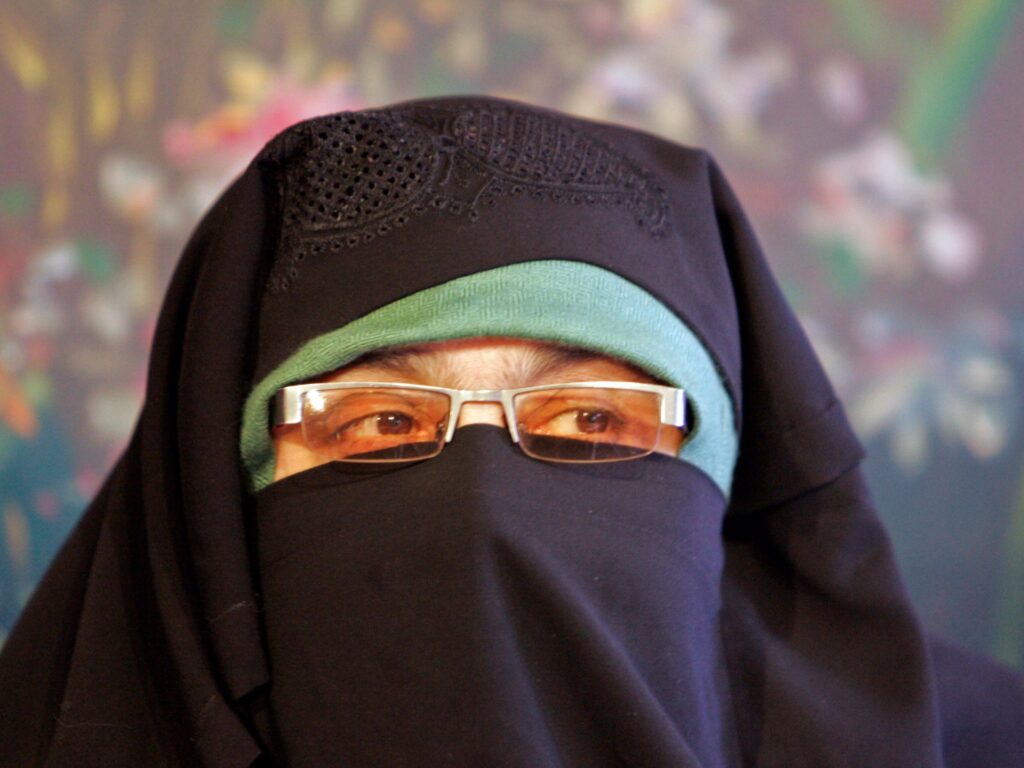
In a significant decision that has sparked widespread debate, Aasiya Andrabi, a 64-year-old grandmother from Kashmir, has been sentenced to three life terms. Legal experts underscore that her harsh conviction primarily stems from her speech-making, which the authorities deemed offensive.
Andrabi, a prominent separatist leader and the head of the Jammu and Kashmir-based group Dukhtaran-e-Millat, has long been a polarizing figure. Known for her staunch advocacy of Kashmiri separatism, her speeches have often attracted government scrutiny. The recent conviction highlights India’s broader pattern in dealing with dissent and separatism, where speech, especially when it challenges the state’s narrative, is met with severe repercussions.
The sentencing has raised critical questions regarding freedom of speech and expression in the region. Legal analysts argue that while the state has a duty to maintain law and order, the imposition of multiple life sentences for speech-related offenses may set a worrying precedent. They point out that such punishments could be perceived as attempts to intimidate dissenters and silence political opposition.
Andrabi’s case is part of a wider trend where activists, journalists, and political figures in Kashmir face stringent charges often linked to their public statements and alleged affiliations. Critics say this approach may stifle democratic engagement and exacerbate tensions in the troubled region.
Supporters of the government contend that Andrabi’s speeches were not mere expressions of opinion but were inflammatory and incited unrest. They argue that the legal action taken against her is justified to preserve public order and national security.
The case also highlights the complexities of the Kashmir conflict, where issues of identity, autonomy, and state sovereignty intertwine. The Indian government’s firm stance against separatism remains unwavering, reflected in its rigorous application of laws to curtail activities perceived as threats.
As the international community watches, concerns about human rights and the treatment of political prisoners in Kashmir have gained prominence. Andrabi’s sentencing may deepen debates on how to balance security concerns with democratic freedoms.
In conclusion, the three life terms handed to Aasiya Andrabi encapsulate a wider pattern of governance in Kashmir—where expressions of dissent, particularly through speech, encounter severe legal consequences. The case calls for a nuanced dialogue on safeguarding both national security and the fundamental rights of citizens, especially in politically sensitive areas.