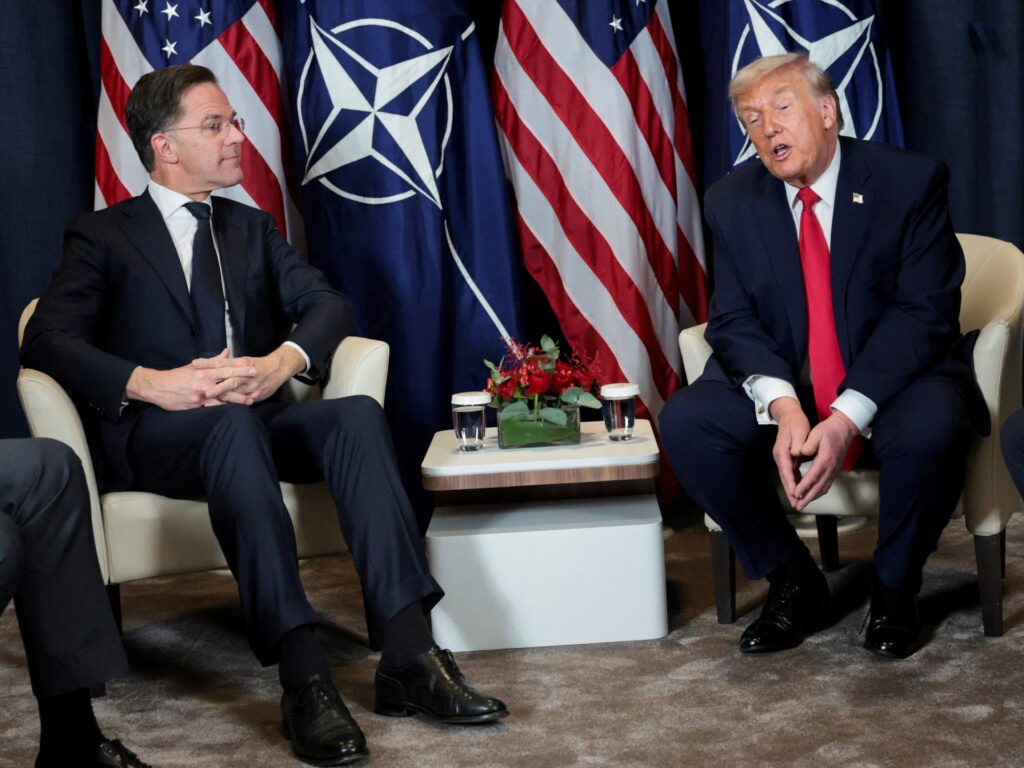
In a significant and controversial signal, the Trump administration has indicated that it is contemplating a withdrawal of the United States from NATO. This potential move arises amidst escalating tensions over the ongoing conflict with Iran, where European NATO partners have reportedly declined to contribute military forces to support the US-led war efforts.
President Trump has expressed strong dissatisfaction with European allies, criticizing them for what he terms a lack of shared responsibility and support in the military campaign against Iran. This criticism highlights broader frustrations within the administration regarding NATO’s role and the burden-sharing dynamics among member states.
The possibility of the US withdrawing from NATO marks a dramatic pivot in American foreign policy, given the alliance’s central role in global security since its establishment in 1949. NATO has been a cornerstone of US and European defense cooperation during the Cold War and beyond, aiming to provide collective security against common threats.
The administration’s stance comes amid rising geopolitical tensions in the Middle East, particularly after a series of escalations with Iran. While the US has taken a hardline approach, seeking to impose strict military and economic measures on Iran, several European nations have been more cautious, prioritizing diplomatic engagement and expressing reluctance to commit troops to an increasingly fraught conflict.
This divergence in approach has sparked intense debate within NATO, revealing fractures in the alliance’s unity. European countries have cited concerns over regional stability and the potential consequences of military escalation, choosing instead to focus on dialogue and economic sanctions.
President Trump’s harsh rhetoric towards NATO allies reflects a broader skepticism about multilateral institutions and a preference for unilateral action, which has characterized much of his foreign policy agenda. By questioning NATO’s utility and America’s commitment to the alliance, Trump signals potential shifts that could reshape international partnerships and the global balance of power.
Experts warn that a US withdrawal from NATO could destabilize the transatlantic security framework, embolden adversaries, and undermine collective defense principles that have maintained peace in Europe for decades. The move could also complicate efforts to address challenges in other regions, including the Middle East and Eastern Europe.
The US administration has not yet made a formal decision, and discussions are reportedly ongoing. The outcome will depend on multiple factors, including diplomatic negotiations with NATO members, domestic political considerations, and evolving circumstances in the Iran conflict.
Meanwhile, NATO leaders have expressed hope that the alliance will endure and remain a vital force for security and cooperation. Statements from European capitals emphasize the importance of unity and burden-sharing in the face of global threats.
As the situation develops, the world watches closely, aware that a potential US withdrawal from NATO would represent one of the most significant shifts in international relations in recent history. The decision will not only affect the immediate military situation but also the broader strategic landscape moving forward.