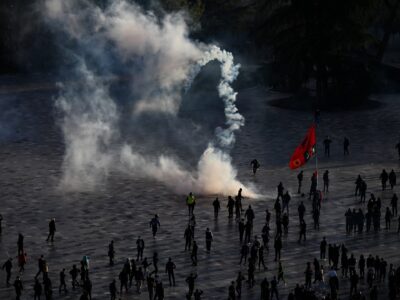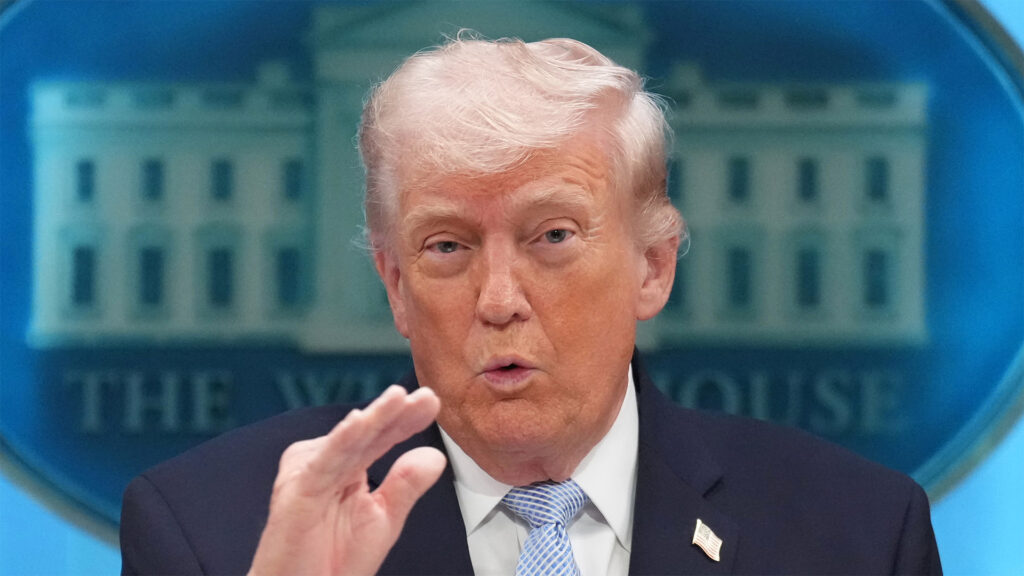
As tensions continue to escalate in the Middle East, particularly regarding the Iran conflict, American public opinion remains deeply divided on the leadership style of former President Donald Trump. Central to this debate is the question of whether Trump’s instinct-driven approach to international crises can be trusted to navigate such a complex and dangerous situation.
Donald Trump’s tenure in office was marked by a distinct style of decision-making that often relied on his personal instincts and gut feelings rather than traditional diplomatic channels or advisory consensus. This approach garnered both fervent support and vehement criticism. Supporters argue that Trump’s unconventional methods could break through entrenched bureaucratic inertia and deliver decisive results. Critics counter that such intuition-led strategies risk oversimplifying multifaceted foreign policy issues and potentially escalating conflicts.
The Iran conflict represents one such multifaceted challenge, involving nuclear proliferation concerns, economic sanctions, proxy uprisings, and regional power dynamics involving multiple state and non-state actors. Trump’s hardline stance on Iran, including withdrawing from the 2015 nuclear deal and imposing severe sanctions, has been a subject of ongoing debate about the effectiveness and consequences of his policies.
Recent surveys indicate a nearly even split among Americans regarding their trust in Trump’s instincts on the Iran issue. Supporters appreciate his assertive posture and perceive it as a necessary firm response to what they see as Iran’s provocations and destabilizing behaviors. Conversely, opponents worry that reliance on gut instincts over comprehensive diplomatic engagement could lead to miscalculations, unintended escalations, or even military conflict.
Experts suggest that the complexity of the Iran situation requires a nuanced approach grounded in careful analysis, alliance-building, and multilateral diplomacy. While instincts may play a role in leadership decisions, sustainable solutions typically emerge from rigorous evaluation of intelligence and coordinated international efforts.
Public opinion polls illustrate this divide. A segment of the population admires Trump’s boldness and believes his instinctual decision-making reflects strong leadership capable of protecting American interests. Another faction remains skeptical, emphasizing the dangers posed by impulsive actions that might inflame regional tensions or undermine long-term strategic goals.
Additionally, the media landscape and political affiliations color perceptions of Trump’s approach, with partisan lines often dictating whether individuals view his instincts as prescient or reckless.
In conclusion, the American public’s ambivalence towards Donald Trump’s instinct-driven style underscores broader questions about leadership in crisis situations. The Iran conflict exemplifies the challenge of balancing decisive action with measured diplomacy. Whether Trump’s instincts can be trusted hinges not only on past performance assessments but also on how future developments unfold in this volatile region.