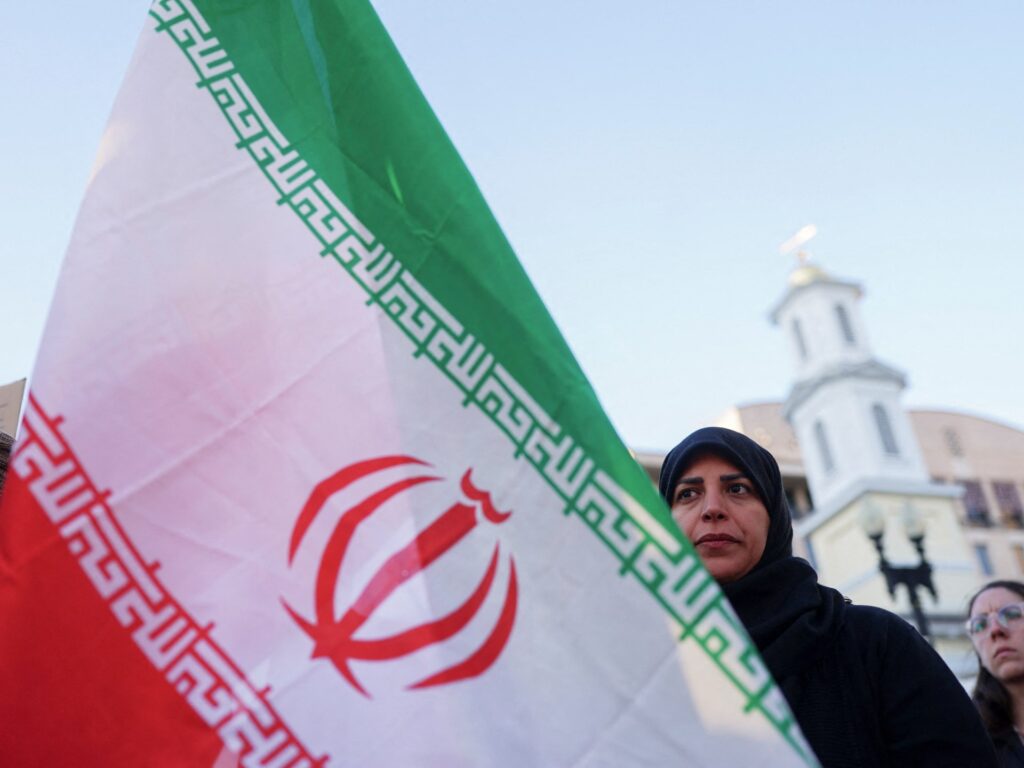
In the intricate dance of diplomacy between Iran and the United States, both nations have publicly claimed victories following their latest engagement, yet beneath these proclamations lies a complex layer of strategic maneuvering with little actual concession. The recent talks, which culminated in simultaneous declarations of progress, have sparked a debate over whether these assertions hint at genuine compromise or merely set the stage for more profound disagreements.
The backdrop to these developments is a series of high-stakes discussions held in Islamabad, where negotiators from both sides are grappling with longstanding issues that have kept relations fraught. Each party’s announcement of success seems to be a diplomatic tactic aimed at maintaining face and reinforcing domestic narratives, rather than reflecting tangible shifts on core demands.
Analysts observe that the so-called concessions made so far appear more nominal than substantive. Iran, for instance, emphasized perceived gains such as recognition of its nuclear program’s civilian nature, while the US highlighted progress on sanctions relief measures. However, neither side has yielded on critical points including verification protocols, missile programs, and regional security arrangements.
The dual claims of victory could in fact cement positions, making upcoming negotiations even more challenging. Both countries seem wary of appearing vulnerable internationally and are likely to use these discussions to solidify internal political support.
This dynamic raises questions about what true progress looks like in conflict resolution where national pride and strategic interests tightly intertwine. Observers note that without concrete concessions that address both security concerns and economic pressures, the potential for a breakthrough remains elusive.
Looking ahead, the talks planned in Islamabad are poised to be pivotal. The unresolved sticking points may catalyze either a breakthrough or a stalemate. Real progress may require both parties to navigate these diplomatic waters with flexibility, acknowledging that victories in such a protracted dispute are seldom absolute.
As Iran and the US continue their complex negotiations, the international community watches closely, hopeful yet cautious about the prospects for a durable resolution that balances mutual interests with regional stability and global security.