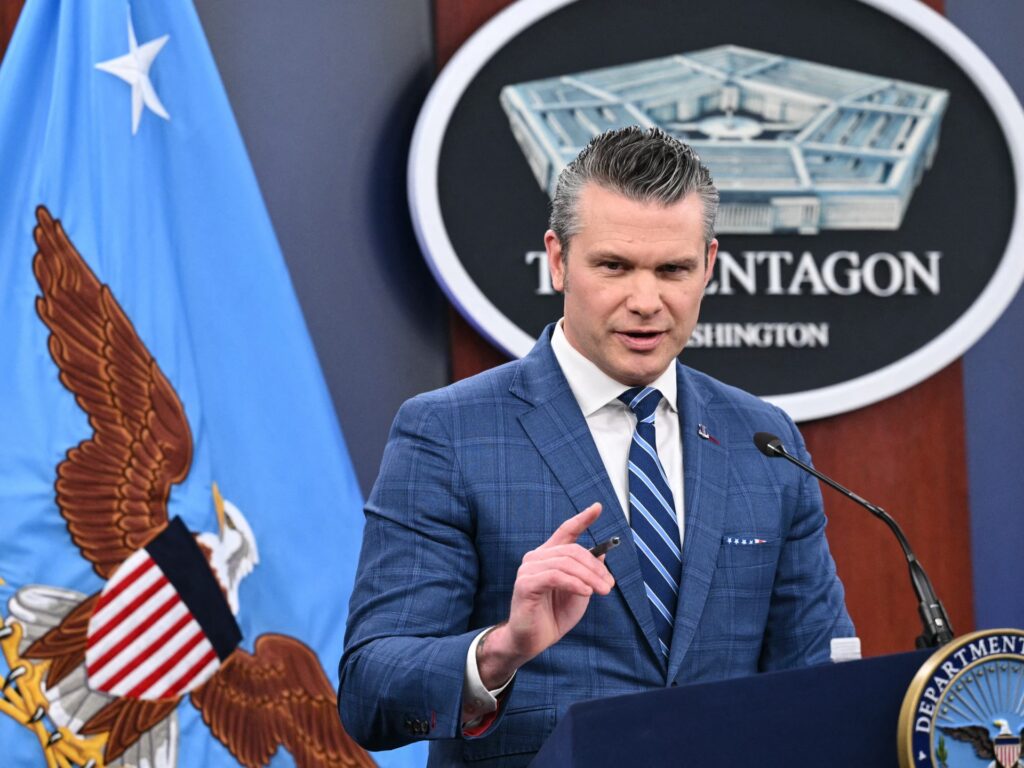
In a striking development, the US defense chief has proclaimed a total military victory over Iran, a bold statement that comes at a time when Tehran is simultaneously celebrating what it terms its own ‘historic’ win. This concurrent declaration of triumphs by both nations highlights the complexity and enduring tensions despite the announcement of a ceasefire.
The US claim of victory underscores a significant moment for American military and political leadership, emphasizing their perception of having achieved their operational objectives. This assertion may resonate with domestic audiences and allies who have been closely monitoring the conflict.
Conversely, Iran’s celebration of a ‘historic’ win reflects its narrative of resilience and strategic success, which it hopes to project both nationally and internationally. Tehran’s victory claim suggests that it views the ceasefire not as a defeat but as a validation of its efforts and regional influence.
Experts note that such contradictory proclamations are not uncommon in conflicts where both sides seek to bolster morale and legitimize their position. The coexistence of these statements indicates a fragile and ambiguous peace, where the underlying issues remain unresolved.
The ceasefire could potentially pave the way for negotiations and a reduction in hostilities, yet the competing narratives imply that any lasting resolution will require careful diplomacy. Both the US and Iran will likely continue to leverage their respective victories in political and strategic arenas moving forward.
For the broader international community, the situation presents challenges in balancing support, encouraging dialogue, and preventing further escalation. Monitoring the evolving dynamics will be crucial in the weeks and months ahead.
As both nations assert their victories, the global audience remains attentive to how these declarations impact future relations, regional stability, and the prospects for peace.