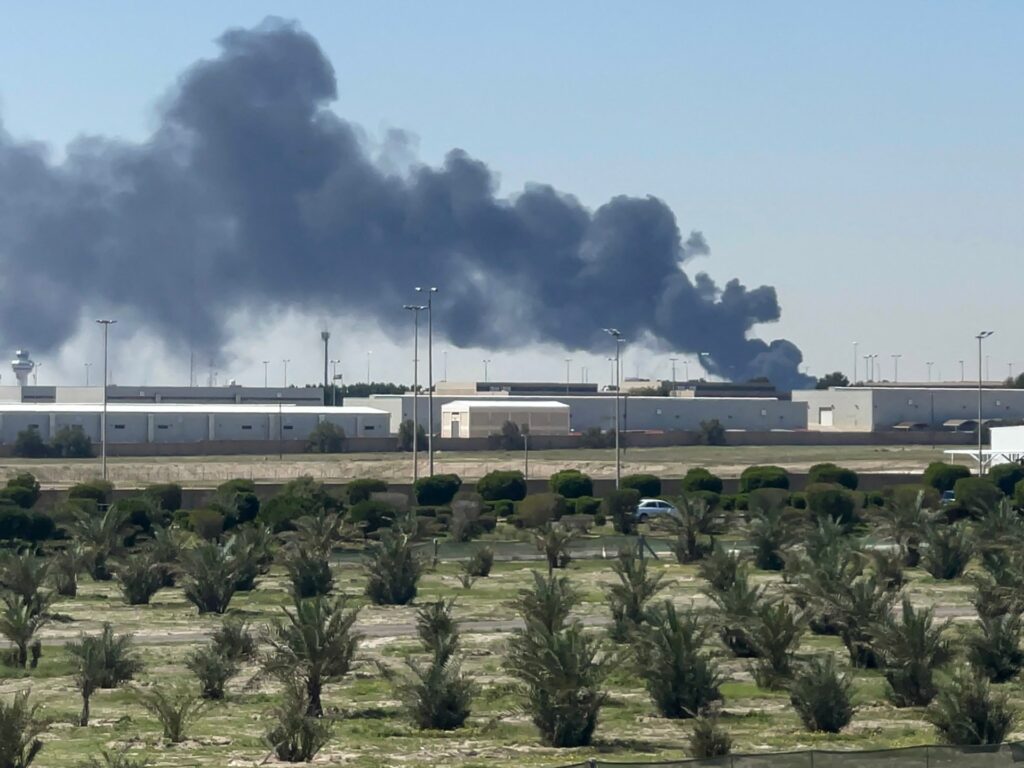
In a surprising turn of events, several Gulf nations including Saudi Arabia, the United Arab Emirates (UAE), Kuwait, and Bahrain have reported a series of attacks shortly after the United States and Iran announced a ceasefire agreement lasting two weeks. This development has cast a shadow over the recently declared ceasefire, raising concerns about the stability and security of the already volatile Gulf region.
The ceasefire between the US and Iran, intended to de-escalate tensions and provide a temporary halt to aggressive confrontations, was announced with hopes of creating a window for diplomatic dialogue. However, the immediate aftermath saw multiple strikes targeting key areas within the aforementioned Gulf countries.
Saudi Arabia, a critical player in the regional geopolitical landscape, reported several missile and drone strikes directed at its southern and eastern provinces. These attacks have led to damages to infrastructure but, according to preliminary reports, there have been no significant casualties. The Saudi government has condemned the violence, stating that such acts undermine efforts for peace and stability.
Similarly, the UAE experienced explosions near its Abu Dhabi and Dubai areas, prompting swift responses from local authorities to secure the safety of residents and assess damage. Kuwaiti officials also confirmed they intercepted projectiles aimed at their territory, highlighting the increased security threats facing the Gulf Cooperation Council (GCC) members.
Bahrain reported an attempted assault on its military installations, which was thwarted by defense forces. The Bahraini government emphasized its commitment to remain vigilant against any threats and actively cooperate with regional allies to maintain peace.
The attacks have raised questions regarding the actors behind these strikes. Though no group has officially claimed responsibility, analysts speculate involvement by proxy organizations aligned with Iran or factions opposed to the ceasefire. These incidents underscore the complex web of alliances and enmities that characterize Middle Eastern geopolitics.
Internationally, the strikes have drawn swift condemnation. The United Nations and various world powers have called for restraint and urged all parties to honor the ceasefire agreement to prevent further destabilization.
The recent escalation highlights the fragile nature of peace efforts in the Gulf. While the Iran-US ceasefire was a step forward in reducing open hostilities, the attacks against Saudi Arabia, UAE, Kuwait, and Bahrain suggest that underlying tensions and regional rivalries remain deeply entrenched.
Security experts warn that without sustained diplomatic engagement and robust conflict resolution mechanisms, such ceasefires may be short-lived. They stress the need for comprehensive strategies that address the root causes of conflict, rather than temporary pauses in violence.
As the Gulf nations heighten their alert levels and bolster defense systems, the international community remains watchful. The coming weeks will be crucial in determining whether the ceasefire can hold or if the region will slide back into broader conflict.
In summary, the attacks across the Gulf region shortly after the announcement of a two-week Iran-US ceasefire have exposed the fragility of peace in this contested area. It remains to be seen how regional powers and international actors respond to these provocations and work towards lasting stability.