In a dramatic and unprecedented military escalation, Israel launched 100 air strikes across Lebanon within a span of just 10 minutes. This rapid barrage marks one of the most intense and swift air campaigns in recent years, signaling a significant shift in regional dynamics.
The operation targeted various locations throughout Lebanon, aiming to disrupt militant infrastructure and capabilities. Although specific details about the targets and the extent of the damage have not been fully disclosed, the scale and speed of the strikes underscore Israel’s determination to assert control and respond forcefully to perceived threats.
This wave of air strikes comes amid heightened tensions between Israel and Lebanon, influenced by various political, military, and security issues. Lebanese authorities have condemned the strikes, describing them as aggressive violations of sovereignty.
The international community has expressed concern over the rapid escalation, urging restraint and dialogue to prevent further destabilization. This development is likely to impact geopolitical relations in the Middle East, potentially influencing future diplomatic and security strategies.
Analysts note that the capability to conduct such a large number of strikes in a short period demonstrates significant advancements in Israel’s military technology and readiness. It also raises questions about the potential for retaliation and the wider implications for regional security.
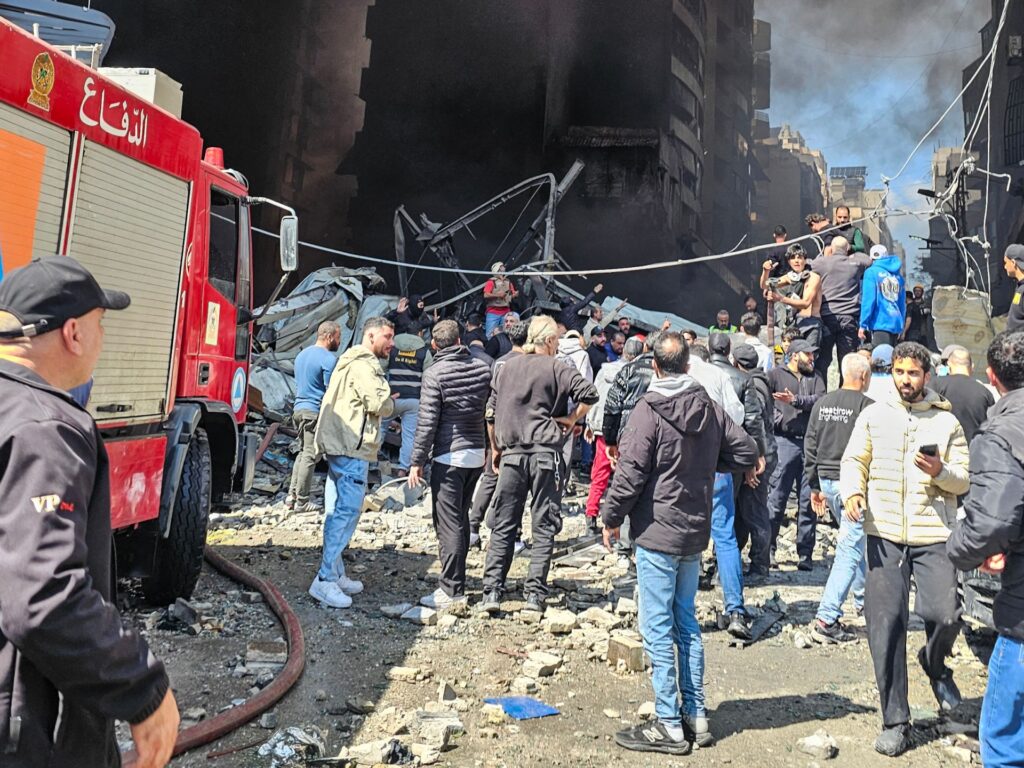
Residents in targeted areas reported explosions and air raid sirens, highlighting the immediate human impact of the strikes. Emergency services in Lebanon have been mobilized to respond to casualties and to manage the aftermath.
This unprecedented air campaign by Israel reflects the complexities and volatility of the ongoing conflict in the Middle East, signaling that the region remains a flashpoint for military confrontations and geopolitical tensions.