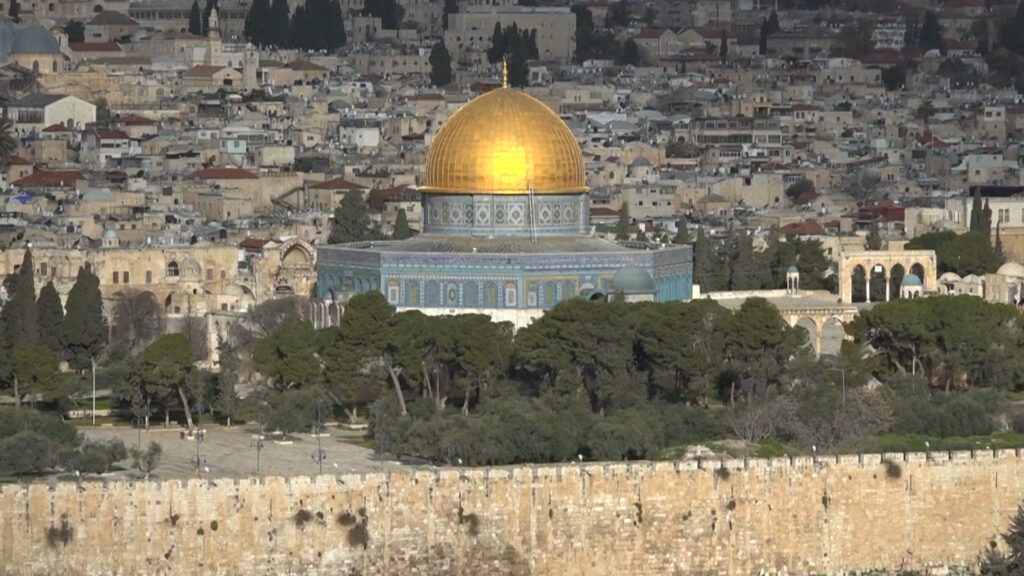
The Al-Aqsa Mosque, one of the most significant religious sites for Muslims, has been closed to Muslim worshippers for over a month, triggering widespread condemnation and concerns over religious freedom. The closure, carried out under Israeli authorities, has been described by various groups as “selective” and “discriminatory,” raising serious questions about the measures’ intentions and impacts.
Al-Aqsa Mosque, located in East Jerusalem, is a site of profound spiritual importance and has frequently been at the center of tensions between Israelis and Palestinians. The month-long closure has prevented Muslim worshippers from accessing the mosque, a situation that has ramped up fears and frustration among the Palestinian community and Muslim worshippers worldwide.
Critics argue that the closure unfairly targets Muslims while allowing other religious groups access to their sites, thus underscoring the “selective” nature of the decision. The Israeli government has cited security concerns as the primary reason for the closure, but human rights organizations and community leaders contest the justification, fearing that it exacerbates religious discrimination and inflames existing conflicts.
This action has not only impeded the exercise of religious rights but has also had broader implications for the already fragile peace prospects in the region. The move is seen as aggravating tensions in Jerusalem, a city sacred to Judaism, Islam, and Christianity alike.
International observers and religious figures have called for the reopening of the Al-Aqsa Mosque to all Muslim worshippers to restore calm and respect for religious freedoms. Many emphasize that inclusive access to holy sites is crucial for peace and coexistence in the region.
The controversy extends beyond the closure itself to the broader context of Israeli policies towards Palestinians and Muslim holy sites. Observers note that policies perceived as discriminatory can fuel resentment and undermine efforts toward mutual understanding and reconciliation.
As the closure enters its second month, the need for dialogue and diplomatic solutions grows more urgent. Various stakeholders including international organizations, religious leaders, and government officials are urged to engage constructively to find a resolution that respects the rights of all communities.
The Al-Aqsa Mosque closure is a stark reminder of the delicate balance required to maintain religious harmony in a region with a complex and often contentious history. Ensuring equal and non-discriminatory access to such revered sites remains a key challenge—and an essential step—toward long-lasting peace and mutual respect in Jerusalem and beyond.