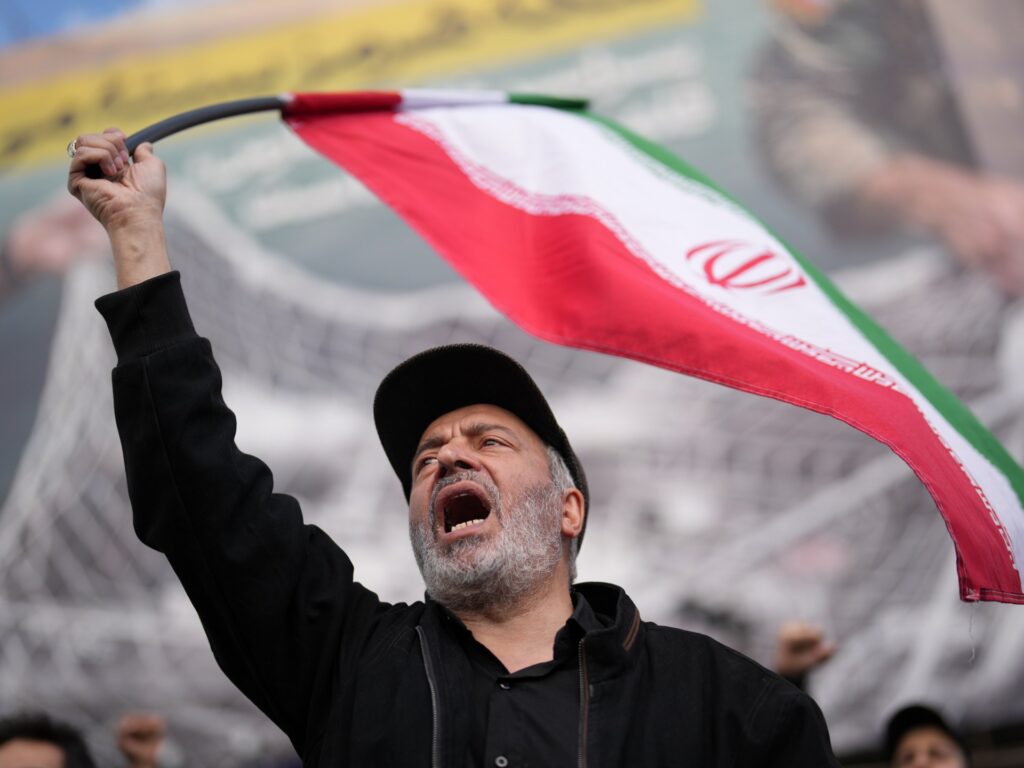
In a significant development, countries across the Gulf and the broader Middle East have reacted positively to the announcement of a temporary ceasefire between Iran and the United States. The truce marks a crucial step towards de-escalation in a region long fraught with tensions and conflict.
Leaders and officials from various nations in the region have expressed their support for the ceasefire, viewing it as an important opportunity to reduce hostilities and stabilize the geopolitical landscape. The announcement has been met with cautious optimism, with many emphasizing that while the temporary agreement is a welcome relief, it is only the first step towards lasting peace.
Prominent Gulf countries, including Saudi Arabia, the United Arab Emirates, and Qatar, have officially welcomed the ceasefire. Their statements often highlighted the need for continued dialogue and negotiations aimed at reaching a permanent resolution to the conflict. These nations have underscored the importance of collaborative efforts to ensure that the peace process is sustained and effective.
Regional organizations have also called for increased diplomatic engagement. The Gulf Cooperation Council (GCC) encouraged all involved parties to take advantage of the ceasefire to pursue comprehensive talks addressing the underlying causes of the ongoing hostilities. The GCC’s support signals a broader regional consensus on the need for a diplomatic solution.
Iran and the United States, the primary parties to the ceasefire, have shown willingness to engage in further negotiations, raising hopes that this temporary truce could lead to a more enduring settlement. The announcement comes after years of escalating tensions, economic sanctions, and military confrontations that have deeply affected regional stability.
International observers have noted that the ceasefire could pave the way for renewed discussions on nuclear agreements, regional security arrangements, and economic cooperation. The global community, including the United Nations, has welcomed the development as an encouraging step towards peace in a historically volatile area.
Despite the positive reactions, stakeholders remain cautious, recognizing that the path ahead involves complex negotiations and trust-building measures. The temporary ceasefire is seen as an essential confidence-building step but requires genuine commitment from all parties to avoid relapse into conflict.
In the coming weeks, diplomatic efforts are expected to intensify, with calls for multilateral talks involving key regional and international players. The consensus among Gulf and Middle Eastern nations is clear: the ceasefire is a hopeful opportunity for peace that must be seized to bring a permanent end to the war and foster stability throughout the region.