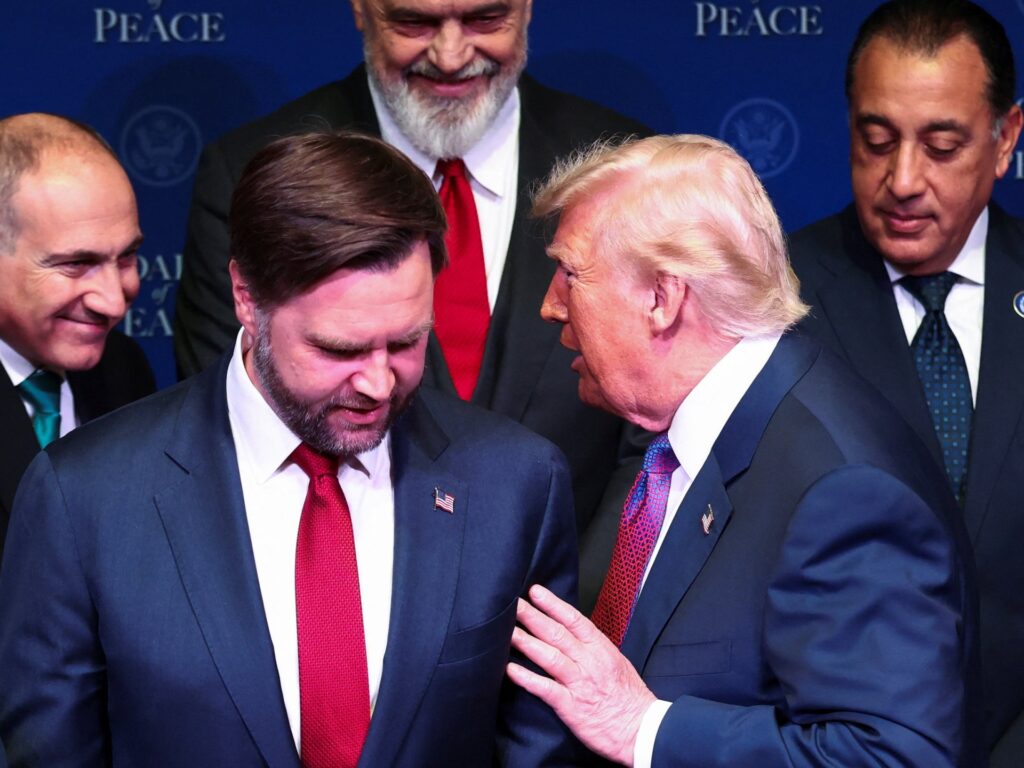
In a significant development within the complex web of international diplomacy, JD Vance, an American political figure, has joined Pakistan’s last-ditch efforts to mediate between the United States and Iran. This move comes amid escalating tensions and an urgent need for dialogue to prevent further conflict and foster some form of understanding between the two nations.
Pakistan has emerged as a crucial mediator in the delicate negotiations, leveraging its unique position and historical diplomatic relations with both the US and Iran. The country’s involvement signals a rare but earnest effort to bridge a gap that has long seemed insurmountable.
The mediation initiative aims to facilitate indirect engagement, where the US Vice President plays a pivotal role. Rather than direct talks, these backchannel negotiations hope to create a platform of communication that might ease hostilities and pave the way for broader discussions in the future.
JD Vance’s participation adds a layer of political and strategic expertise that is deemed vital in managing this sensitive dialogue. Known for his political acumen and understanding of international relations, Vance is expected to contribute to crafting approaches that are pragmatic and conducive to achieving peaceful outcomes.
The urgency of the mediation efforts cannot be overstated, as tensions between the US and Iran have escalated due to multiple geopolitical flashpoints, including sanctions, nuclear ambitions, and regional power struggles. Any breakthrough would potentially influence not only bilateral relations but also the stability of the broader Middle Eastern region.
Pakistan’s role as a mediator underscores its diplomatic aspirations and regional influence. By facilitating these backchannel talks, it hopes to demonstrate its commitment to peace and its capability to act as a bridge in international conflicts.
Iran’s openness to engage through indirect talks with the Vice President of the United States represents a nuanced shift in its diplomatic posture, signaling a willingness to explore dialogue channels even under strained circumstances.
As these backchannel discussions gain pace, the international community watches closely, aware that this effort could either mark the beginning of a new chapter in US-Iran relations or highlight the enduring challenges of diplomacy in a polarized world.
The success of these talks will depend on numerous factors, including trust-building, concessions, and the ability of all parties to prioritize long-term peace over immediate political gains. JD Vance’s involvement is seen as a strategic asset in navigating these complexities.
In conclusion, the collaboration between JD Vance and Pakistan’s diplomatic machinery in mediating US-Iran tensions through indirect engagement is a noteworthy attempt to address one of the most contentious international issues of the day. The outcomes of these efforts will likely resonate far beyond the immediate stakeholders, affecting geopolitical dynamics globally.