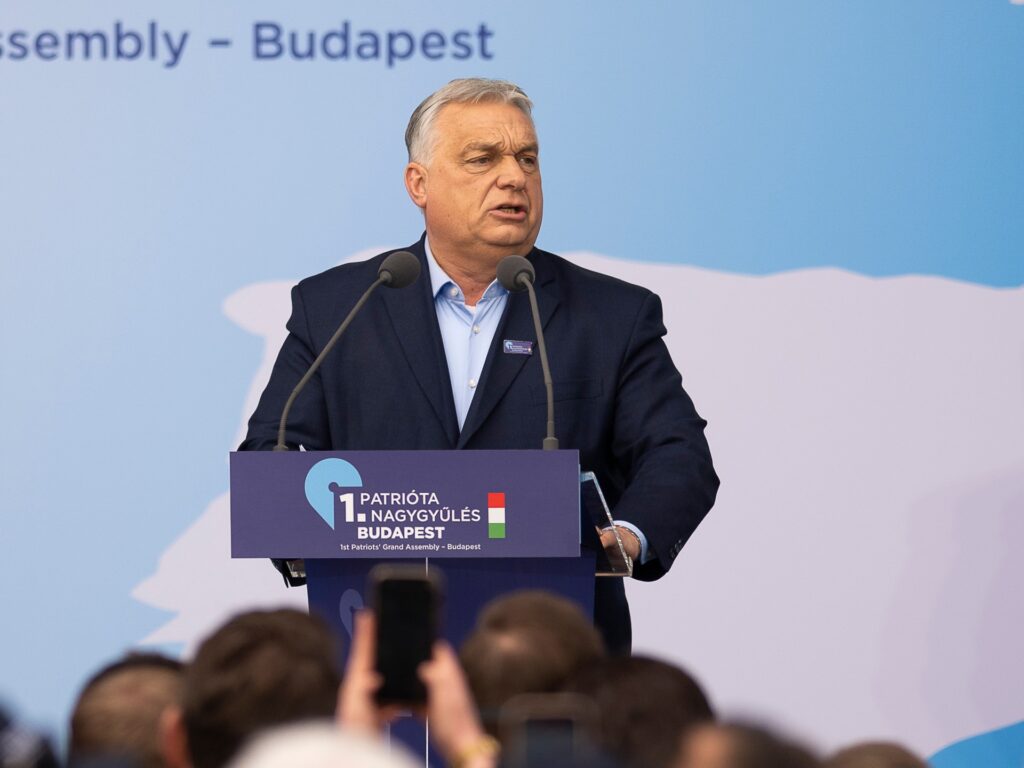
US Vice President Vance has embarked on a significant visit to Budapest, aiming to reinforce support for Hungarian Prime Minister Viktor Orban ahead of a pivotal election scheduled for Sunday. This diplomatic move is underscored by the distinctive alignment between the US and Hungary’s far-right political spectrums, highlighting the strategic importance of Orban’s position in the region.
Orban, a controversial figure known for his nationalist policies and consolidation of power, faces his most challenging electoral contest yet. The opposition has gained momentum, presenting a unified front that could potentially disrupt Orban’s long-standing dominance in Hungarian politics.
Vance’s visit signifies Washington’s interest in maintaining strong ties with Hungary, despite the contentious political climate and international criticism of Orban’s governance style. The US administration appears keen to secure an ally in Central Europe who shares a commitment to right-wing policies, particularly in the face of geopolitical tensions involving Russia and the European Union.
During the visit, Vance is expected to meet with Orban to discuss bilateral relations, economic cooperation, and regional security concerns. The timing of the trip is strategically planned to provide moral and political backing to Orban, reinforcing his image as a stable and reliable partner.
Observers note that the US-Hungary far-right alignment extends beyond symbolic gestures; it encompasses shared views on immigration, sovereignty, and resistance to supranational entities. This alignment could influence Hungary’s future policy directions and its role within the EU.
The Budapest trip also raises questions about the broader implications for transatlantic relations, as the US navigates complex dynamics with European allies. Supporting Orban may strain relations with other EU countries critical of his policies, yet it underscores a pragmatic approach to safeguarding strategic interests in the region.
As Sunday’s vote approaches, the political atmosphere in Hungary is tense. Campaign efforts have intensified, with parties mobilizing grassroots support and deploying sophisticated media strategies. The outcome will not only determine Orban’s political fate but also signal the trajectory of Hungary’s domestic and foreign policies.
Vance’s engagement highlights the intersection of domestic electoral politics and international diplomacy. It reflects how internal political contests can have wider geopolitical repercussions, impacting alliances and regional stability.
Ultimately, the success of Vance’s mission will depend on Orban’s ability to rally his base amid growing opposition and to present a compelling vision for Hungary’s future. The visit underscores the delicate balance of supporting democratic processes while advancing strategic geopolitical interests in a complex and rapidly shifting global landscape.